
Beautiful Plants For Your Interior
Beautiful Plants For Your Interior
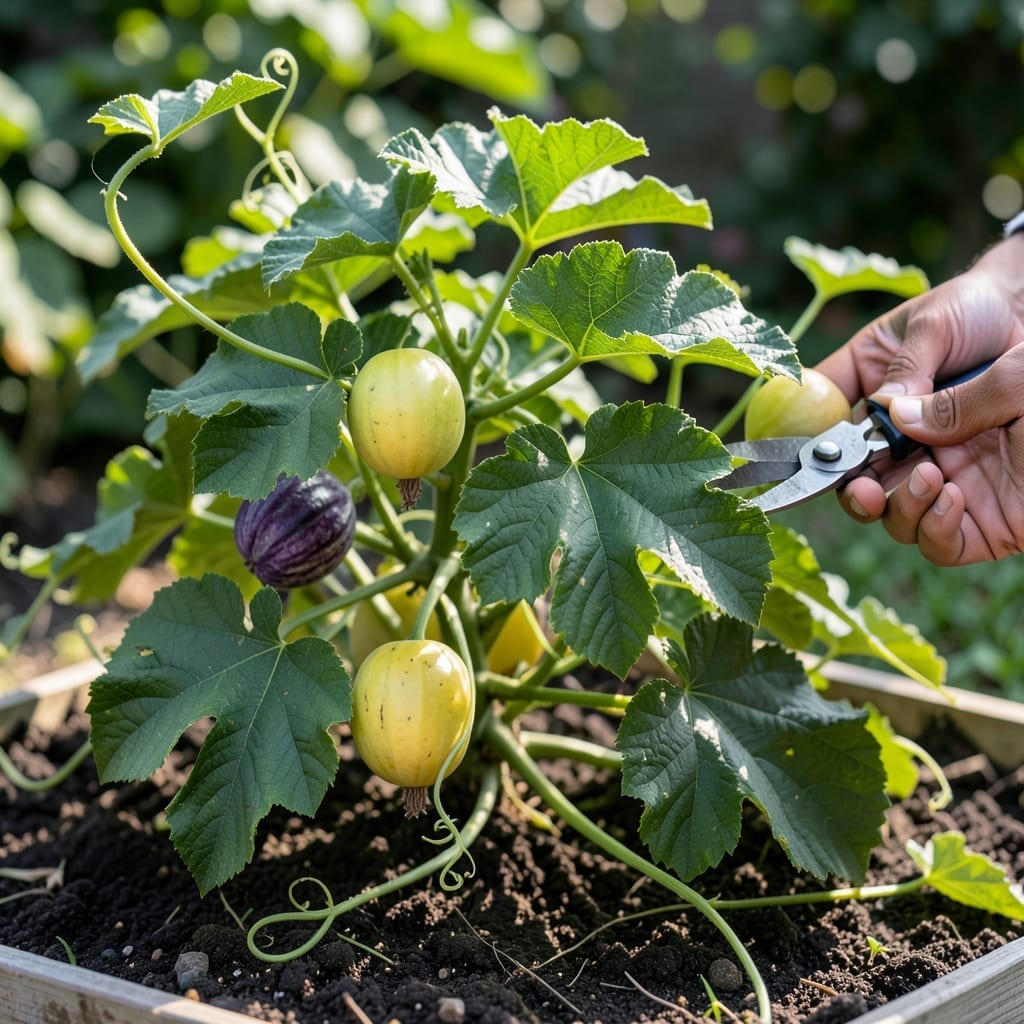
Picking a perfectly ripe 🧡 Passion Fruit can be tricky, as its tough exterior hides the sweet, tangy treasure inside. I’ve wasted too many good fruits by guessing wrong.
What if you could learn how to spot the perfect moment every time? The secret lies in a few simple signs you might be overlooking.
From color changes to subtle texture shifts, I’ll show you exactly what to look for. No more guessing games—just perfectly ripe fruit, every time.


I’ve found that color is the first clue when checking passion fruit ripeness. For purple varieties, look for deep, rich hues replacing the green. It’s a clear sign the fruit is nearing its peak.
With yellow passion fruit, the skin shifts from pale green to a vibrant, golden tone. This transformation is your visual cue that the fruit is ready to be picked.
| Sign | Purple Variety | Yellow Variety |
|---|---|---|
| Color Change | Deep purple skin | Golden yellow skin |
| Wrinkling | Slight wrinkles appear | Smooth with slight dimples |
| Texture | Slightly soft to touch | Firm but yields gently |
Another key indicator is skin wrinkling. As passion fruits ripen, their once-smooth surface develops fine wrinkles. This doesn’t mean it’s overripe—it’s actually a sign of peak sweetness.
I always check the stem area too. When the stem dries out and turns brown, it’s a strong signal that the fruit has reached maturity. This works for both purple and yellow types.
The fruit’s weight can also give clues. A ripe passion fruit feels heavier for its size, indicating juicy pulp inside. Compare it to unripe fruits on the same vine to notice the difference.
Don’t overlook the aroma. Ripe passion fruits emit a sweet, tropical scent that’s hard to miss. If you can’t smell anything, it’s likely not ready yet.
For yellow varieties, I watch for a slight give when pressed. Unlike purple passion fruits, yellow ones may not wrinkle as much but will still soften slightly when ripe.
Remember, size alone isn’t reliable. Some large fruits might still be unripe, while smaller ones could be perfectly ready. Always combine multiple signs for the most accurate judgment.
In my garden, I’ve noticed that fruits falling naturally from the vine are often at peak ripeness. This is nature’s way of telling you it’s time to harvest.
By paying attention to these visual cues, you’ll never have to guess about passion fruit ripeness again. It’s all about observing the subtle changes that signal perfect readiness.
🌿I always start with the gentle squeeze test. A ripe passion fruit yields slightly under light pressure, but don’t press too hard or you’ll bruise it. Think of it like testing an avocado’s ripeness.
The weight comparison method works wonders too. Hold an unripe fruit in one hand and a suspect one in the other. The heavier fruit is usually the ripe one, packed with juicy pulp.
Don’t forget the stem inspection. A ripe passion fruit often has a dried, shrivelled stem. This is a surefire sign that the fruit has finished growing and is ready to harvest.
I’ve found the shake test surprisingly effective. Hold the fruit to your ear and shake gently. In ripe fruits, you’ll hear the seeds rattling inside, which means they’ve separated from the pulp.
For yellow varieties, the skin might not wrinkle as much as purple ones, but it will still develop a slightly leathery texture when ripe. This texture change is subtle but noticeable.
Remember that consistency matters. A ripe passion fruit should feel uniformly soft all over, not just in one spot. If it’s soft in some areas and hard in others, it’s not quite ready.
🌿