
Beautiful Plants For Your Interior
Beautiful Plants For Your Interior
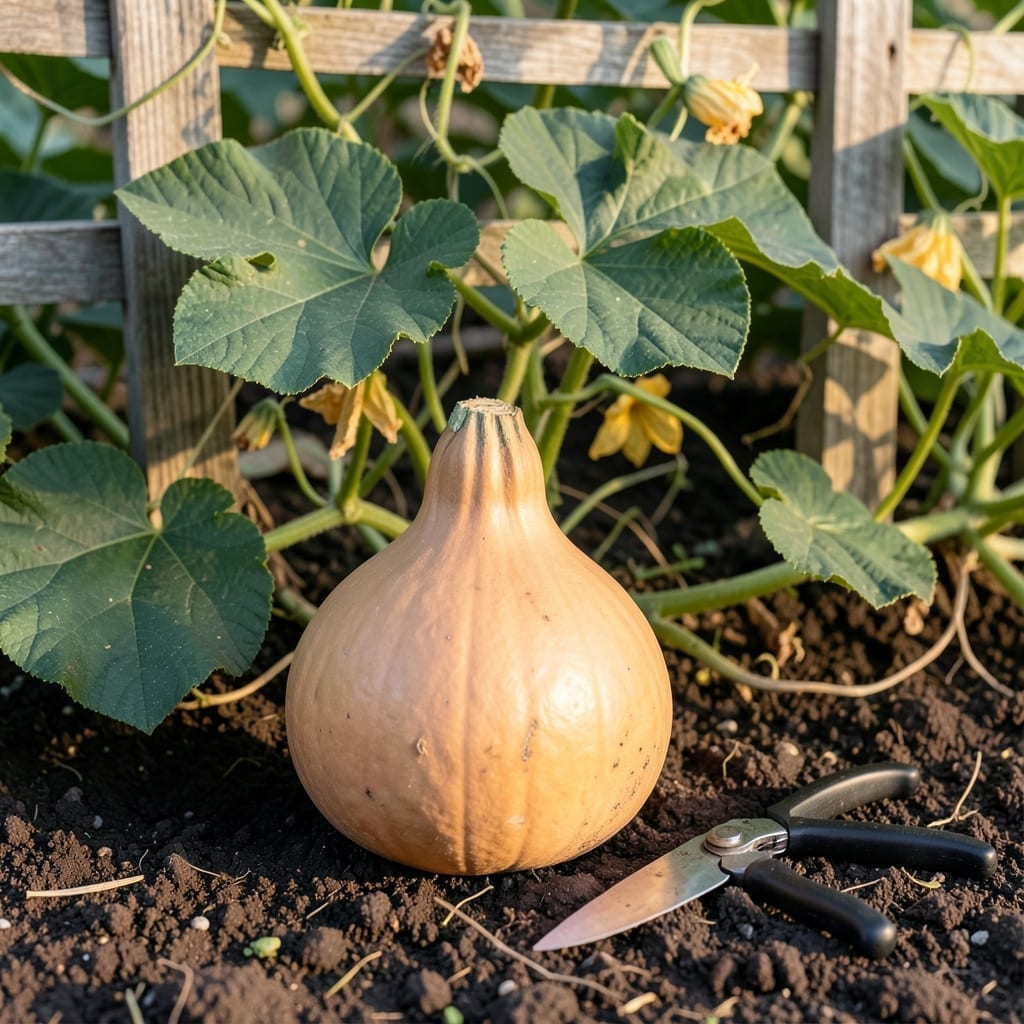
Nothing beats the satisfaction of harvesting a perfectly ripe 🎃 Butternut Squash from your garden, but timing is everything. Pick too early, and it’ll lack sweetness; wait too long, and it may rot on the vine.
I’ve learned the hard way that missing the right moment can turn months of care into a disappointing harvest. The good news? There are clear signs to watch for.
Discover the simple visual and tactile cues that guarantee your Butternut Squash is ready for the table. Let’s make this your most successful harvest yet.
Knowing when to harvest your butternut squash ensures the best flavor and longest storage life. I’ve found that waiting for the right signs makes all the difference.
Here’s what I look for: a deep tan color, a hard rind, and a dry stem. These are the most reliable indicators of ripeness. ☀️
A deep tan skin with no green patches means it’s ready for harvest.
Press your thumbnail into the skin. If it resists piercing, it’s ripe.
The stem should be brown and woody, not green or moist.
Vines begin to wither and brown as the squash reaches maturity.
A dull skin (not shiny) indicates the squash has stopped growing.
I always check the rind hardness first. If my thumbnail leaves a mark, I know it needs more time on the vine.
The stem condition is another giveaway. A green stem usually means it’s not ready, while a dry, brown stem signals maturity.
Don’t overlook the vines. When they start to die back, it’s a strong sign that your butternut squash is nearing ripeness. 🌱
I’ve noticed that color uniformity is key. A squash with green patches isn’t fully ripe, even if other signs seem positive.
Finally, listen for a hollow sound when you tap the squash. This is a less common but reliable method I use for confirmation.
By combining these five signs, I’ve never harvested an unripe butternut squash again. It’s all about patience and observation. 🌿
Even experienced gardeners sometimes misjudge butternut squash ripeness. I’ve made my share of mistakes, but learning from them has improved my harvests significantly.
One common error is harvesting based on size alone. A large squash doesn’t always mean it’s ripe, and a smaller one might be perfectly mature. ☀️
⚠️ Avoid These Ripeness Mistakes
Harvesting based on size only can lead to unripe squash. Always check rind hardness and stem condition too.
Ignoring the vines’ condition might mean missing the optimal harvest window.
Cutting squash too early from the vine can reduce its storage life and flavor development.
Another pitfall is ignoring the stem condition. A green stem means the squash isn’t ready, even if the skin looks ripe. I always check this first.
I’ve also learned not to rely on color alone. Some varieties may develop a tan color early, but the rind might still be soft. The thumbnail test is more reliable.
Timing matters too. Harvesting during wet weather can introduce moisture that leads to rot. I wait for a dry day to pick my squash.
Finally, don’t overlook the vines. If they’re still lush and green, your squash likely needs more time. When they start to die back, it’s a strong signal. 🌱
By avoiding these mistakes, I’ve ensured my butternut squash is always at its peak ripeness when harvested. It’s all about patience and attention to detail. 🌿