
Beautiful Plants For Your Interior
Beautiful Plants For Your Interior
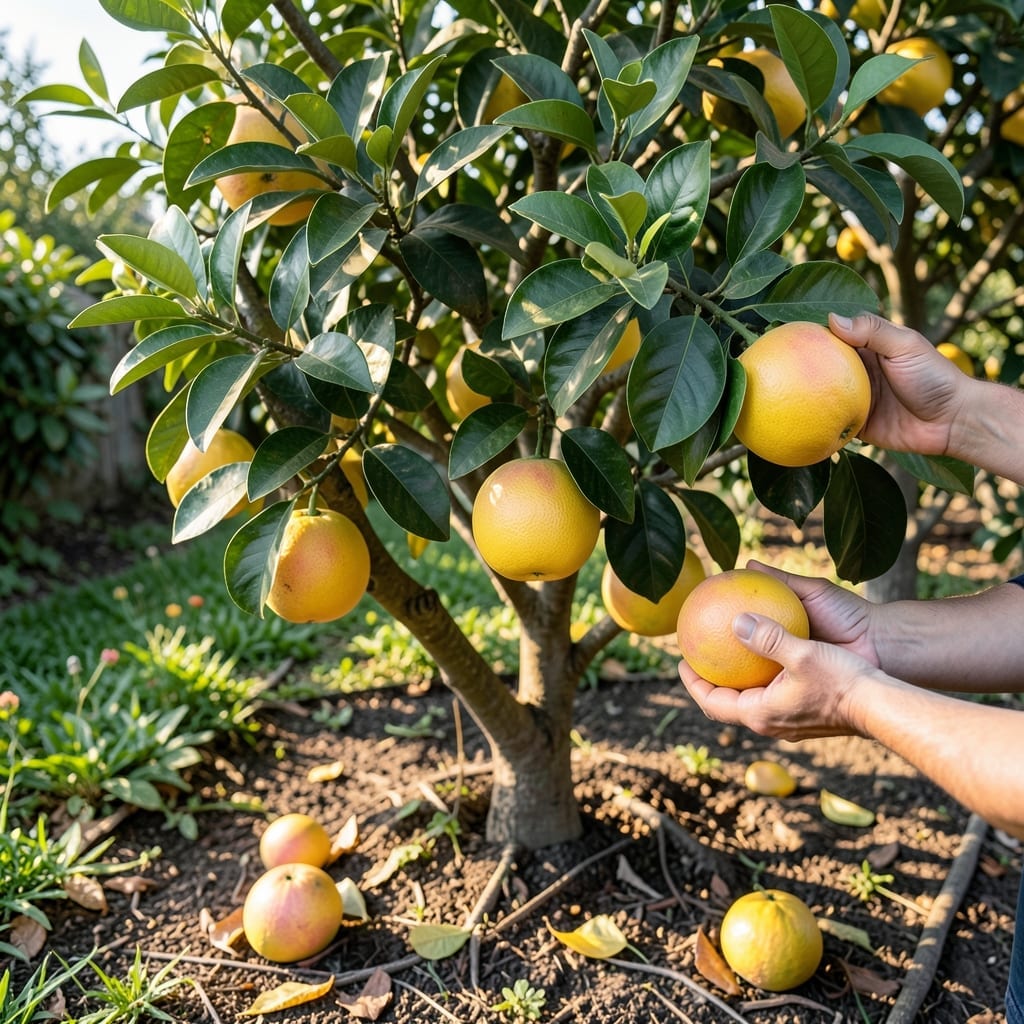
Picking a perfectly ripe Grapefruit 🍊 can feel like a mystery. Unlike bananas or avocados, they don’t ripen after picking, so knowing the right signs is crucial.
I’ve learned that color and texture reveal everything. A vibrant hue and slight give when squeezed mean it’s ready for that sweet, juicy burst.
Discover the simple cues to spot ripeness every time, whether you’re harvesting from your tree or selecting one at the store.
Knowing when your grapefruit is ripe makes all the difference in flavor. Since they don’t ripen off the tree, you’ll need to rely on visual and tactile cues. I always start by checking the color and skin texture first.
A fully ripe grapefruit will have a vibrant yellow or pink-red hue, depending on the variety. For example, Ruby Red grapefruits turn a deep pink, while White Marsh varieties shift from green to pale yellow. The skin should also feel slightly rough but smooth in spots. 🌿
| Variety | Ripe Color | Texture |
|---|---|---|
| Ruby Red | Deep pink-red | Slightly bumpy |
| Pink | Pale to bright pink | Smooth with faint ridges |
| White Marsh | Golden yellow | Thin, taut skin |
Next, gently squeeze the fruit. A ripe grapefruit will have a slight give, like a firm tomato. If it’s rock hard, it’s not ready. If it’s too soft, it may be overripe. The weight matters too—ripe grapefruits feel heavy for their size because of the juice content.
Don’t forget the stem end. This is the spot opposite the blossom end, and it often changes color first. In ripe fruit, this area turns a rich yellow or orange shade. If it’s still green, the fruit isn’t ready yet. This is one of the most reliable signs I’ve found. 🌱
The aroma is another great indicator. A ripe grapefruit will emit a sweet citrus scent. If you hold it close to your nose and smell nothing, it’s likely underripe. Overripe fruit may have a fermented odor, which is a sign to avoid it.
For homegrown grapefruits, timing is key. Most varieties ripen between October and May, depending on your USDA zone. In Zone 9-11, where grapefruits thrive, the harvest window can be longer. I always mark my calendar for late fall to early spring to check my trees.
If you’re picking from your own tree, look for fruits that are fully colored and have reached their mature size. Grapefruits typically take 7-12 months to ripen from flower to harvest, so patience is essential. A heavy fruit that’s easy to twist off the branch is usually ready. ✂️
For store-bought grapefruits, avoid those with green patches or dull skin. These are signs of immaturity. Instead, choose fruits with a bright, even color and a glossy finish. The gloss often indicates freshness and proper ripening.
Finally, consider the season. Grapefruits are at their peak from winter to early spring. During this time, you’re more likely to find ripe, flavorful options. If you’re growing your own, regular watering and full sun exposure will help ensure a bountiful, ripe harvest. 🌳
Even experienced gardeners can misjudge grapefruit ripeness by focusing on the wrong cues. I’ve seen many people assume size alone means readiness, but a large fruit can still be underripe. 🌿
Ignoring the stem end is another common error. This area often ripens first, turning yellow or orange when ready. If it’s still green, the fruit needs more time on the tree.
⚠️ Avoid These Ripeness Mistakes
Don’t judge by size alone—big fruits can still be green inside. Never squeeze too hard, as this can bruise the fruit. Always check the stem end color and aroma for true ripeness.
Some gardeners squeeze too hard, thinking extreme softness means ripeness. But over-squeezing can bruise the fruit and lead to spoilage. A gentle press is all you need to feel the slight give. ☀️
Another mistake is relying solely on skin color without considering the variety. A White Marsh may look ripe at pale yellow, while a Ruby Red needs a deep pink hue. Know your grapefruit type for accurate assessment.
Many overlook the fruit’s weight. A ripe grapefruit feels heavy for its size due to juice content. If it feels light, it’s likely dry or underripe. This simple check can save you from disappointment.
Lastly, don’t ignore the seasonal timing. Grapefruits ripen from October to May. Picking outside this window often results in underripe fruit, no matter how good it looks. 🌱