
Beautiful Plants For Your Interior
Beautiful Plants For Your Interior
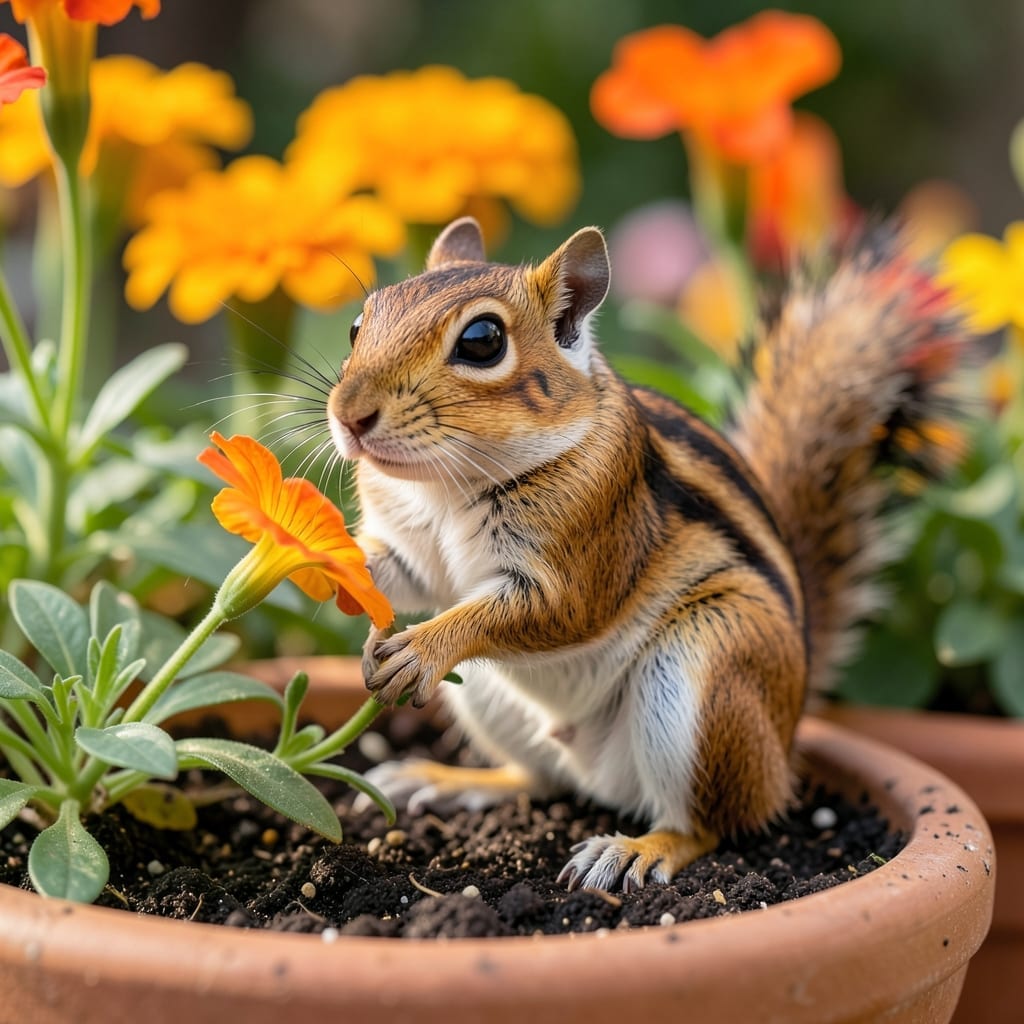
Those little bandits turned my prized geraniums into their personal buffet. 🌱 I tried everything until I found the foolproof combo that keeps chipmunks out without harming them or my plants.
The solution isn’t fancy—it’s about outsmarting them. Natural repellents like cayenne pepper or predator urine work for a while, but physical barriers are the real game-changers. A layer of chicken wire beneath the soil stops digging in its tracks.
You’ll wake up to intact pots and thriving blooms instead of uprooted chaos. The methods are humane, eco-friendly, and won’t break the bank. Plus, they actually last through the season.
Works for patio containers, balcony gardens, or any spot where chipmunks think they’ve found an all-you-can-eat salad bar. Here’s what saves your flowers.
Chipmunks are drawn to flower pots for a few key reasons, all tied to their natural instincts and survival needs. Understanding these causes can help you address the issue more effectively.
Chipmunks are opportunistic foragers, and potted plants often contain rich, loose soil teeming with insects, grubs, and even seeds. These small mammals dig to uncover food, treating your flower pots like a buffet. Freshly planted pots are especially vulnerable, as the disturbed soil signals an easy meal.
Flower pots provide a cozy, protected space for chipmunks to burrow or stash food. The confined area mimics their natural underground tunnels, offering safety from predators and harsh weather. Pots with drainage holes are particularly appealing, as they allow chipmunks to create hidden entrances.
Chipmunks need water to survive, and the moist soil in flower pots can serve as a hydration source. If your garden lacks other water options, they’ll dig into pots to access damp earth. Overwatered plants or pots without proper drainage can unintentionally attract them.
Some chipmunks nibble on plant roots, bulbs, or seeds in pots, especially if other food is scarce. Young seedlings and tender roots are easy targets, and once they start, they’ll return for more.
Chipmunks can be persistent, but these targeted fixes will help you reclaim your flower pots without harming the critters. Address the root causes with these practical, easy-to-follow solutions.
Chipmunks dig into pots for seeds, bulbs, or fallen petals. Fix it: Clear debris and uneaten seeds daily. Switch to chipmunk-resistant plants like daffodils, alliums, or marigolds—their strong scents deter digging. Store birdseed and pet food indoors.
Prevent access with lightweight, breathable materials. Fix it: Lay chicken wire or hardware cloth (¼-inch mesh) over the soil, securing it with garden staples. For a cleaner look, use pebble mulch—chipmunks dislike the instability. Elevate pots on plant stands or hanging hooks to limit ground access.
Strong smells and tastes discourage digging. Fix it: Sprinkle cayenne pepper or crushed red pepper flakes on the soil (reapply after rain). Soak cotton balls in peppermint oil and tuck them into pots. Alternatively, plant garlic or mint nearby—their aromas act as a deterrent.
Try planting daffodils, alliums, or marigolds near pots. Their strong scents deter digging. Mint and garlic also work well as natural repellents.
Lay ¼-inch mesh chicken wire over soil and secure it. Alternatively, cover the surface with pebble mulch—chipmunks dislike the instability.
Yes, sprinkling cayenne pepper or crushed red pepper flakes on soil can deter them. Reapply after rain or watering for best results.
Use plant stands or hanging hooks to keep pots off the ground. This limits their access and reduces digging opportunities.