
Beautiful Plants For Your Interior
Beautiful Plants For Your Interior
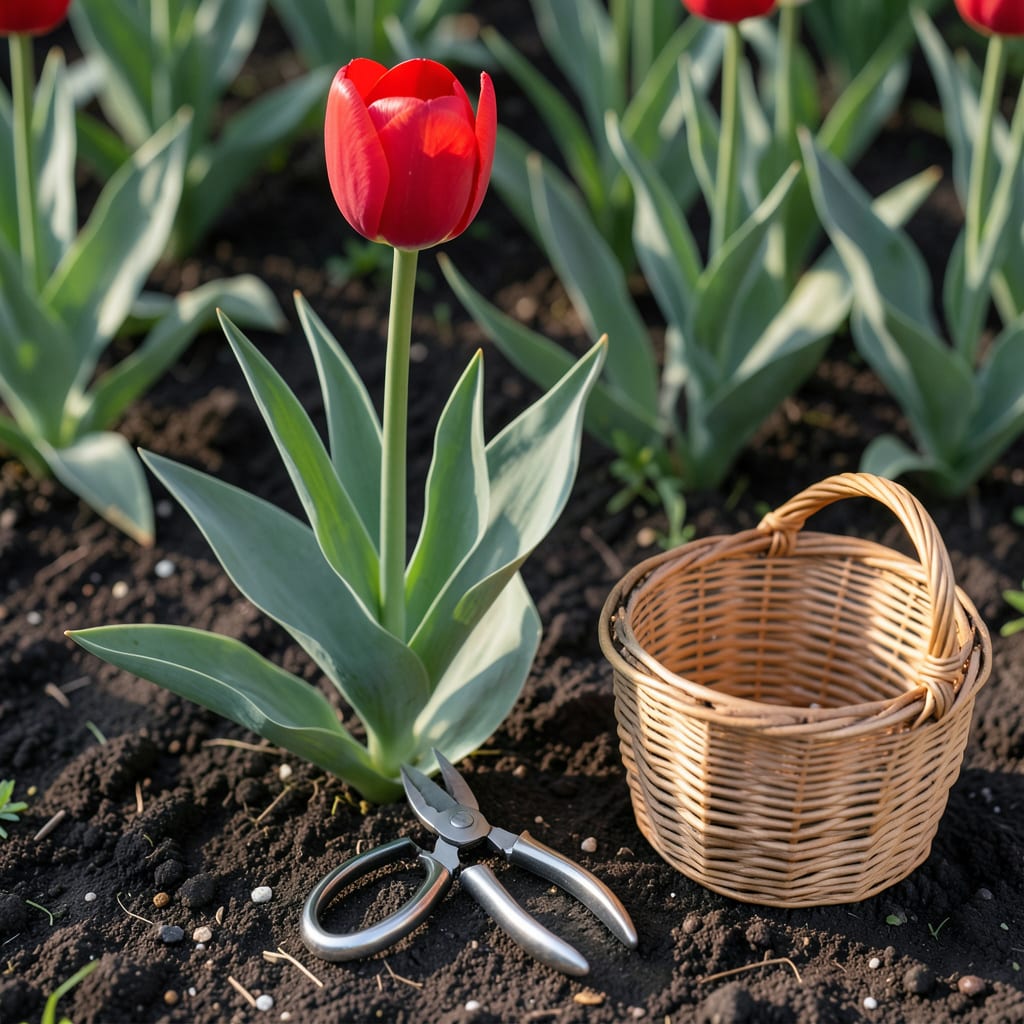
There’s nothing quite like bringing the beauty of 🌷 Tulips indoors. But did you know that harvesting them at the wrong time can ruin next year’s blooms?
I’ll show you the best techniques to cut Tulips for longer-lasting arrangements while keeping your bulbs healthy for future seasons. Let’s get started.


Timing is everything when harvesting tulips for the longest vase life and healthiest bulb regrowth. I always watch for colored buds that haven’t opened yet—this is the sweet spot.
Early morning is ideal, as stems are most turgid after overnight hydration. Avoid harvesting in midday heat, which can stress the plant and shorten bloom life.
| Harvest Stage | Action |
|---|---|
| Bud Shows Color | Ready to harvest |
| Stem Firm & Upright | Ideal cutting time |
| Bud Just Opening | Last chance for vase |
| Full Bloom | Too late for cutting |
Weather plays a role too. I avoid harvesting tulips on rainy days, as wet stems can rot in storage. Instead, pick on dry, cool mornings for best results.
Early-season tulips often mature faster than late varieties, so monitor Darwin hybrids and fosteriana types closely. These can go from bud to bloom in just 2-3 days.
For cut flower arrangements, I harvest when the bud is just cracking open. This ensures the bloom will fully open indoors while lasting 5-7 days in water.
If you’re harvesting for bulb health, leave at least 2-3 leaves on the plant. These photosynthesize to feed the bulb for next year’s growth.
Temperature matters after cutting. I immediately place stems in lukewarm water to prevent shock. Cold water can cause stems to bend or fail to open.
For gardeners in USDA zones 3-8, the harvest window is typically March to May. Watch for local climate cues—early springs may shift this timeline.
Remember, tulips continue growing after cutting. I always recut stems at an angle before arranging to improve water uptake and longevity.
With these timing tips, your tulip harvest will yield beautiful, long-lasting blooms every year 🌷
Proper cutting techniques ensure your tulips thrive next season. I always use sharp bypass pruners to make clean cuts, preventing stem crushing that invites disease.
Before cutting, I check that the bud is colored but not fully open. This stage gives the longest vase life while protecting the bulb’s energy stores.
I avoid using scissors or dull blades, as these can tear stems and create entry points for bacterial infections. Clean cuts heal faster and reduce stress.
For tall varieties like Darwin tulips, I cut 1-2 inches above the base. Shorter types can be harvested closer to the ground while still preserving foliage.
After cutting, I remove any lower leaves that would sit below the waterline in a vase. This prevents bacterial growth that can clog stems and shorten bloom life.
With these careful techniques, your tulip harvest will be bountiful year after year 🌷
Even experienced gardeners can make critical errors when harvesting tulips. I’ve learned the hard way that timing mistakes can ruin both your bouquet and next year’s blooms.
One common blunder is cutting tulips too early when buds are still green. These won’t open properly in a vase and waste the bulb’s energy reserves.
⚠️ Warning: Avoid harvesting tulips in full bloom—they’ll wilt within 1-2 days in water. Always cut when buds show color but remain closed.
Another mistake is using dull tools that crush stems. I always sharpen my bypass pruners before harvest season to ensure clean cuts that heal quickly.
Neglecting to leave foliage is a big no-no. Removing all leaves starves the bulb, leading to weak or no blooms next spring. I always leave at least 2-3 healthy leaves.
Harvesting during rainy weather can cause stem rot. I wait for dry mornings to cut tulips, ensuring stems stay firm and disease-free.
Lastly, placing cut tulips in cold water shocks the stems. I use lukewarm water to help them open beautifully and last longer 🌷
Early morning is ideal when stems are most hydrated after overnight rest. Avoid midday heat, which can stress the plant and shorten bloom life.
No, fully opened blooms will wilt within 1-2 days in water. Always cut when buds show color but remain tightly closed for longest vase life.
Leave at least 2-3 healthy leaves on the plant. These photosynthesize to feed the bulb for next year’s growth. Removing all leaves starves the bulb.
Use sharp bypass pruners for clean cuts. Dull tools or scissors can crush stems, inviting disease. Sterilize with rubbing alcohol between plants.
