
Beautiful Plants For Your Interior
Beautiful Plants For Your Interior
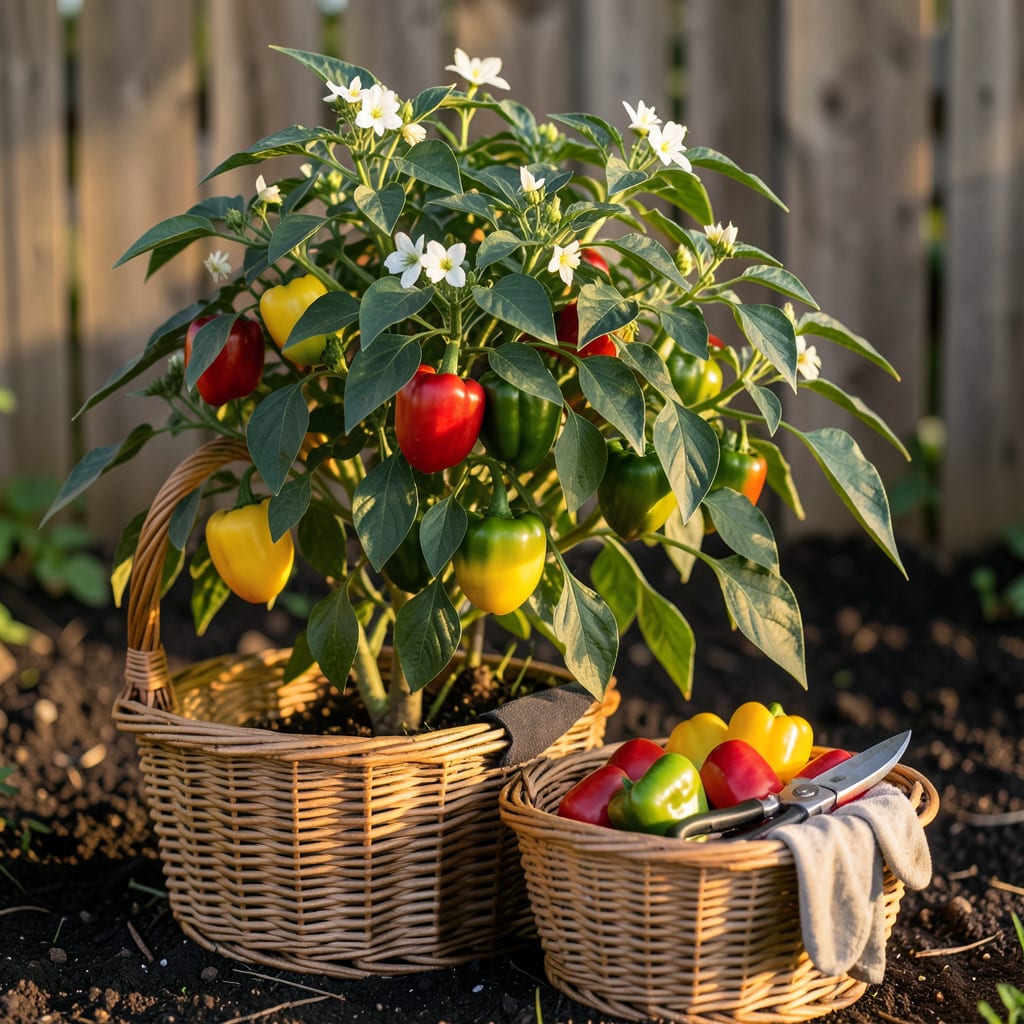
Nothing beats the satisfaction of picking fresh 🌶️ Pepper from your own garden. But knowing when and how to harvest them can make all the difference in flavor and yield.
I’ll show you the simple signs to look for and the best techniques to pick your peppers without harming the plant. Let’s get started.


Timing is everything when it comes to harvesting peppers. The key is watching for color changes, size, and texture that signal your peppers are ready to pick. Each variety has its own perfect moment.
For most peppers, the transition from green to red, yellow, or orange indicates ripeness. But some, like bell peppers, can be harvested green if you prefer a milder flavor. I always check the firmness of the skin too.
| Variety | Ripeness Signs |
|---|---|
| Bell Pepper | Full size, green to red/yellow |
| Jalapeño | Deep green to red, 2-3 inches |
| Cayenne | Slender, 4-6 inches, bright red |
| Banana Pepper | Pale yellow to orange, 4-6 inches |
Sweet peppers like bells are best when fully colored and plump. Hot varieties often develop more heat as they mature, so I harvest jalapeños green for milder flavor or red for extra spice.
The skin texture is another giveaway. A glossy, firm surface means it’s ready, while dull or wrinkled skin suggests it’s overripe. I also check the stem—it should be green and healthy.
For early harvests, you can pick peppers smaller if needed, but they won’t have reached their full flavor potential. I recommend waiting for full maturity when possible for the best taste.
Weather conditions can affect ripening too. In hot climates, peppers may mature faster, while cooler temperatures slow the process. I always monitor my plants closely as the season progresses.
Remember, regular harvesting encourages the plant to produce more fruit. I make it a habit to check my pepper plants every 2-3 days during peak season to catch them at the perfect stage.
If you’re growing multiple varieties, keep notes on their maturity timelines. This helps you anticipate when each type will be ready and ensures you don’t miss the ideal window.
With practice, you’ll develop an eye for perfectly ripe peppers. The satisfaction of picking them at just the right moment makes all the effort worthwhile. Happy harvesting! 🌱
Picking peppers the right way keeps your plants healthy and ensures a bountiful harvest. The key is using gentle techniques that protect both the fruit and the plant. I always start with clean, sharp tools to make the process smooth.
For most peppers, I recommend using pruning shears or scissors to avoid tearing the stems. This method is cleaner than pulling by hand and reduces the risk of damaging the plant. For delicate varieties, a gentle twist-and-pull can work too.
If you prefer using your hands, grasp the pepper firmly and twist gently until it snaps off. Be careful not to pull too hard, as this can uproot the plant or damage the stem. I find this works best for bell peppers with thicker stems.
Always check the stem after picking. If it’s still attached to the plant, you’ve done it right. If not, adjust your technique next time to leave the stem intact. This helps the plant continue producing more peppers.
For hot peppers like jalapeños, wearing gloves is a smart idea. The oils can irritate your skin, especially if you have sensitive hands. I learned this the hard way after a few painful harvesting sessions!
Finally, harvest regularly to encourage more growth. I check my plants every 2-3 days during peak season. This keeps the plants productive and ensures I don’t miss any perfectly ripe peppers. Happy picking! 🌿
Even experienced gardeners can make mistakes when harvesting peppers. One of the most common errors is picking them too early or too late. This can result in poor flavor or wasted fruit. I always check for the right signs before harvesting.
Another frequent issue is using dull tools that crush stems instead of cutting cleanly. This can damage the plant and lead to disease. I make sure my pruners are sharp before starting any harvesting session.
⚠️ Warning: Avoid harvesting peppers when the plant is wet. This can spread diseases and cause the fruit to rot prematurely.
I’ve also seen gardeners neglect to support the plant while picking, which can lead to broken branches. Always hold the stem gently with one hand while harvesting with the other. This simple step prevents unnecessary damage.
Improper storage after picking is another pitfall. Peppers should be kept in a cool, dry place and used within a week for best flavor. I avoid washing them until ready to use to prevent early spoilage.
Finally,
Morning is ideal, as peppers are most crisp and fresh after the cool night. Avoid harvesting during the hottest part of the day when plants are stressed.
Yes, especially for jalapeños or habaneros. The oils can irritate skin. Always wash hands thoroughly after handling, even with gloves.
Inspect every 2-3 days at peak ripeness. Hot peppers may mature faster than sweet varieties, so frequent checks prevent overripening.
Yes, but flavor will be milder. For full sweetness or heat, wait until they reach their mature color (red, yellow, etc.). Green bell peppers are an exception—they’re often picked early.
