
Beautiful Plants For Your Interior
Beautiful Plants For Your Interior
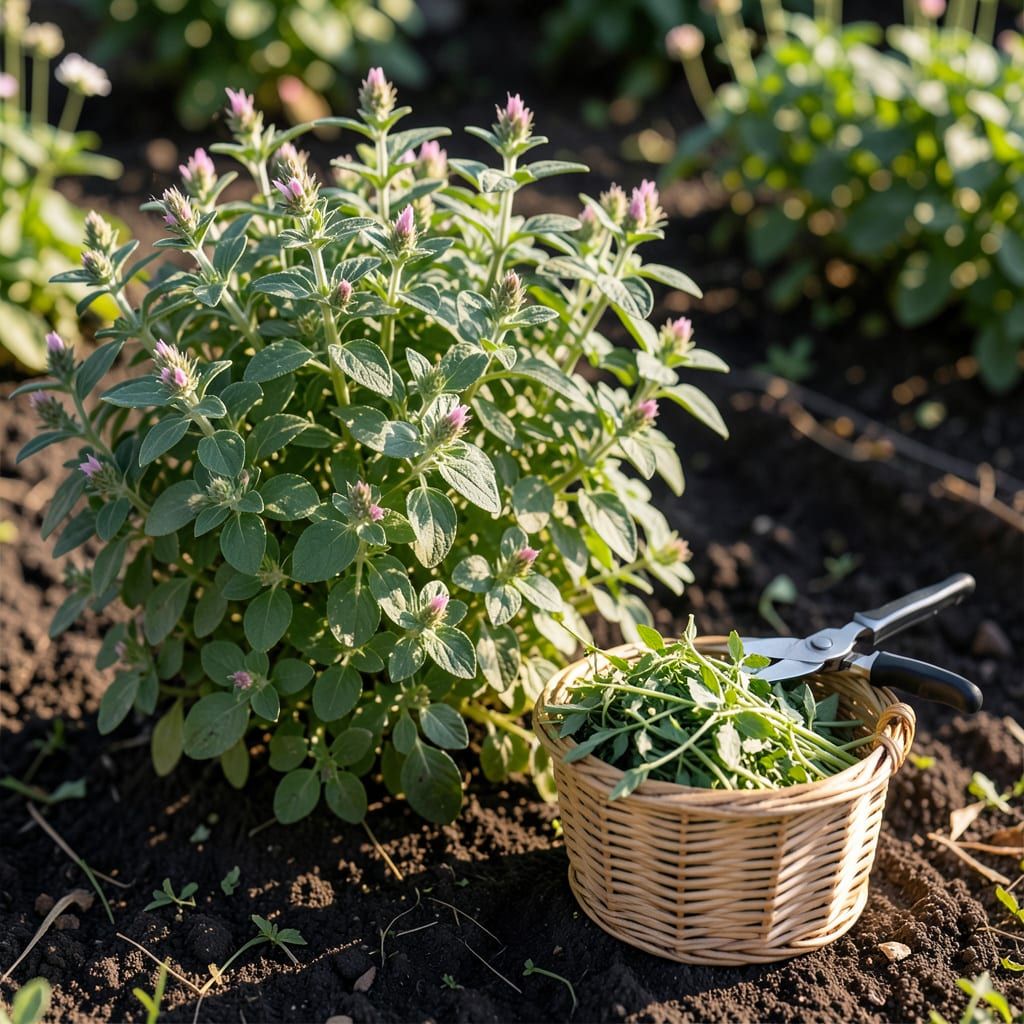
Nothing beats the satisfaction of harvesting fresh 🌿 oregano from your own garden. But did you know that how you pick it can make or break your plant’s future growth?
I’ll show you the easiest way to gather those flavorful leaves while keeping your oregano healthy and productive for seasons to come.


I’ve learned that timing is everything when harvesting oregano. The best time is in the morning after the dew dries but before the heat sets in. This ensures the essential oils are at their peak for the best flavor and aroma.
Always use sharp pruning shears or scissors to make clean cuts. Dirty or dull tools can introduce disease or crush stems, which stresses the plant and slows recovery.
The 1/3 rule is my golden guideline. By never taking more than a third of the plant at once, you allow it to recover quickly and continue growing vigorously. This method works for most herbs, not just oregano.
I always check the stem condition before cutting. If the stems are still soft and green, the plant isn’t ready. Look for woody bases and vibrant green leaves as signs of maturity.
Harvesting before flowering is crucial. Once oregano blooms, the leaves become bitter. I start picking when I see flower buds forming but before they fully open.
After cutting, I remove any damaged leaves immediately. This prevents energy waste and reduces the risk of disease spreading to healthy parts of the plant.
I’ve found that regular light harvests work better than occasional heavy pruning. This approach encourages dense, bushy growth and provides a steady supply of fresh oregano.
Always harvest in the cool part of the day. The heat of midday can cause the plant to lose moisture quickly, stressing it further after pruning.
Finally, I
I’ve seen many gardeners accidentally harm their oregano by making simple harvesting mistakes. The most common error is over-harvesting, which strips the plant of too many leaves at once.
Another frequent misstep is cutting too low on the stem, which can damage the plant’s ability to regrow. Always leave at least 2-3 sets of leaves on each stem to ensure healthy recovery.
I always remind myself that timing matters. Harvesting in the heat of the day causes unnecessary stress. Early morning is ideal, as the plant is hydrated and the essential oils are strongest.
Dull tools are another culprit. They can crush stems instead of making clean cuts, leaving the plant vulnerable to disease and pests. I sharpen my shears before each use.
Many gardeners also overlook flower bud development. Once buds appear, you have a short window to harvest before the leaves turn bitter. I check my plants daily during growing season to catch this.
Finally, I never harvest from stressed or unhealthy plants. If the leaves look wilted or discolored, I give the plant time to recover first. Healthy plants bounce back faster after pruning.
By avoiding these common pitfalls, your oregano will thrive and reward you with abundant harvests for years to come 🌿
I’ve found that regular harvesting actually encourages my oregano to grow bushier and healthier. The key is consistency rather than taking large amounts at once.
For mature oregano plants, I harvest every 2-3 weeks during the growing season. This frequency allows the plant to recover while maintaining steady production of fresh leaves.
| Plant Stage | Harvest Frequency |
|---|---|
| Young plants | Every 4-6 weeks |
| Mature plants | Every 2-3 weeks |
| Before flowering | Increase to weekly |
With young oregano, I’m more cautious and harvest less frequently, about every 4-6 weeks. This gives the plant time to establish strong roots and stems before regular picking begins.
During peak growing season, I increase my harvesting to weekly intervals as long as I’m only taking small amounts each time. This method keeps the plant producing new growth continuously.
I always monitor the plant’s response to my harvesting schedule. If I notice the growth slowing down or the leaves looking less vibrant, I’ll extend the time between harvests to let the plant recover.
By following this balanced approach, my oregano plants stay productive and healthy throughout the entire growing season 🌿
Early morning after dew dries is ideal. The plant is most hydrated and essential oils are strongest, giving you the best flavor and aroma.
Look for woody stems at the base and vibrant green leaves. The plant should be 6-12 inches tall with a strong aroma when crushed.
It’s best to pick before buds open. Once flowering begins, leaves can turn bitter. If you see buds, harvest immediately for the best taste.
Use sharp pruning shears or clean scissors. Dull tools can crush stems, making the plant vulnerable to disease and pests.
