
Beautiful Plants For Your Interior
Beautiful Plants For Your Interior
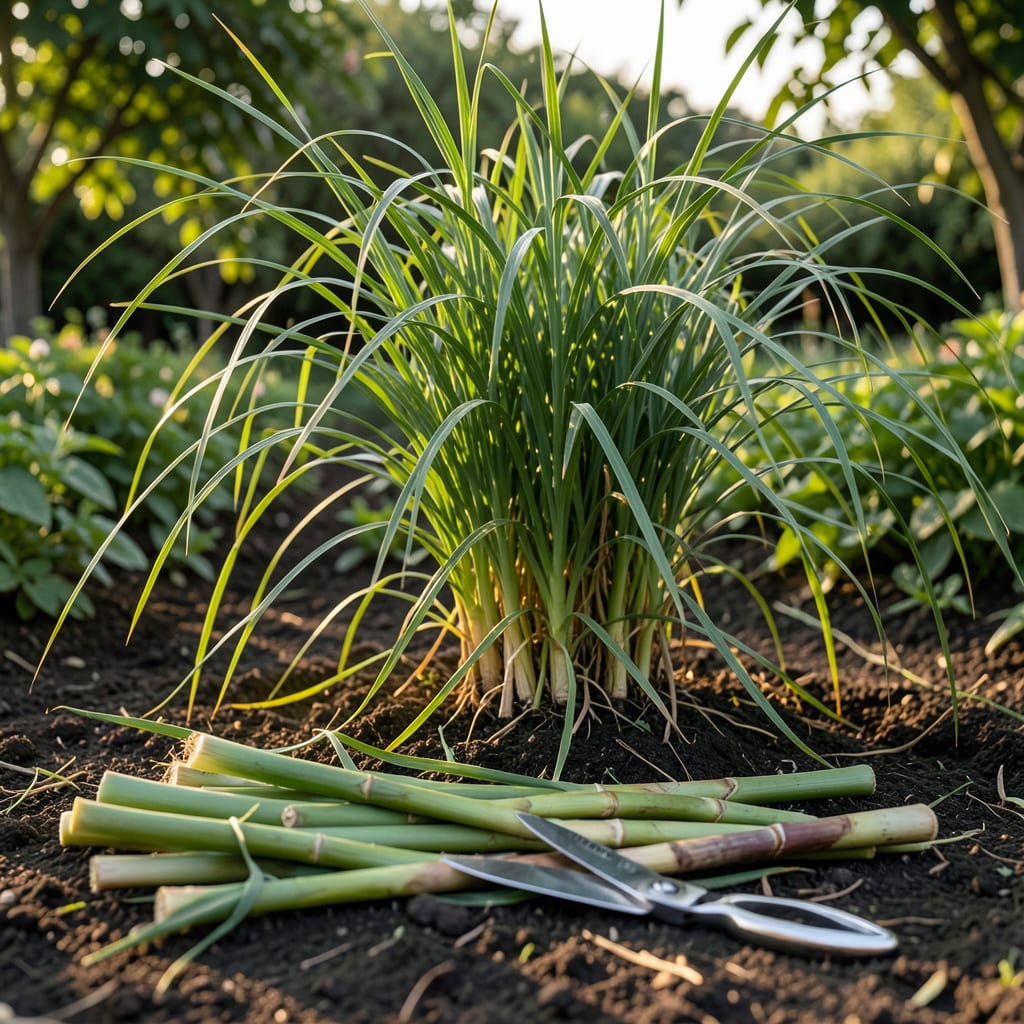
There’s nothing quite like sipping a cup of tea made from homegrown 🌿 Lemongrass. The secret to that vibrant citrus flavor starts with knowing exactly when and how to harvest your stalks.
I’ll walk you through the simple process that ensures maximum aroma and regrowth. Whether you’re new to gardening or a seasoned pro, these tips will help you get the most from your plants.


Harvesting lemongrass for tea starts with timing. I wait until my plants are 90-120 days old with 1/2-inch thick stalks for the best flavor. The aroma should be strong when you crush the leaves.
Early morning is ideal for harvesting when the essential oils are most concentrated. I always use clean, sharp pruners to avoid damaging the plant.
How to Harvest Lemongrass for Tea:
I focus on the outer stalks first, leaving the center ones to mature. This approach lets my plant keep growing while I enjoy fresh harvests throughout the season.
After cutting, I immediately remove the tough outer leaves to expose the tender core. The lower 4-6 inches of the stalk contain the most flavor for tea.
For regrowth, I never harvest more than 1/3 of the plant at once. This ensures my lemongrass continues producing new stalks for future harvests.
I’ve found that late summer to fall gives the most fragrant harvests in cooler zones. In warm climates, I can harvest year-round with proper care.
The key is watching for firm, upright stalks with a strong citrus scent. If they flop over or smell weak, I wait a bit longer.
After harvesting, I rinse the stalks to remove any dirt before processing. This keeps my tea clean and free from garden debris.
With these simple steps, I consistently get high-quality lemongrass that makes the most flavorful tea. The process gets easier with practice.
Once you’ve harvested your lemongrass stalks, drying them properly preserves their citrus aroma and flavor. I’ve tested several methods to find what works best for tea preparation.
The most popular options are air-drying, oven-drying, and using a food dehydrator. Each has its advantages depending on your climate and available tools.
| Method | Time Required | Best For |
|---|---|---|
| Air-drying | 1-2 weeks | Warm, dry climates |
| Oven-drying | 2-4 hours | Quick results |
| Dehydrator | 4-6 hours | Consistent results |
For air-drying, I bundle 5-6 stalks and hang them upside down in a well-ventilated area. This method preserves the most flavor but takes the longest.
When using an oven, I set it to 170°F and spread stalks on a baking sheet. I leave the door slightly open to allow moisture to escape.
My dehydrator method uses 135°F for about 6 hours. This gives me consistent results with minimal effort.
After drying, I store the lemongrass in airtight containers away from light. Properly dried stalks can last up to a year with their flavor intact.
I always check for complete dryness before storing. Any moisture left can cause mold, ruining your harvest.
Harvesting lemongrass too early is a common mistake I see. Thin, weak stalks won’t have the citrus intensity you want for tea. I always wait for 1/2-inch thickness and a strong aroma.
Another error is cutting too low to the ground. This can damage the plant and prevent regrowth. I leave 1-2 inches above soil to protect the base.
⚠️ Avoid These Harvesting Mistakes:
I never harvest more than 1/3 of the plant at once. This ensures continuous growth and future harvests. Over-harvesting stresses the plant and reduces yields.
Harvesting during wet conditions can lead to mold. I always wait for dry weather and morning hours when the essential oils are most concentrated.
Finally, I avoid using dull tools that can crush the stalks. Clean, sharp pruners give the cleanest cuts and help the plant recover faster. ✂️
Early morning is ideal when essential oils are most concentrated. This ensures maximum flavor and aroma in your tea.
Look for 1/2-inch thickness at the base and a strong citrus scent when crushed. Thin or floppy stalks need more time.
No, always wait for dry conditions. Wet stalks can develop mold during drying, ruining your harvest.
Never take more than 1/3 of the plant to allow regrowth. Focus on outer stalks first, leaving inner ones to mature.
