
Beautiful Plants For Your Interior
Beautiful Plants For Your Interior
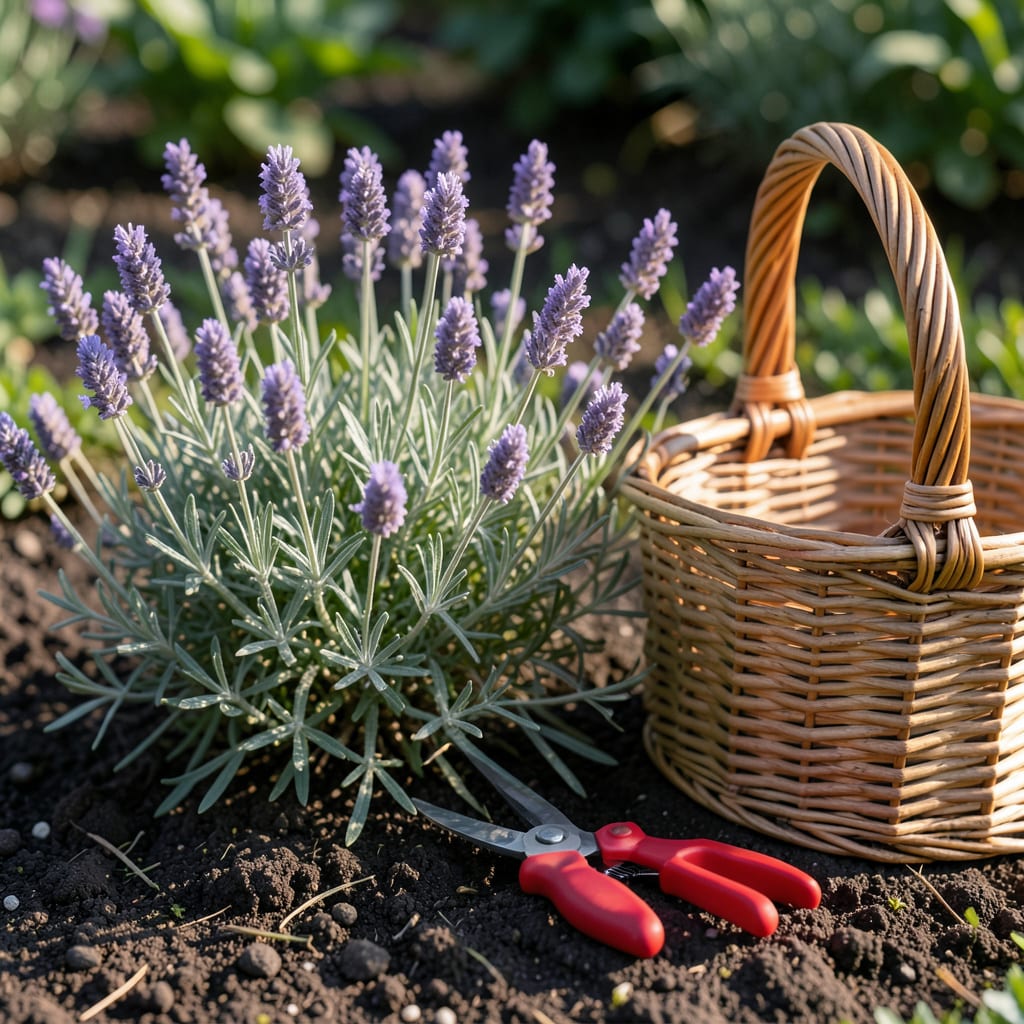
Imagine sipping a warm cup of tea made from lavender you grew yourself. There’s a simple trick to harvesting 🌿 lavender that locks in the best flavor for your brew.
I’ll show you exactly when and how to pick those fragrant buds so every sip tastes as fresh as your garden smells. Let’s make your tea truly unforgettable.


Timing is everything when harvesting lavender for tea. I’ve found that picking at the right stage makes all the difference in flavor and aroma. The best moment is when flower buds just begin to open.
This is usually early morning after the dew has dried. The essential oils are most concentrated then, giving your tea the strongest fragrance and taste. June to August is peak season for most varieties. 🌿
| Stage | Flavor Impact | Best Time |
|---|---|---|
| Bud Formation | Mild, floral | Early Morning |
| Buds Opening | Peak flavor, aromatic | June-August |
| Full Bloom | Strong but bitter | Avoid for Tea |
I always check for long stems (8-12 inches) with strong fragrance. If the scent is faint, the flowers aren’t ready yet. Weak stems or closed buds mean the essential oils haven’t developed fully.
Harvesting too late, when flowers are fully open, can make your tea taste bitter. The lower buds should just be starting to open, while the upper ones remain closed. This balance gives the best flavor profile.
Weather matters too. I avoid harvesting on rainy days or when humidity is high. Damp flowers can develop mold during drying, ruining your tea. Aim for dry, sunny mornings for the cleanest harvest. ☀️
If you’re growing multiple lavender varieties, note that English lavender is ideal for tea. Its sweet, mild flavor works perfectly in brews. Other types may be too strong or soapy.
I also watch the time of day closely. Harvesting after 10 AM can mean losing some of those precious oils as the sun heats up the plants. Early morning ensures maximum potency.
Remember, consistency is key. If you harvest at the same stage each time, you’ll get the same great flavor in every cup. I’ve found this makes all the difference in my homemade blends. 🌸
Finally, trust your nose. If the lavender smells incredible in the garden, it’ll taste just as good in your tea. That strong aroma is your best indicator of perfect timing.
Harvesting lavender for tea starts with the right tools. I use sharp pruning shears to make clean cuts without crushing the stems. This preserves the essential oils that give your tea its flavor.
Always cut just above a leaf node to encourage new growth. I aim for long stems (8-12 inches) with flower buds just beginning to open. This ensures the best flavor for your tea. ☀️
I prefer the hanging method for drying because it maintains the natural shape of the flowers. A dark closet or attic works perfectly. Just ensure there’s good air circulation to prevent mold.
For faster drying, you can use a food dehydrator on the lowest setting. I’ve found this works well when I’m short on time. Just spread the stems in a single layer and check frequently. 🌿
Never use a microwave or oven, as the heat can destroy the delicate oils. The goal is slow, gentle drying to preserve all that wonderful flavor and aroma.
Once dry, store your lavender in an airtight container away from light and heat. I keep mine in glass jars in a cool pantry. Properly stored, it’ll keep its flavor for up to a year.
Turning your harvested lavender into tea is simple. I use 1-2 teaspoons of dried flowers per cup. The key is using the right water temperature to extract the best flavor without bitterness.
I always heat water to about 200°F (just below boiling). Pour it over the flowers and let them steep for 5-7 minutes. This brings out the delicate floral notes perfectly. 🌿
💡 Pro Tip: For stronger flavor, increase steeping time to 10 minutes or use fresh flowers (double the amount). Store dried lavender in airtight containers away from light to preserve freshness.
For a more complex taste, I like to blend lavender with other herbs. Chamomile or mint pair wonderfully, adding depth to your tea. Experiment with ratios to find your perfect mix.
Avoid using metal utensils when handling your lavender. I’ve found that glass or ceramic works best to maintain the pure flavor. Also, never boil the flowers directly, as this can make the tea bitter. ☀️
If you’re using fresh lavender, bruise the flowers slightly before steeping. This releases more of the essential oils. But remember, fresh flowers are more potent, so adjust your measurements accordingly.
Early morning after the dew evaporates is ideal. The essential oils are most concentrated then, giving your tea the strongest aroma and taste.
Dry for 2-3 weeks in a dark, well-ventilated space. The flowers are ready when they’re brittle to the touch.
Yes, but use double the amount since fresh blooms are less concentrated. Bruise them slightly before steeping to release more flavor.
Keep it in an airtight container away from light and heat. Properly stored, it retains its flavor for up to a year.
