
Beautiful Plants For Your Interior
Beautiful Plants For Your Interior
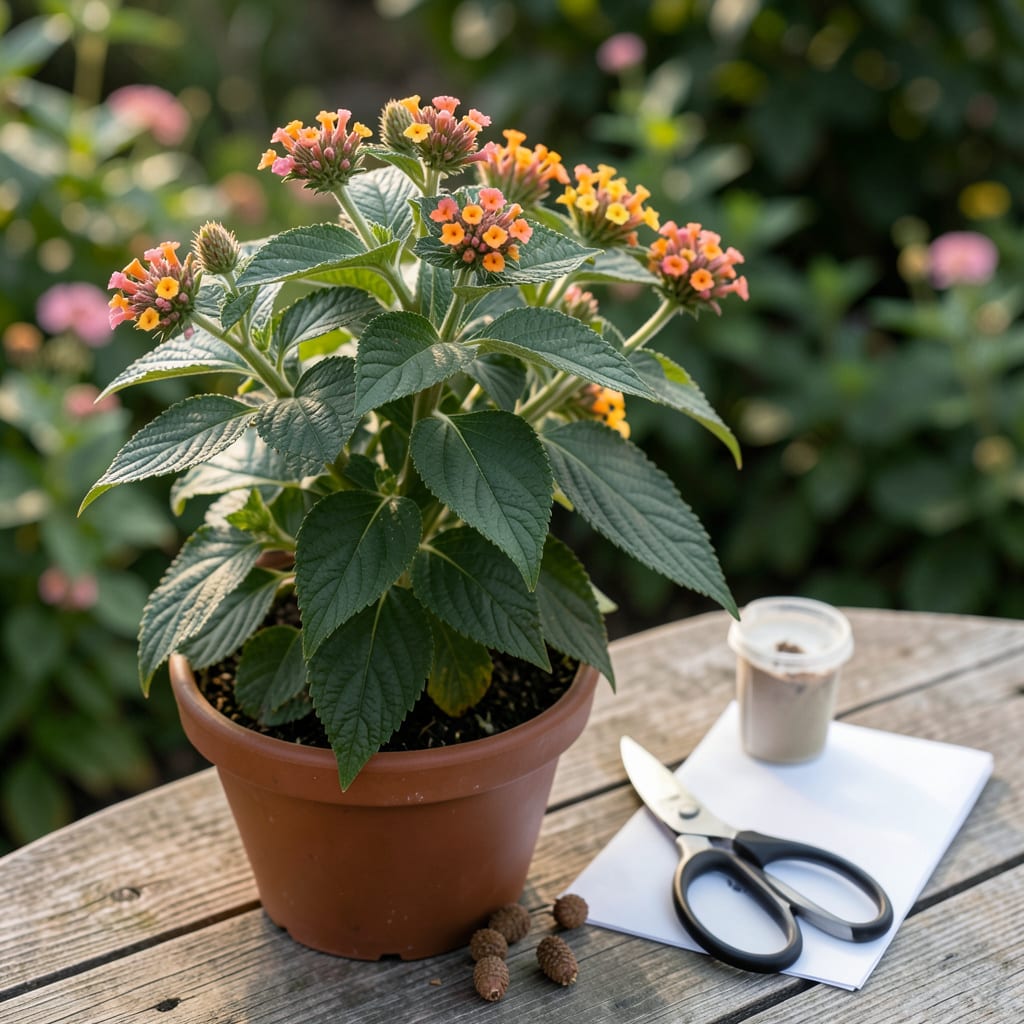
Want to grow more of those vibrant 🌸 Lantana flowers next season? Collecting seeds is the easiest way to expand your garden without spending a dime.
I’ll show you the best time and method to harvest Lantana seeds so they’re ready for planting. It’s simpler than you might think!


Harvesting Lantana seeds is a rewarding way to propagate these colorful flowers for future seasons. The key is knowing when the seed pods are mature and ready for collection.
I always wait until the berries turn dark purple or black, which signals the seeds inside are fully developed. This usually happens in late summer or early fall.
Start by inspecting the berries on your Lantana plants. Mature berries will have a deep, rich color, unlike the green ones that are still developing. This color change is your first clue.
Next, test the texture of the berries. A ripe berry should feel soft and squishy when gently pressed. If it feels firm, the seeds inside aren’t ready yet.
Once you’ve confirmed the berries are ready, use clean, sharp scissors or pruners to snip the clusters from the plant. Be gentle to avoid damaging the seeds or the plant itself.
To extract the seeds, place the berries in a bowl of room-temperature water and gently mash them. The seeds will sink to the bottom, while the pulp floats to the top.
After separating the seeds, spread them on a paper towel to dry. Keep them in a well-ventilated area away from direct sunlight for about 3-5 days.
Once completely dry, store the seeds in a paper envelope or airtight container. Label it with the date and plant variety for future reference.
By following these steps, you’ll have viable Lantana seeds ready for planting next spring. It’s a simple process that ensures your garden stays vibrant year after year 🌸
Timing is everything when harvesting Lantana seeds. The berries need to be fully mature for the seeds to be viable. I never collect them too early, as this can result in poor germination rates.
Watch for visual cues like color changes and texture. Typically, the best time is in late summer to early fall when the berries have turned dark.
The first sign I look for is a color change in the berries. When they shift from green to dark purple or black, it’s a clear indicator that the seeds are maturing.
Next, I check the texture of the berries. A ripe berry should feel soft and squishy when pressed. If it still feels firm, the seeds aren’t ready yet.
Another key indicator is how easily the berries separate from the plant. If they come off with a gentle tug, they’re likely mature enough for harvesting.
Finally, inspect the seeds inside. They should be hard and dark in color. If they’re still white or light-colored, they need more time to develop.
By paying attention to these signs, you’ll ensure your Lantana seeds are ready for a successful harvest 🌸
Even experienced gardeners can make simple errors when harvesting Lantana seeds. These mistakes often lead to poor germination and wasted effort. I’ve learned the hard way to avoid them.
One common pitfall is picking immature berries. If the berries are still green or light-colored, the seeds inside won’t be viable. Wait until they turn dark purple or black for the best results.
Another mistake is not drying the seeds properly. If you skip this step or don’t give them enough time, the seeds can develop mold. Spread them out on a paper towel for 3-5 days in a dry area.
Improper storage is also a frequent issue. Keep seeds in a cool, dry place and avoid plastic bags, as they can trap moisture. A paper envelope works best for long-term storage.
Finally, don’t overlook labeling your seeds. Without a label, you might forget the variety or harvest date, making it harder to track their viability. Always note the plant type and collection date.
By avoiding these mistakes, you’ll ensure your Lantana seeds stay healthy and ready for planting next season 🌸
Wait until they turn dark purple or black. Green or light berries mean the seeds aren’t mature yet. This color shift signals they’re ready for collection.
Spread them on a paper towel in a dry, ventilated area for 3-5 days. Ensure they’re completely dry before storing to prevent mold growth.
No, plastic traps moisture and can ruin the seeds. Use a paper envelope or airtight container instead, and keep it in a cool, dry place.
Late summer to early fall is ideal. This is when berries naturally mature and seeds are most viable for future planting.
