
Beautiful Plants For Your Interior
Beautiful Plants For Your Interior
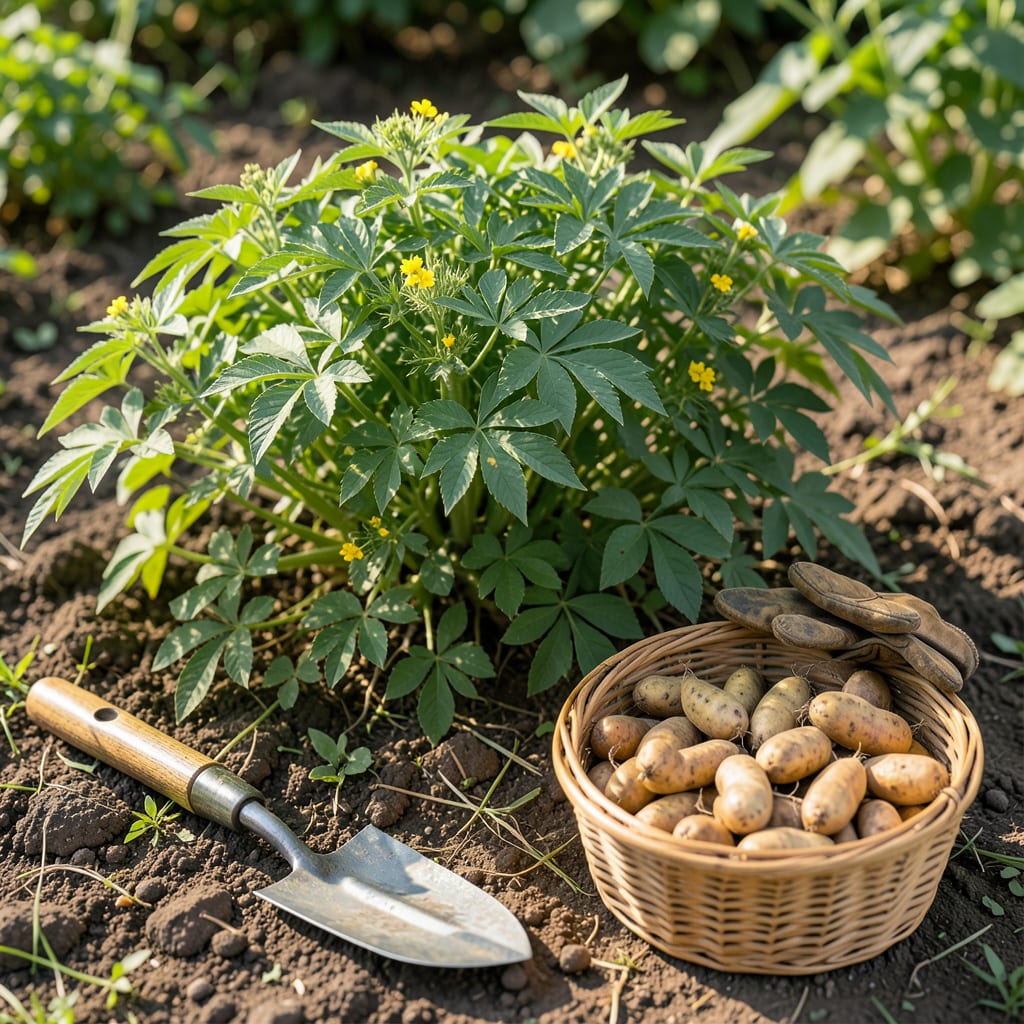
Timing your Groundnut 🥜 harvest perfectly can make or break your yield. Many growers miss the ideal window, leaving flavor and quantity on the table.
I’ll show you the field-tested signs to watch for and the exact steps to ensure you pull those peanuts at their peak. Let’s get started.


Knowing when to harvest groundnuts is crucial for maximum flavor and yield quality. The plants give clear visual clues if you know where to look.
I always watch for yellowing leaves and drying foliage as the first signs. These indicate the peanut plants are redirecting energy to the pods below ground. 🌱
| Sign | Description |
|---|---|
| Yellow Leaves | Top foliage turns yellow and begins to wilt |
| Pod Rattling | Shake test reveals dry pods rattling inside |
| Shell Veining | Inner shells show dark veins when opened |
| Peg Penetration | Pegs have entered soil and formed pods |
The shake test is my favorite method. Gently lift a plant and shake it – if you hear the peanuts rattling inside the pods, they’re ready.
Another reliable indicator is the shell appearance. When you open a few pods, the inner shells should show distinct dark veining, not smooth surfaces.
I check the peg development too. Those flower stalks should have fully penetrated the soil and formed visible pod clusters underground.
Remember that groundnuts typically reach maturity in 90-150 days, depending on the variety. The Virginia types often take longer than Spanish varieties.
Weather plays a role too. I aim to harvest before the first frost, as cold temperatures can damage the developing pods and reduce quality.
If you’re unsure, dig up a test plant or two. The pods should be fully formed with dry interiors and hard shells when ready.
Don’t wait until all leaves are brown. By then, some pods may have split underground, risking soil contamination and reduced storage life. ✂️
Harvesting groundnuts properly ensures you get the best yield and highest quality. The process starts with the right tools and timing.
I always begin with a garden fork or shovel to gently lift the plants. Be careful not to damage the pod clusters attached to the roots. 🌱
The drying process is critical. I hang the plants upside down in a well-ventilated space for 7-14 days. This allows the pods to cure evenly.
Avoid washing the peanut plants after lifting. The soil on the roots actually helps protect the pods during drying. Just shake off the excess dirt gently.
For large harvests, I spread the plants in a single layer on a drying rack. Make sure there’s good airflow around each plant to prevent mold.
Once fully dry, the pods will rattle when shaken. At this point, you can remove them from the plant and store them in a cool, dry place. ☀️
Even experienced growers can make costly mistakes when harvesting groundnuts. These errors often lead to reduced yield or poor quality peanuts. 🌱
I’ve seen many gardeners harvest too early, resulting in underdeveloped pods with soft shells. Others wait too long, risking split pods and soil contamination.
⚠️ Warning: Avoid these common pitfalls to protect your harvest:
Another mistake is improper drying. I always ensure my groundnuts are in a well-ventilated area to prevent mold growth. Direct sunlight can overheat the pods, so indirect light is best.
Mishandling the peanut plants during lifting can break the peg connections. I use a garden fork and work slowly around the roots to keep the pods intact. ✂️
Finally, storage errors are common. I store my dried peanuts in mesh bags or breathable containers. This keeps them dry and pest-free for months.
Use a garden fork or shovel to gently lift plants. Work slowly to avoid damaging the pod clusters attached to roots.
Hang plants upside down in a warm, ventilated area for 7-14 days. This allows the pods to cure evenly and prevents mold.
Avoid washing after lifting. The soil on roots protects pods during drying. Just shake off excess dirt gently.
Waiting too long risks split pods and soil contamination. This reduces both yield quality and storage life.
