
Beautiful Plants For Your Interior
Beautiful Plants For Your Interior
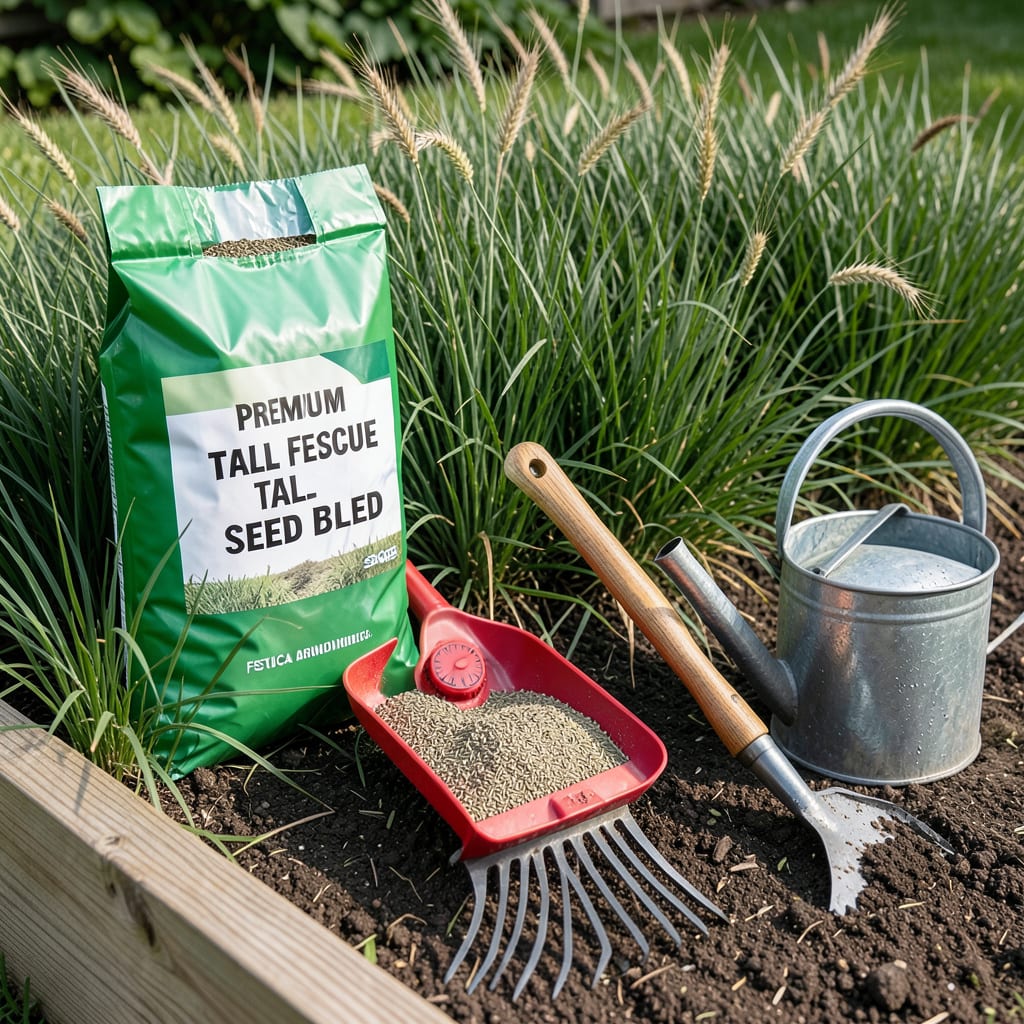
Tired of watching your lawn turn brown at the first sign of summer heat? Tall fescue grass might be your solution—this cool-season powerhouse stays green when others wilt, thrives in USDA zones 4–8, and even handles light shade like a champ.
Whether you’re starting from scratch or reviving a patchy yard, I’ll walk you through the exact steps to plant and maintain this low-maintenance superstar. From ideal seeding times to drought-proofing tricks, you’ll learn how to grow a lawn that stays lush year-round—without the constant upkeep.

If you’re dreaming of a drought-resistant lawn that stays green through summer heat waves, tall fescue grass is your answer. This cool-season grass thrives in USDA zones 4-8 and handles partial shade better than most turfgrasses. Let me walk you through the perfect planting process.
The secret to success starts with proper timing – aim for early fall planting (August-October) when soil temperatures are ideal for germination. Spring planting works too, but fall gives roots extra time to establish before summer stress. Now let’s get those seeds in the ground the right way.
For the best germination rates, maintain consistent moisture during the first 3 weeks. I recommend light daily watering (just enough to keep the top inch damp) until you see green sprouts emerging. This is when many new lawns fail – don’t let yours dry out!
Once your tall fescue seedlings reach 2-3 inches tall, gradually reduce watering frequency but increase depth. Aim for 1-1.5 inches per week (including rainfall) to encourage deep root growth. This is what makes tall fescue so drought-tolerant later on.
Here’s a pro tip: Don’t mow until your new grass reaches 4 inches tall. When you do mow, never remove more than 1/3 of the blade at once. Set your mower to 3-4 inches for tall fescue – this height helps shade the soil and retain moisture.
For faster establishment, consider starter fertilizer (16-4-8 ratio) at planting time. Apply 1 lb of nitrogen per 1,000 sq ft to give your seedlings a nutrient boost. Just be sure to water it in thoroughly to prevent burning the tender new roots.
Remember that tall fescue grows in clumps, so it won’t spread like some grasses. This means proper seed distribution is crucial for a uniform lawn. If you notice thin spots after germination, you can overseed those areas within the first month.
The first 6 weeks are critical for your new lawn. Avoid heavy foot traffic and keep pets off the grass until it’s fully established. With proper care, you’ll have a lush, green lawn that stays beautiful through heat, drought, and even light shade conditions. 🌱
Once established, tall fescue requires less maintenance than many grasses. Its deep root system (up to 3 feet!) makes it naturally drought-resistant. You’ll find yourself watering less and enjoying your lawn more compared to thirsty grasses like Kentucky bluegrass.
If you’ve planted tall fescue grass, you’ve already made a smart choice for a drought-resistant lawn. But the real secret to that year-round emerald carpet lies in seasonal maintenance. Unlike other grasses, tall fescue’s deep root system demands a different approach.
I’ve found that timing is everything with this cool-season grass. What works in spring growth can backfire in summer heat. The key is understanding how tall fescue’s growth cycles shift with the seasons—something most lawn care guides overlook.
| Season | Key Tasks | Frequency |
|---|---|---|
| Early Spring | Fertilize (high nitrogen), aerate, pre-emergent weed control | March-April |
| Late Spring | Mow to 3-4 inches, water deeply 2x/week | May-June |
| Summer | Drought stress management, light fertilization, raise mower height | July-August |
| Fall | Overseed, core aeration, heavy fertilization | September-October |
| Winter | Minimal care, avoid foot traffic on frozen grass | November-February |
*Adjust based on your USDA Zone 4-8 specific frost dates
The fall season is when tall fescue truly shines. I always recommend overseeding in September—this gives new seedlings time to establish before winter. Use 6-8 lbs of seed per 1,000 sq ft and keep the soil moist for 14-21 days until germination.
During summer heat waves, tall fescue’s drought tolerance kicks in, but don’t be fooled—it still needs 1-1.5 inches of water weekly. The trick is deep, infrequent watering (every 5-7 days) rather than daily sprinkles. This encourages those deep roots to grow even deeper.
Many gardeners make the mistake of cutting too short in spring. For tall fescue, I maintain a 3-4 inch height year-round. This shade the soil, reduces weeds, and protects the crowns from heat stress. Remember: never remove more than 1/3 of the blade in a single mowing.
For winter preparation, apply a winterizer fertilizer (high potassium) in late fall. This strengthens cell walls against frost. Avoid heavy nitrogen at this time—it promotes weak growth that’s vulnerable to snow mold. A light raking in early spring removes any dead blades.
One pro tip I swear by: soil testing every 2-3 years. Tall fescue thrives in pH 5.5-7.5. If your soil is too acidic, apply lime in fall; for alkaline soil, use sulfur in spring. This simple step prevents nutrient lockout and keeps your lawn vibrant green all season.
Even the toughest tall fescue grass can struggle when simple mistakes sabotage its growth. I’ve seen beautiful lawns turn patchy overnight from avoidable errors. Let me show you the top 5 pitfalls that destroy tall fescue—and exactly how to fix them.
First, understand that tall fescue’s deep root system makes it drought-resistant—but only when properly established. Many homeowners accidentally stunt root development with poor watering habits or incorrect mowing. These mistakes compound over time, leading to weak grass that can’t handle stress.
The biggest killer of new tall fescue is inconsistent watering during germination. I recommend setting phone reminders for light daily watering (just 5-10 minutes) until sprouts appear. Then gradually shift to deep weekly watering to build those drought-proof roots.
Here’s a game-changing tip: If your lawn develops brown patches in summer, don’t assume it’s dead. Tall fescue often goes dormant in heat but recovers when temps drop. Keep watering 1 inch weekly (including rain) to maintain root health during dormancy.
For fertilizer success, mark your calendar for fall feeding (September-October). This is when tall fescue builds root reserves for winter. Use slow-release granular fertilizer and water immediately after applying to prevent burn. Never fertilize during summer heat waves—this stresses the grass.
Remember that tall fescue’s clumping growth habit means bare spots won’t fill in naturally. If you see thin areas, overseed in early fall with the same variety. Use a rake to rough up the soil first for better seed-to-soil contact. With these fixes, you’ll transform a struggling lawn into a resilient, green carpet that thrives year-round. 🌿
Early fall (August-October) is ideal when soil temperatures are perfect for germination. Spring planting works too, but fall gives roots extra time to establish before summer heat. Avoid planting in summer extremes or frozen winter ground.
Keep soil consistently moist (not soggy) with light daily watering for the first 2-3 weeks. After germination, shift to deep watering 1-2 times weekly (1-1.5 inches total). Morning watering prevents fungal issues.
Tall fescue tolerates partial shade (4-6 hours of sun) better than most grasses. However, it thrives best with 6+ hours of sunlight daily. In heavy shade, expect thinner growth and potential disease issues.
This is likely summer dormancy—tall fescue’s natural survival mode during heat. Keep watering 1 inch weekly to maintain root health. The grass typically recovers when temperatures drop below 85°F. Don’t overseed until fall.
Rake the area to loosen soil, then overseed with 6-8 lbs per 1,000 sq ft. Keep moist for 14-21 days until germination. Early fall is the best time for repairs. For quick fixes, use sod patches instead of seed.
