
Beautiful Plants For Your Interior
Beautiful Plants For Your Interior
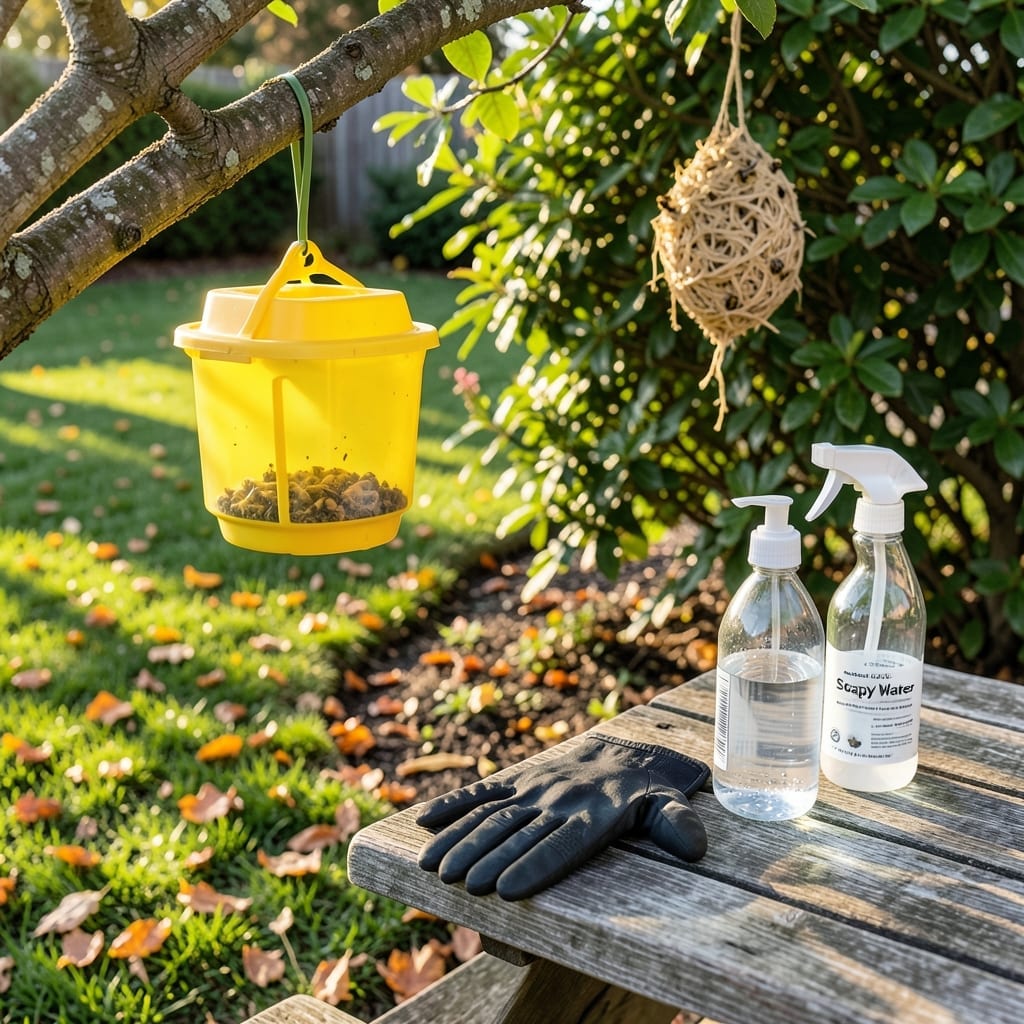
Yellow jackets turned my backyard into a no-go zone last summer. I learned the hard way that these pests are most active during the day and return to their nest at night—perfect timing for removal.
The key is waiting until full dark when they’re all inside and sluggish. A simple shop vacuum or soap-water spray can take out the nest before they know what hit them. No fancy equipment, just smart timing.
You’ll regain your yard in one evening without risking stings. The nest won’t rebuild if you act fast and seal the area afterward. I’ve kept mine yellow jacket-free for two seasons now.
Works for underground nests, wall voids, or hanging paper nests. Here’s the safe, effective way to handle it.
Yellow jackets are aggressive wasps that often build nests in yards, and understanding why they choose your space is key to prevention. These insects are drawn to specific conditions that make your property an ideal habitat. Below are the primary reasons they appear—and how they lead to infestations.
Yellow jackets are scavengers, thriving on proteins and sugars. Open trash cans, uncovered pet food, fallen fruit, or even greasy grill residue act as buffets. In late summer, their diet shifts heavily toward sweets (like overripe fruit or soda spills), which can attract large colonies. Pro tip: Sealing garbage bins and cleaning outdoor eating areas reduces this appeal.
These wasps prefer protected, dry locations to build nests. Common spots include underground burrows (abandoned rodent holes), dense shrubs, woodpiles, or gaps in sheds and decks. Unlike bees, yellow jackets don’t reuse nests annually, but a single fertile queen can establish a new colony if she finds a safe, undisturbed space in spring.
Yellow jackets are more active in warm, humid environments. Standing water (from poor drainage or leaky spigots) can soften soil for easier burrowing. Regions with mild winters also allow more queens to survive hibernation, leading to larger populations the following year. Drying out soggy areas and fixing leaks can deter nesting.
Tall grass, untrimmed hedges, and piles of yard debris provide camouflage and insulation for nests. Yellow jackets avoid open, exposed areas, so maintaining a tidy yard removes potential hiding spots. Regular mowing and clearing brush piles are simple but effective deterrents.
Yellow jackets in your yard can be a nuisance, but with the right approach, you can reclaim your outdoor space. Below are practical solutions tailored to the most common causes, along with prevention tips to keep them from returning.
Yellow jackets are drawn to sweets, meats, and open garbage. Start by sealing trash cans tightly and cleaning up fallen fruit, pet food, or picnic leftovers. Use bee-proof trash bags and empty bins regularly. For outdoor dining, cover food and use mesh food domes to keep them away.
Yellow jackets are less active at night, making it the safest time to remove nests. Wear protective clothing (long sleeves, gloves, and a veil) and use a flashlight with a red filter (they’re less attracted to red light). Spray the nest with insecticidal soap or wasp spray labeled for yellow jackets, then quickly retreat. For underground nests, dust insecticides can be puffed into the entrance at dusk.
Tall grass, dense shrubs, and piles of wood or leaves provide ideal nesting spots. Mow your lawn regularly and trim back bushes. Remove leaf litter, mulch piles, or stacked firewood from your yard. Keep compost bins sealed and away from high-traffic areas.
Yellow jackets need water to survive. Fix leaky hoses or faucets and empty bird baths, plant saucers, or kiddie pools when not in use. Ensure your yard has proper drainage to avoid puddles after rain.
By addressing attractants and nesting sites, you’ll make your yard far less appealing to these aggressive stinging insects. Stay consistent, and enjoy a yellow jacket-free outdoor space!
No, they’re most aggressive then. Wait until full dark when they’re less active and all inside. Always wear protective clothing.
Mix 2 tablespoons dish soap with 1 quart water in a spray bottle. The soap breaks down their exoskeletons. Spray directly into the nest entrance.
Seal trash cans, remove food sources, and fill underground holes. Regular yard maintenance removes hiding spots.
If the nest is large, hard to reach, or you’re allergic. Professionals have specialized equipment and can handle it safely.