
Beautiful Plants For Your Interior
Beautiful Plants For Your Interior
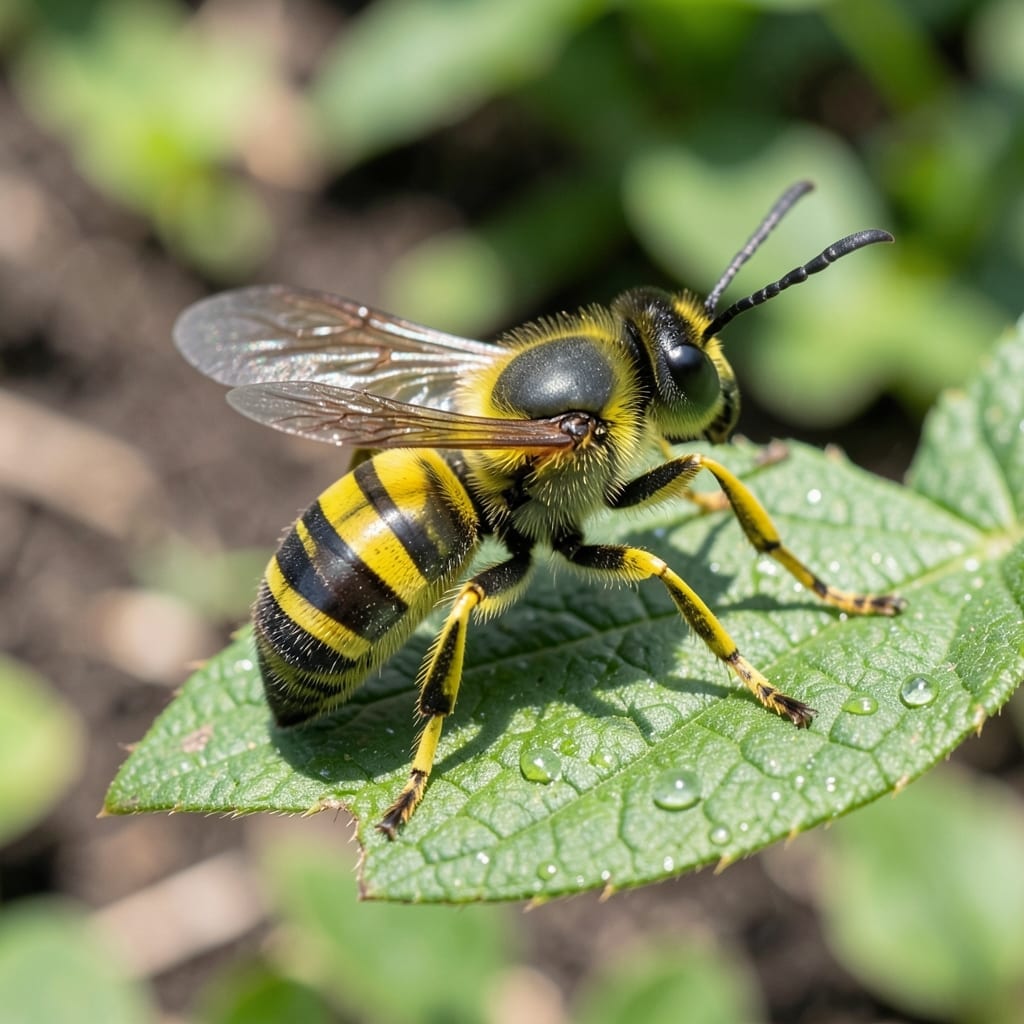
Yellow jackets ruined my summer barbecue last year. Twice. The aggressive stingers swarmed our patio, making it impossible to enjoy the space we worked so hard to create.
I learned the hard way that these pests aren’t just annoying—they’re territorial and will attack if they feel threatened. The key is acting early before their colony grows to hundreds or even thousands of workers.
Natural removal works, but timing and technique matter. You’ll need to locate the nest (often underground), treat at dusk when they’re less active, and use methods that don’t harm beneficial pollinators.
This approach keeps your garden safe for kids, pets, and peaceful afternoons. No harsh chemicals required.
Yellow jackets don’t just appear out of nowhere—they’re drawn to your space for very specific reasons. Understanding these triggers can help you address the root of the problem before it escalates. Here’s why these aggressive wasps might be crashing your outdoor gatherings or nesting near your home:
Yellow jackets are scavengers with a strong preference for proteins and sugars. Unlike bees, which pollinate flowers, yellow jackets are carnivorous and actively seek out meat, fish, and sweet substances. Picnics, uncovered trash cans, pet food left outside, or even fallen fruit from trees act like a buffet for them. Their sense of smell is highly tuned to detect these food sources from hundreds of feet away, making your backyard a prime target.
These wasps build paper nests from chewed wood fibers mixed with saliva, often in hidden, protected locations. Common nesting spots include:
They prefer areas that are dry, warm, and undisturbed, which is why they might choose your shed or deck over an open field.
Yellow jacket populations explode in late summer and early fall due to two key factors: colony maturity and food scarcity. As temperatures rise, colonies grow rapidly, and worker wasps become more aggressive in their search for sustenance. Additionally, natural food sources (like insects and nectar) dwindle, driving them toward human environments where food is plentiful. This seasonal shift is why infestations often peak during August and September.
Like all living creatures, yellow jackets need water to survive. Puddles, leaky hoses, pet water bowls, or even damp soil can attract them. They’ll collect water to cool their nests and hydrate their larvae, so eliminating standing water can make your property less appealing.
Dealing with yellow jackets requires targeted action based on the root cause. Below are practical fixes for common scenarios, along with prevention tips to keep them from returning.
Yellow jackets are drawn to proteins and sugars. Cover trash cans with tight-fitting lids and clean up spills immediately, especially from sodas, meats, or pet food. If dining outside, use lids on drinks and avoid leaving food uncovered. Prevention tip: 💡 Rinse recycling bins regularly to eliminate residue.
If wasps are nesting in walls, eaves, or attics, locate the nest at dusk (when they’re less active) and apply pesticide dust or foam labeled for wasps directly into the entrance. For underground nests, pour soapy water into the hole to drown them. Prevention tip: 🎯 Seal cracks in siding, roof gaps, and utility openings in early spring to deter nesting.
For nests in trees or shrubs, use commercial wasp traps baited with protein (like tuna) in spring or sugar (like juice) in summer. Place traps 20+ feet from activity areas to avoid luring more wasps. For large nests, call a professional. Prevention tip: ✨ Hang fake nests (available online) early in the season—yellow jackets are territorial and may avoid the area.
If wasps are swarming, freeze and slowly back away—swatting or running triggers attacks. Wear light-colored clothing and avoid floral prints outdoors. Prevention tip: 🌡️ Keep outdoor eating areas clean and store ripe fruit indoors to reduce attractants.
Treat nests at dusk or night when wasps are less active and most are inside. This reduces the risk of stings and ensures better results.
Yes! Soapy water drowns wasps instantly for underground nests. Peppermint oil or cucumber slices can repel them from areas. Always test small batches first.
Seal cracks in walls and roofs by early spring. Keep food covered outdoors and remove standing water. Hang fake nests to deter new colonies.
For large nests or hard-to-reach areas, yes. Professionals have protective gear and stronger treatments. DIY works for small, accessible nests.