
Beautiful Plants For Your Interior
Beautiful Plants For Your Interior
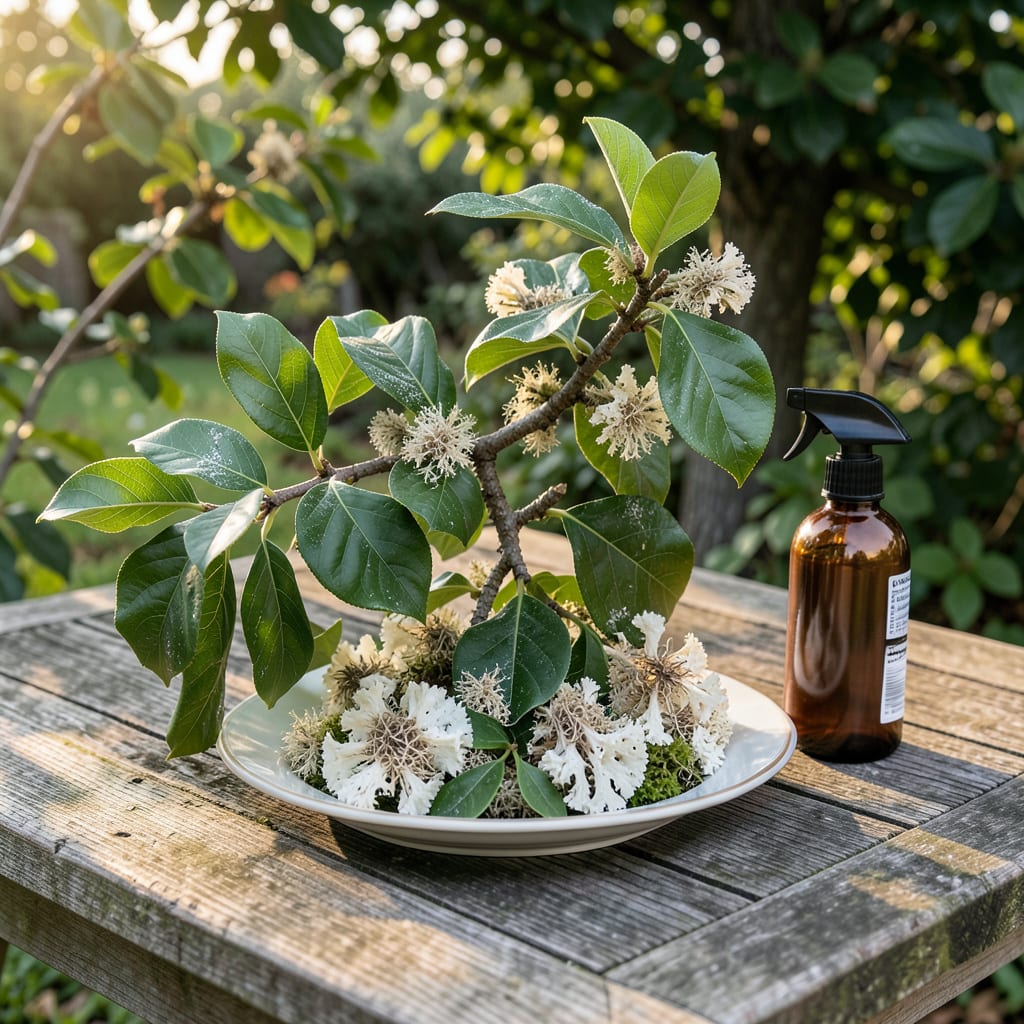
White powder on your crepe myrtle leaves isn’t just unsightly—it’s stealing your tree’s vigor. I’ve battled this fungal foe in my own yard and learned it’s more about prevention than cure. The good news? You can turn this around.
This issue thrives in damp, still conditions, so improving airflow is your first defense. A simple pruning session and clearing fallen debris makes a shocking difference. Natural sprays work too, but timing is everything.
Within 2-3 weeks of consistent treatment, you’ll see new growth emerging clean and healthy. The key is catching it early before it spreads to every branch and bloom.
Works for young saplings and mature trees alike. Let’s restore your crepe myrtle’s glory.
White fungus on crepe myrtles, often powdery mildew (Erysiphe spp.) or sooty mold, doesn’t appear out of nowhere. It thrives under specific conditions that stress the tree or create an ideal environment for spores to spread. Below are the primary causes, explained with actionable insights.
Powdery mildew spores germinate in relative humidity above 60%, especially when combined with stagnant air. Crepe myrtles planted too closely together, or in shaded areas with limited airflow, trap moisture on leaves. This creates a breeding ground for fungal growth. Prune dense canopies and space plants 6–10 feet apart to improve circulation.
Warm days (70–80°F) followed by cool, dewy nights (50–60°F) are prime for powdery mildew. These temperature swings slow leaf drying, prolonging the dampness fungi need to infect. Water in the morning so foliage dries quickly, and avoid overhead irrigation to reduce surface moisture.
Splashing water from sprinklers or rain spreads spores and keeps leaves wet. Wet foliage for 6+ hours significantly increases infection risk. Switch to drip irrigation or soaker hoses to deliver water directly to the roots, keeping leaves dry.
Excess nitrogen (from over-fertilizing) promotes soft, succulent growth that’s more susceptible to fungi. Conversely, low phosphorus or potassium weakens the tree’s natural defenses. Test soil annually and use a balanced, slow-release fertilizer (e.g., 10-10-10) to maintain vigor.
Fallen leaves, dead branches, or unpruned suckers harbor fungal spores over winter. When spring rains arrive, spores splash onto new growth, restarting the cycle. Rake and destroy leaf litter in fall, and sterilize pruning tools with rubbing alcohol to prevent cross-contamination.
White fungus on crepe myrtle is manageable with the right approach. Below are targeted fixes for common causes, plus tips to keep your tree healthy long-term.
Fix: Reduce watering frequency—crepe myrtles thrive on deep but infrequent watering. Ensure the soil drains well; amend heavy clay with compost or sand. If the area stays soggy, consider installing a French drain or redirecting downspouts.
Prevention: Water at the base (not leaves) early in the day so foliage dries quickly. Mulch around the tree (2–3 inches deep) to retain moisture without waterlogging roots.
Fix: Prune dense branches to improve airflow, focusing on the center of the tree. Remove any weeds or debris at the base to reduce trapped moisture. For severe cases, apply a copper fungicide (follow label instructions) to infected areas.
Prevention: Space crepe myrtles at least 10–15 feet apart. Thin out crowded branches annually in late winter.
Fix: Remove and destroy (do not compost) infected leaves, bark, or pruned material. Sterilize pruning tools with rubbing alcohol between cuts. For powdery mildew, spray leaves with a mix of 1 tbsp baking soda + 1 tsp dish soap + 1 gallon water every 7–10 days until cleared.
Prevention: Rake fallen leaves and debris regularly. Avoid overhead irrigation to limit spore dispersion.
Fix: Boost vigor with a balanced fertilizer (10-10-10) in early spring. If the fungus persists, test soil pH (ideal: 6.0–6.5) and adjust with lime (to raise pH) or sulfur (to lower it).
Prevention: Fertilize lightly in spring and summer, but stop by late summer to avoid tender new growth before winter. Pro tip 🎯: Drought-stressed trees are more vulnerable—water deeply during dry spells.
For baking soda or neem oil sprays, apply every 7-10 days until the fungus clears. Always spray in the morning so leaves dry quickly.
Yes! Prune to improve airflow, removing crowded branches in late winter. This reduces humidity around the tree, making conditions less favorable for fungus.
No. Destroy infected material—never compost it. Composting can spread spores back to your garden. Burn or bag and discard them instead.
Water early in the morning so foliage dries by midday. Avoid evening watering, which leaves leaves damp overnight, promoting fungal growth.
