
Beautiful Plants For Your Interior
Beautiful Plants For Your Interior
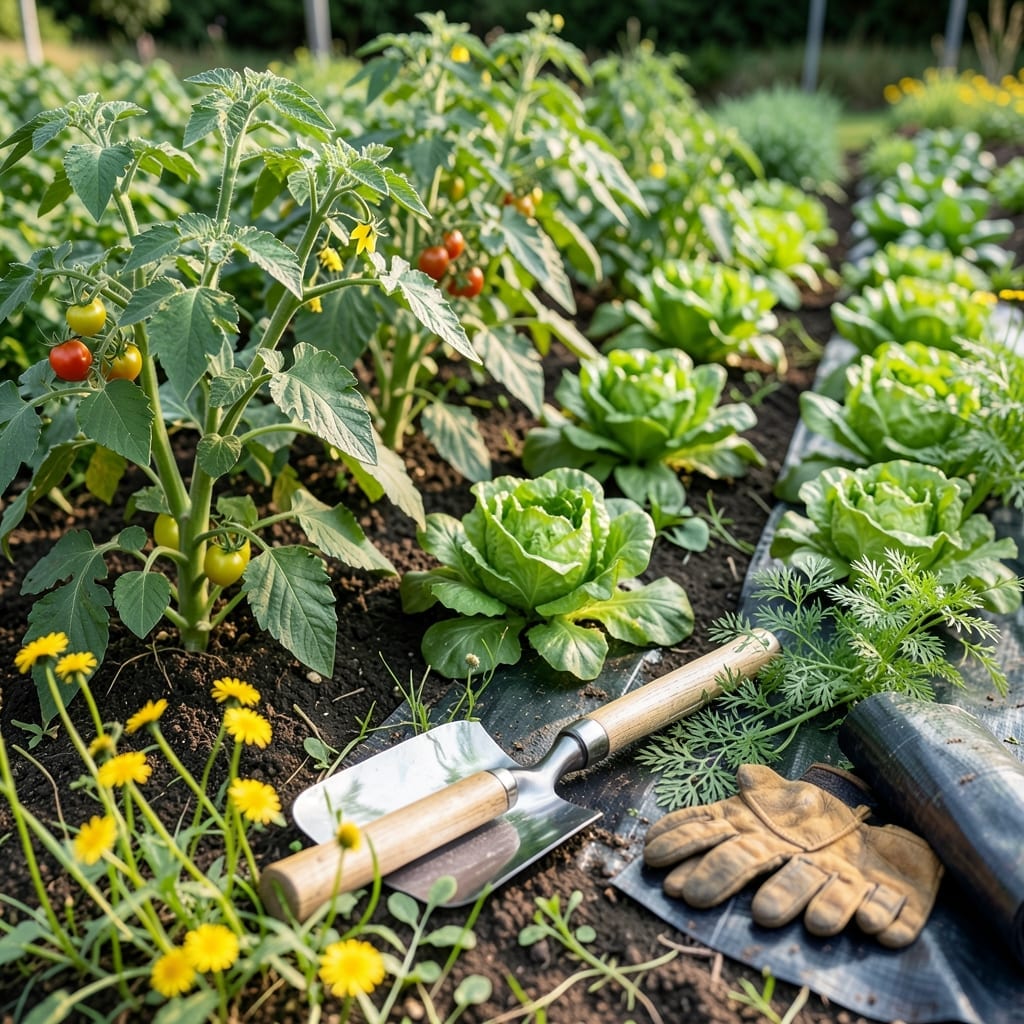
Weeds stole my cucumber harvest last summer. Plain and simple. They choked out the plants before I even noticed the damage.
I tried every shortcut—pulling by hand, store-bought sprays, even laying down newspaper. Nothing worked until I switched to a 3-step system that targets weeds without harming vegetables.
Now my beds stay clean with 10 minutes of daily maintenance. The soil improves each season, and my plants actually have room to grow.
Works for any garden size, from containers to half-acre plots. Here’s how to take back your space.
Understanding why weeds appear in your vegetable garden is the first step to keeping them at bay. Weeds aren’t just a nuisance—they’re opportunists that thrive under specific conditions. Below, we break down the most common causes so you can tackle the root of the problem.
Empty spaces in your garden are like an open invitation for weeds. Without plants or mulch to block sunlight, weed seeds in the soil germinate rapidly. Sunlight triggers photosynthesis in these seeds, giving them the energy to sprout. Actionable fix: Use dense plantings or organic mulch (like straw or wood chips) to cover bare soil and suppress weed growth.
Weeds love moisture just as much as your veggies do. Overwatering or poorly drained soil creates the perfect damp environment for weeds like chickweed or purslane to flourish. Additionally, water can carry weed seeds from other areas into your garden. Actionable fix: Water deeply but infrequently, and ensure your garden has proper drainage to avoid standing water.
Every time you till or dig, you bring dormant weed seeds closer to the surface, where light and air can trigger germination. Many weeds, such as lambsquarters and pigweed, have seeds that can lie dormant for years until disturbed. Actionable fix: Opt for no-till gardening methods or use a hoe to lightly disturb only the top layer of soil when necessary.
Weed seeds are incredibly mobile. Wind can carry them from neighboring yards or wild areas, while birds and small animals can drop seeds in their waste. Even your gardening tools or purchased compost can introduce weeds if they’ve been contaminated. Actionable fix: Clean tools regularly, use weed-free compost, and create a windbreak if your garden is exposed to gusty conditions.
Tackling weeds in your vegetable garden starts with understanding the root causes and applying targeted fixes. Here’s how to address common issues and keep your garden thriving.
If weeds are spreading due to sparse plant coverage, mulch heavily with organic materials like straw or wood chips. This blocks sunlight and suppresses weed growth. Prevention tip: Space your vegetables properly to shade the soil naturally, leaving less room for weeds to sprout. 💡
Excess moisture encourages weed seeds to germinate. Amend your soil with compost or sand to enhance drainage. Raise garden beds if water pooling is an issue. Prevention tip: Water your plants early in the day so the soil dries out by evening, discouraging weed growth. 🌧️
Weeds often outcompete your veggies for nutrients. Plant clover or creeping thyme as living mulches to crowd out weeds while enriching the soil. Prevention tip: Regularly fertilize your garden to ensure your vegetables stay strong and competitive. 🌱
Letting weeds grow unchecked makes them harder to remove. Pull weeds by hand or use a hoe weekly to keep them in check. Prevention tip: Set a consistent weeding schedule (e.g., every Saturday morning) to stay on top of it. ⏰
Tilling can bring buried weed seeds to the surface. Switch to no-till methods to minimize disruption. Layer compost on top of the soil to smother weeds and improve fertility. Prevention tip: Avoid overworking the soil—let it rest and recover between plantings. ✨
Early morning or after rain, when soil is moist, makes pulling easier. Roots come out intact, reducing regrowth. Avoid midday heat to prevent stress on your plants.
Yes, but apply carefully with a spray bottle to avoid hitting your plants. A mix of 1 gallon vinegar, 1 cup salt, and 1 tablespoon dish soap works well. Reapply as needed.
Refresh mulch every 4-6 weeks to maintain a 2-3 inch layer. Use organic materials like straw or grass clippings for best results. This blocks sunlight and retains moisture.
Weed seeds can lie dormant for years. If you’re not removing roots completely or using preventive measures like mulch, they’ll regrow. Try a pre-emergent herbicide for stubborn areas.