
Beautiful Plants For Your Interior
Beautiful Plants For Your Interior
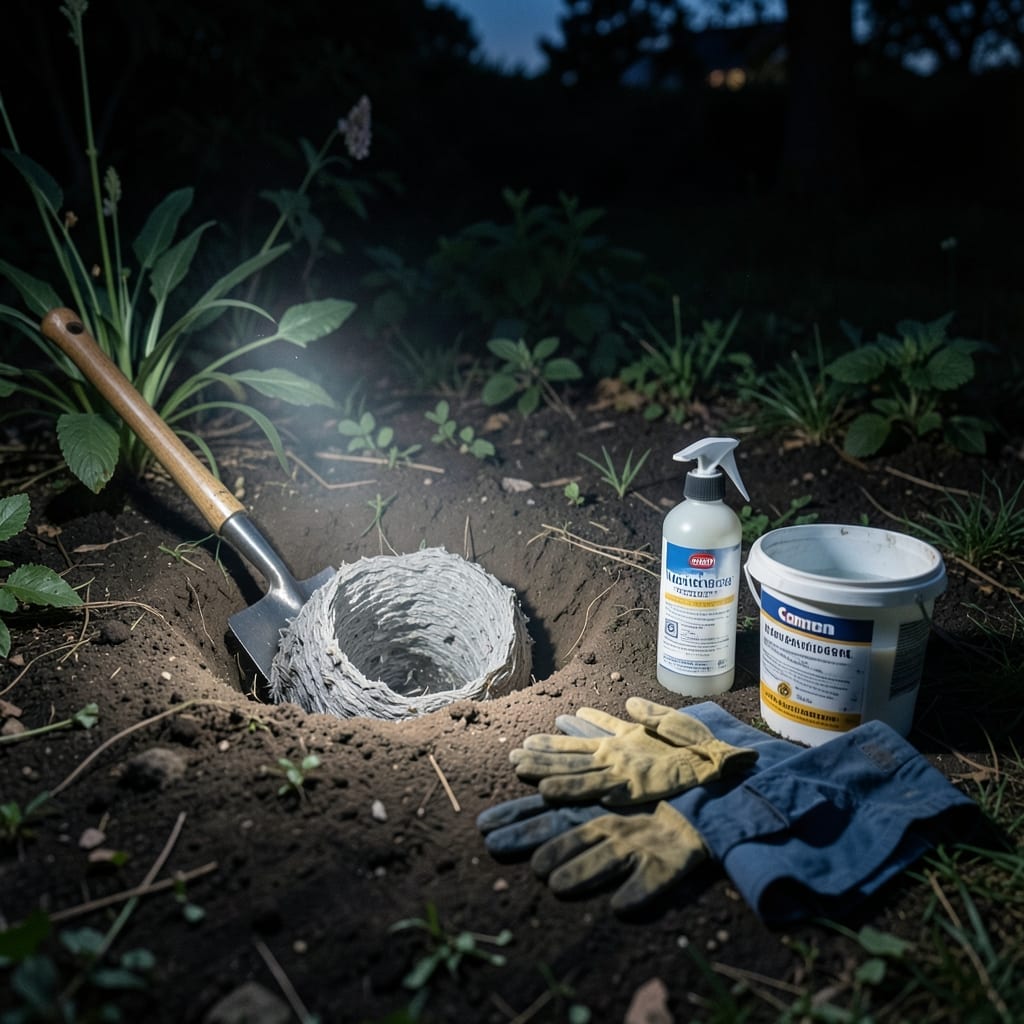
I spotted my first yellow jacket nest last summer while mowing. The ground literally vibrated beneath my feet, and I knew I had a problem that needed immediate attention.
Underground nests are tricky because they’re hidden until they’re not. The key is acting fast but smart—these insects defend their homes aggressively. I learned the hard way that DIY solutions often backfire.
You’ll want a plan that removes the threat without putting you at risk. The right approach means no stings, no returning swarms, and peace of mind restored to your yard.
Works for nests under patios, in lawns, or near garden beds. Here’s the safest way to reclaim your space.
Understanding why yellow jackets establish underground nests is key to preventing and addressing infestations. These aggressive wasps don’t choose subterranean sites randomly—their behavior is driven by biology, survival instincts, and environmental conditions. Below are the primary reasons why you might find a nest burrowing beneath your lawn or garden.
Yellow jackets prioritize safety and stability for their colonies. Underground cavities, such as abandoned rodent burrows or loose soil, provide excellent insulation from temperature extremes, predators, and harsh weather. Unlike aerial nests, subterranean ones are less exposed to wind, rain, and direct sunlight, which helps regulate the internal temperature—critical for larval development.
These wasps are scavengers and hunters, feeding on proteins (insects, carrion) and carbohydrates (nectar, fruit, human food). Underground nests are often built near high-traffic areas like picnic spots, garbage bins, or gardens where food is abundant. A lawn with frequent human activity or unsecured trash can inadvertently signal an ideal location for a colony to thrive.
Yellow jackets are opportunistic builders. They frequently repurpose abandoned burrows from mammals (e.g., gophers, mice) or soft, loosely packed soil that’s easy to dig. If your yard has poorly compacted soil or existing tunnels, it becomes a prime target. The queen can quickly establish a nest with minimal effort, accelerating colony growth.
In spring, fertilized queens emerge from winter hibernation and seek secure sites to lay eggs. Underground locations offer the humidity and darkness needed for the first brood to develop rapidly. By late summer, colonies can grow to thousands of workers, all sustained by the nest’s protected environment. This cycle repeats annually, making early detection crucial.
Dealing with an underground yellow jacket nest requires caution, but these practical solutions can help you reclaim your yard safely and effectively.
Yellow jackets are less active at night, making it the ideal time to strike. Mix 1-2 tablespoons of dish soap into a spray bottle filled with water. The soap breaks down their exoskeletons, causing them to dehydrate. Spray the nest entrance directly and generously—this works best for smaller nests. For larger colonies, you may need to repeat the process over a few nights.
For a more potent approach, use insecticidal dust labeled for ground-nesting wasps. Wear protective clothing, and in the evening, puff the dust into the nest entrance using a duster. The workers will spread it throughout the colony. Seal the entrance with a small rock or cork afterward to trap them inside. Results may take 24-48 hours.
Boil a gallon of water and pour it slowly and carefully into the nest entrance during the evening. The heat will kill the larvae and many adults on contact. Warning: This may not reach the queen, so monitor the area for renewed activity and repeat if necessary.
Always prioritize safety—if the nest is large or you’re allergic, call a professional pest control service.
Evening or night is ideal, as yellow jackets are less active. They return to the nest at dusk, so you’ll catch most of the colony inside. Avoid treating during the day when they’re aggressive.
Watch the entrance for 10-15 minutes during daylight. If you see constant traffic, the nest is active. No movement for 24-48 hours after treatment usually means it’s been eliminated.
Some DIY methods like soap and water work for small nests, but household cleaners aren’t designed for this. For large or persistent nests, use products labeled for wasps to ensure effectiveness and safety.
Absolutely not. Even with precautions, stings can happen. Call a professional pest control service immediately—your safety isn’t worth the risk.