
Beautiful Plants For Your Interior
Beautiful Plants For Your Interior
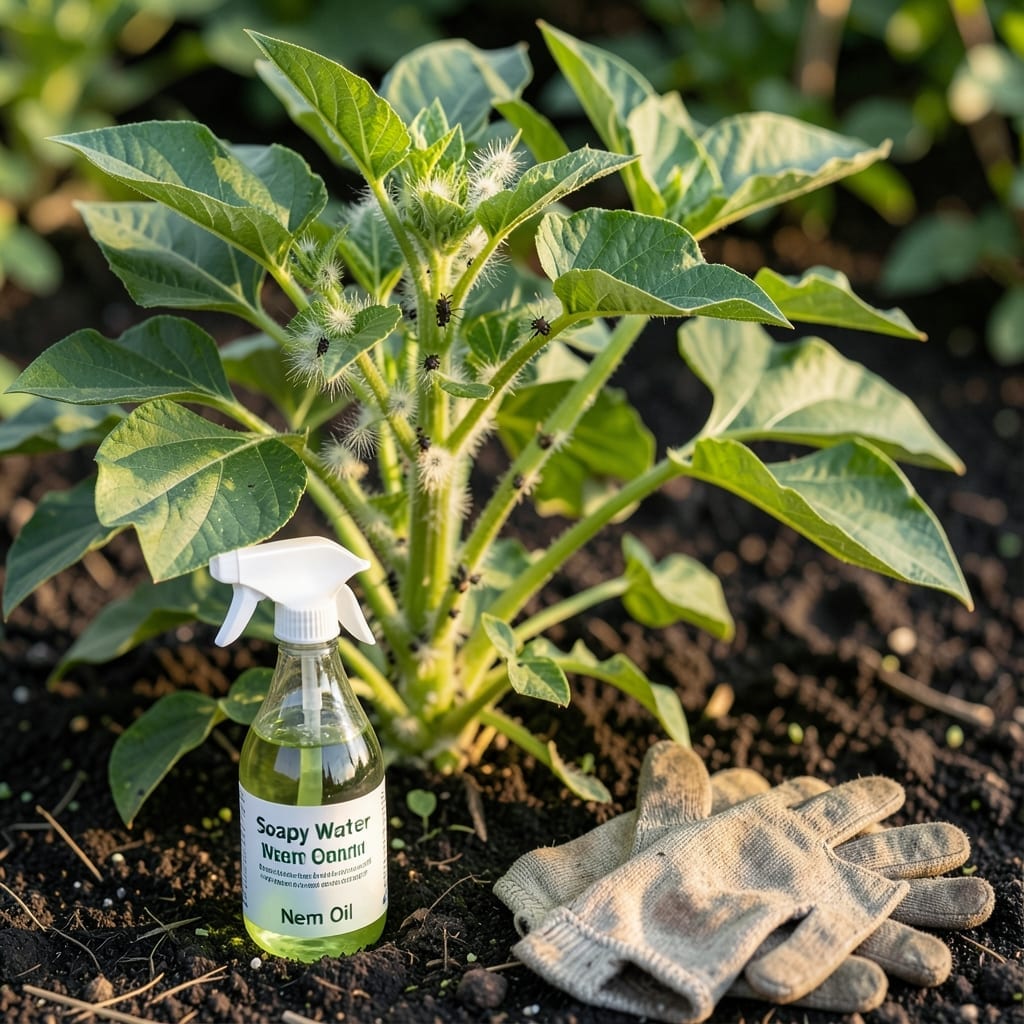
Those frothy white blobs on your plants aren’t just ugly—they’re spittlebugs hiding in plain sight. I first noticed them on my roses last spring, and ignoring them turned a small issue into a full-blown infestation.
Here’s the thing—these pests suck plant sap while their foam protects them from predators and sprays. The damage shows as stunted growth and yellowing leaves, but the eco-friendly solutions work better than harsh chemicals.
You’ll see results within 24-48 hours using simple sprays you can mix at home. The plants bounce back fast once the spittlebugs are gone.
Works for flowers, vegetables, and shrubs alike. No fancy equipment needed—just consistency.
Spittlebugs, those tiny sap-sucking pests, don’t just appear randomly—they’re drawn to your plants for specific reasons. Understanding why they infest helps you prevent future outbreaks. Below are the primary causes, backed by science and gardening best practices.
Spittlebugs thrive on soft, new growth and stressed plants. Over-fertilized or rapidly growing plants produce excessive sap, which is a spittlebug’s favorite food. Conversely, underwatered or nutrient-deficient plants are also vulnerable because their weakened state reduces natural defenses, like tougher cell walls or bitter compounds.
These pests love humidity. Spittlebug nymphs create their signature foam as a protective barrier against desiccation, but they’re most active in damp, shaded areas. Overwatering, poor drainage, or dense plant canopies create the perfect microclimate for them to multiply.
In balanced ecosystems, beneficial insects like ladybugs, lacewings, and parasitic wasps keep spittlebug populations in check. If your garden lacks biodiversity—or if you’ve used broad-spectrum pesticides—you’ve likely wiped out these allies, giving spittlebugs free rein.
Planting large swaths of a single species (e.g., a lawn of only one grass type or a bed of just roses) creates a buffet for pests. Spittlebugs can easily hop from plant to plant without encountering resistance. Diversifying with companion plants disrupts their feeding patterns.
Spittlebugs can be a nuisance, but these practical solutions will help you reclaim your plants without harsh chemicals. Here’s how to tackle the problem based on the cause:
If you spot only a few spittlebugs, the simplest fix is to remove them by hand. Wear gloves and drop the bugs into a bucket of soapy water to ensure they don’t return. Check the undersides of leaves and stems, where they often hide. This method is most effective in the early stages of an infestation.
For a larger but manageable problem, homemade sprays can work wonders. Mix 1 teaspoon of mild dish soap with 1 quart of water and spray it directly onto the bugs and affected areas. The soap disrupts their cell membranes, killing them on contact. Alternatively, a neem oil solution (1 tablespoon of neem oil + 1 teaspoon of dish soap + 1 quart of water) acts as both a repellent and a treatment. Apply in the early morning or late evening to avoid harming beneficial insects like bees.
When spittlebugs have taken over, prune heavily infested plant parts and dispose of them in sealed bags to prevent further spread. Isolate the affected plants to protect the rest of your garden. If the problem persists, consider introducing natural predators like birds, lacewings, or parasitic wasps, which feed on spittlebugs.
With these steps, you can effectively control spittlebugs and keep your plants thriving naturally!
Spittlebug nymphs are small, green or brown, and wedge-shaped. Adults resemble tiny cicadas with jumping hind legs.
Mild dish soap diluted in water is safe for most plants. Use 1 teaspoon per quart and rinse leaves after 2-3 hours to prevent residue.
Reapply every 4-7 days or after rain. Neem oil works best with consistent use over 2-3 weeks.
Yes, they can hop or be carried by wind. Isolate infested plants and treat promptly to prevent spread.