
Beautiful Plants For Your Interior
Beautiful Plants For Your Interior
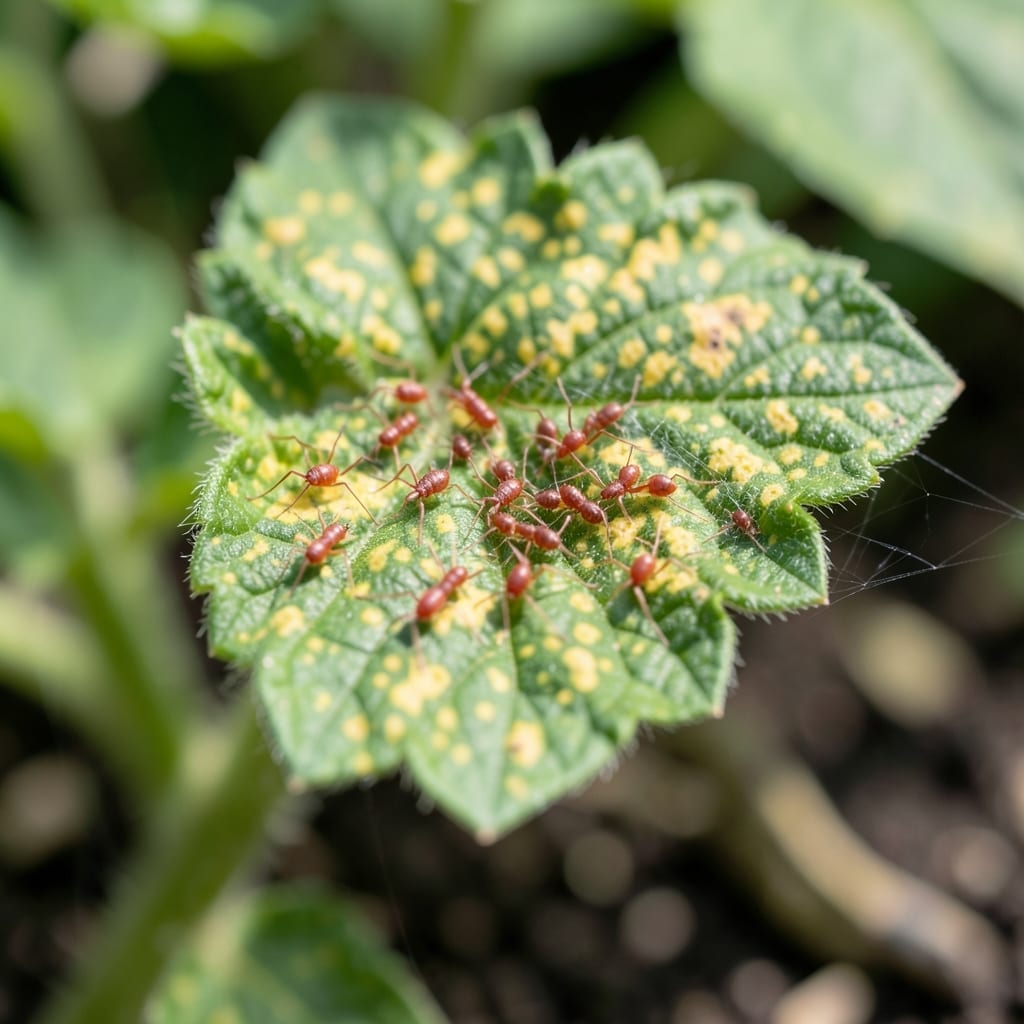
Tiny red dots moving on your plant leaves spell trouble. 🌿 I spotted my first spider mite outbreak after a particularly dry week, and those pests spread faster than I expected.
These barely-visible invaders thrive in hot, dry conditions, sucking plant juices and leaving behind that telltale webbing. The damage looks like yellow or bronze stippling on leaves, often starting on the undersides where they hide.
You can fight back with a strong blast of water from the hose to knock them off, or introduce beneficial predators like ladybugs. Neem oil works too, but you have to apply it consistently for 2-3 weeks.
Prevention is simpler than cure—keep plants well-watered and mist leaves regularly to create a less inviting environment for these pests.
Spider mites thrive outdoors due to a few key environmental and biological factors. Understanding these causes helps you prevent and target them effectively.
Spider mites love heat and low humidity. When temperatures rise above 80°F (27°C) and the air is dry, they reproduce rapidly—sometimes doubling their population in just a few days. Drought-stressed plants are especially vulnerable, as their weakened defenses make them easy targets.
Plants grown too close together create a humid microclimate that traps mites. Additionally, stressed plants (from poor soil, lack of water, or nutrient deficiencies) emit chemical signals that attract pests like spider mites. They’re nature’s way of culling the weak—but not on your watch!
Fallen leaves, dead plant matter, and weeds provide shelter and breeding grounds for spider mites. These areas protect them from predators and harsh weather, allowing colonies to grow unchecked. A tidy garden is your first line of defense.
In a balanced ecosystem, beneficial insects like ladybugs, lacewings, and predatory mites keep spider mite populations in check. If your garden lacks biodiversity—perhaps due to pesticide overuse—mite numbers can explode without natural controls.
Spider mites can be stubborn, but these targeted solutions will help you reclaim your garden. Address the root causes and apply fixes methodically for the best results.
Spider mites thrive in dry environments. Mist plants regularly with water, especially the undersides of leaves where mites hide. For a more consistent solution, use a soaker hose or drip irrigation to maintain moisture levels. Grouping plants together can also create a microclimate with higher humidity.
If you spot webbing or discoloration, prune affected leaves and stems immediately and dispose of them in sealed bags to prevent spread. For severely infested plants, remove them entirely to protect the rest of your garden. Always sanitize pruning tools with rubbing alcohol after use.
Encourage beneficial insects like ladybugs, lacewings, and predatory mites that feed on spider mites. Plant dill, fennel, or marigolds to attract these helpers. You can also purchase ladybugs or neem oil (a natural miticide) from garden centers for a quick boost.
Healthy plants resist pests better. Fertilize regularly with organic compost or balanced plant food, and ensure proper watering and drainage. Avoid overusing nitrogen-heavy fertilizers, which can attract mites.
Apply neem oil or insecticidal soap every 5-7 days for 2-3 weeks to break the mite life cycle. Consistency is key—stopping too soon allows survivors to repopulate.
Heavy rain can reduce effectiveness. Reapply natural sprays like horticultural oil after rainfall. For chemical miticides, check the label for rainfastness details.
Yes, but dilute 1 teaspoon of mild dish soap per 1 quart of water. Avoid soaps with degreasers or additives. Test on a few leaves first to check for damage.
Isolate infested plants immediately and prune affected areas. A strong water spray can knock mites off leaves, but combine this with other treatments for best results.