
Beautiful Plants For Your Interior
Beautiful Plants For Your Interior
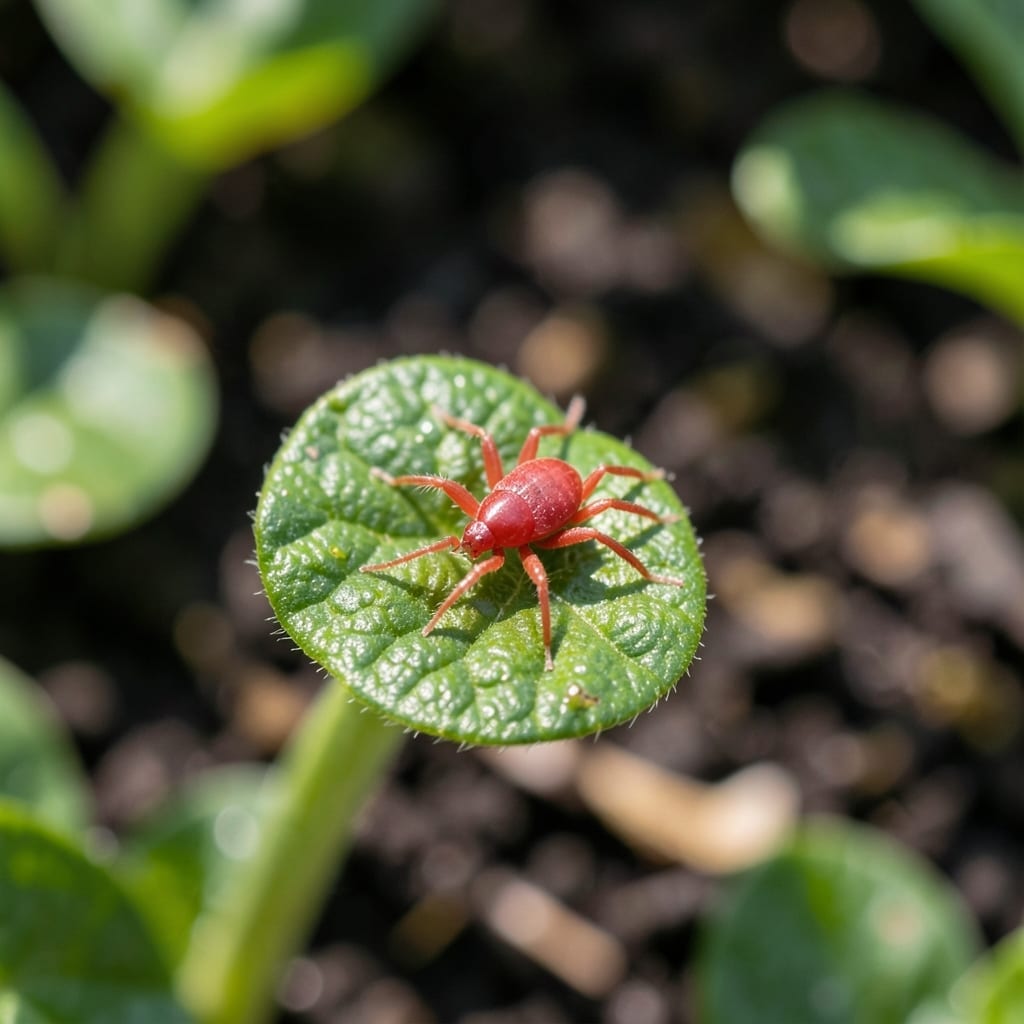
Red clover mites turned my lawn into a moving red carpet last spring. Tiny but relentless, these pests multiply fast and can overwhelm grass, gardens, and even sidewalks in 48 hours if left unchecked.
I tried ignoring them once. Bad idea. They stained my patio furniture, killed patches of grass, and made outdoor time miserable. The fix isn’t complicated—just consistent. Natural solutions work best if you catch them early.
You’ll reclaim your lawn faster than you think. A few targeted treatments, some preventive habits, and those red specks disappear. The key is acting before they spread to your flower beds.
Works for any yard size, from postage-stamp plots to sprawling acres. Here’s the battle plan.
Red clover mites thrive in specific conditions, often appearing in large numbers when their ideal habitat is present. Understanding the root causes can help you prevent infestations before they start. Below are the primary reasons these pests take over your lawn or garden.
Red clover mites are drawn to thick, lush vegetation, especially clover, grass, and weeds. These areas provide ample food sources (like plant sap) and shelter from predators. Overgrown lawns or untended garden beds create the perfect breeding ground, allowing populations to explode unchecked.
Like many pests, red clover mites love damp environments. Overwatering, poor drainage, or heavy rainfall can saturate the soil, creating a humid microclimate. This moisture not only sustains the mites but also promotes the growth of mold and fungi, which they feed on. Lawns with thatched layers or compacted soil are especially vulnerable.
These mites are most active in spring and fall, when temperatures range between 60–80°F (15–27°C) and humidity is high. Unlike many pests, they remain active year-round in warmer climates, only slowing down during extreme heat or cold. A prolonged mild season can lead to multiple generations hatching, worsening the infestation.
In a balanced ecosystem, beneficial insects like ladybugs, lacewings, and predatory mites keep red clover mite populations in check. However, pesticide overuse or a lack of biodiversity can eliminate these natural enemies, allowing the mites to multiply without resistance. Organic lawns with diverse plant life are less likely to experience severe outbreaks.
Red clover mites can be a nuisance, but with the right approach, you can reclaim your lawn. Below are targeted solutions for common causes, along with prevention tips to keep them from returning.
Tall grass provides the perfect hiding spot for red clover mites. Mow your lawn regularly, keeping the grass at a height of 2–3 inches. This reduces shade and moisture, making your yard less inviting. Prevention tip: Aerate your lawn annually to improve drainage and discourage mite activity.
Red clover mites thrive in damp environments. Fix poor drainage by grading your yard or installing French drains. If the issue is minor, water your lawn early in the day so it has time to dry. Prevention tip: Avoid overwatering—stick to 1–1.5 inches of water per week, including rainfall.
Leaves, mulch, and grass clippings create cozy habitats for mites. Rake and remove debris weekly, especially in fall and spring. Prevention tip: Use a mulching mower to finely chop clippings, which decompose faster and are less likely to harbor pests.
Red clover mites often appear in lawns with poor soil health. Test your soil’s pH and nutrient levels—aim for a slightly acidic to neutral pH (6.0–7.0). Apply lime or sulfur as needed, and fertilize with nitrogen to strengthen grass. Prevention tip: Top-dress with compost annually to boost soil biodiversity and resilience.
Harsh pesticides can kill beneficial organisms, leading to mite outbreaks. Switch to natural remedies like neem oil or diatomaceous earth, which disrupt mite life cycles without harming your lawn. Prevention tip: Encourage natural predators (e.g., ladybugs, lacewings) by planting pollinator-friendly flowers nearby.
By addressing the root causes and staying proactive, you can keep red clover mites at bay and enjoy a lush, healthy lawn.
They don’t bite people or animals, but they can crawl on skin, which feels unpleasant. Pets may try to eat them, so keep dogs and cats away from infested areas during treatment.
Red clover mites reproduce rapidly, with populations exploding in 2-3 days under ideal conditions. A small cluster can become a full infestation in under 1 week if untreated.
Yes, if conditions remain favorable. Always combine treatment with prevention like improving drainage and removing organic debris.
Diatomaceous earth works within 24-48 hours when applied to dry, affected areas. For severe cases, insecticidal soap provides quick knockdown.