
Beautiful Plants For Your Interior
Beautiful Plants For Your Interior
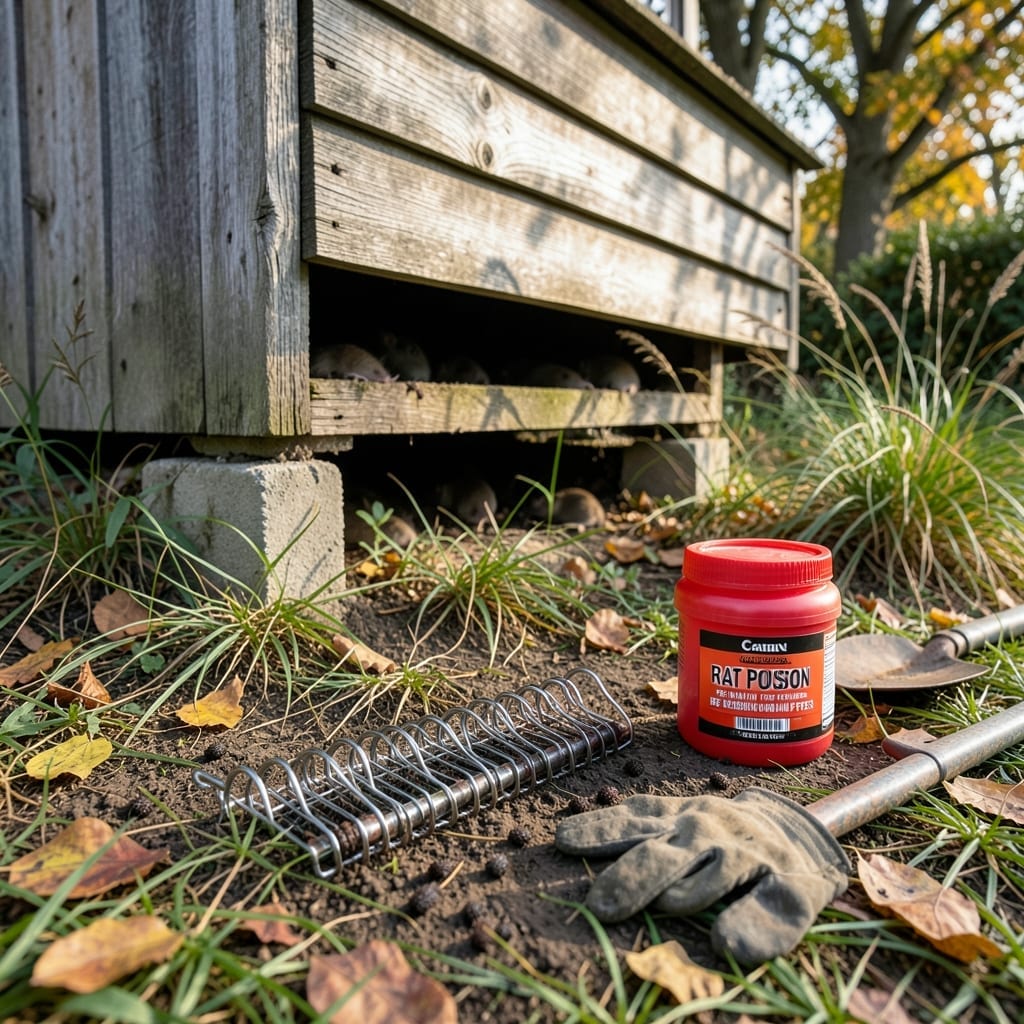
Nothing ruins a garden faster than discovering rats under your shed. I’ve dealt with this exact problem, and the solution starts with understanding why they’re there in the first place.
These pests seek shelter, food, and water—your shed provides all three. The good news is, you can evict them without harsh chemicals using simple, humane traps and some strategic adjustments to your outdoor space.
Once they’re gone, a few prevention steps keep them from returning. Sealing entry points, removing attractions, and maintaining cleanliness makes your shed rat-proof for good.
Your garden—and your peace of mind—will thank you. Here’s how to take back your space.
Rats are drawn to sheds for a few key reasons, all tied to their basic survival needs: shelter, food, and safety. Understanding these factors can help you address the root of the problem.
Sheds provide an ideal environment for rats to nest. They offer protection from predators, harsh weather, and temperature extremes. Rats prefer dark, undisturbed spaces like gaps under flooring, behind stored items, or in piles of debris. Wooden or poorly sealed sheds are especially vulnerable, as rats can gnaw through weak spots to create entry points.
Rats are opportunistic feeders and will exploit any available food. Sheds often store birdseed, pet food, garden supplies, or compost, all of which attract rodents. Even small spills or improperly sealed containers can sustain a rat infestation. Additionally, nearby trash bins or unsecured garbage can lure them closer to your property.
Unlike outdoor spaces where rats face threats from owls, snakes, or other predators, sheds offer a low-risk habitat. Infrequent human activity—such as seasonal storage or neglected maintenance—gives rats the confidence to settle in. Overgrown vegetation around the shed can also provide cover, making it easier for them to move undetected.
Rats need water to survive, and sheds near leaky pipes, standing water, or damp areas become prime targets. Even condensation from stored tools or puddles from rainwater can meet their hydration needs. Eliminating moisture sources is critical to making your shed less appealing.
Dealing with rats under your shed doesn’t have to be a losing battle. The key is to tackle both the infestation and the conditions that attracted them in the first place. Below are practical, step-by-step solutions mapped to common causes, plus prevention tips to keep them from returning.
Rats squeeze through tiny gaps, so inspect your shed’s foundation, walls, and roof for cracks or holes. Use steel wool, hardware cloth, or caulk to seal openings larger than a quarter-inch. Pay extra attention to areas where utility lines enter the shed. For larger gaps, consider installing metal flashing around the base.
Prevention tip: 💡 Trim overgrown vegetation near the shed—rats use it as a highway to your property.
Rats are drawn to pet food, birdseed, compost, and even fallen fruit. Store pet food and birdseed in airtight metal or thick plastic containers, and keep compost bins sealed. Clean up spilled seeds or fruit daily, and avoid leaving garbage bags near the shed.
Prevention tip: 🎯 Use a shed with an elevated floor or add a gravel barrier around it to deter digging.
Standing water or damp areas attract rats looking for a drink. Fix leaky spigots, ensure proper drainage around the shed, and store firewood at least 18 inches off the ground. If your shed has a dirt floor, consider laying down a moisture barrier or concrete slab.
Prevention tip: ✨ Use dehumidifiers or moisture absorbers inside the shed to keep it dry.
Clutter inside or around the shed gives rats plenty of hiding spots. Declutter regularly, and store items in elevated racks or sealed bins. If rats have already nested, use humane traps (like live cages) to relocate them before sealing entry points.
Prevention tip: 🌡️ Install motion-activated lights or ultrasonic repellents to deter rats from settling in.
Use humane live traps baited with peanut butter or dried fruit. Check traps every 12 hours and release rats at least 2 miles away to prevent return.
Mothballs are ineffective and toxic to pets and wildlife. Instead, use peppermint oil-soaked cotton balls near entry points for a natural deterrent.
Check for new gaps or signs of activity monthly. Focus on the foundation, corners, and areas around pipes or wires where rats can chew through.
Rats can’t chew through thick metal, but they’ll gnaw on thin aluminum or weak spots. Use hardware cloth or steel mesh for lasting protection.