
Beautiful Plants For Your Interior
Beautiful Plants For Your Interior
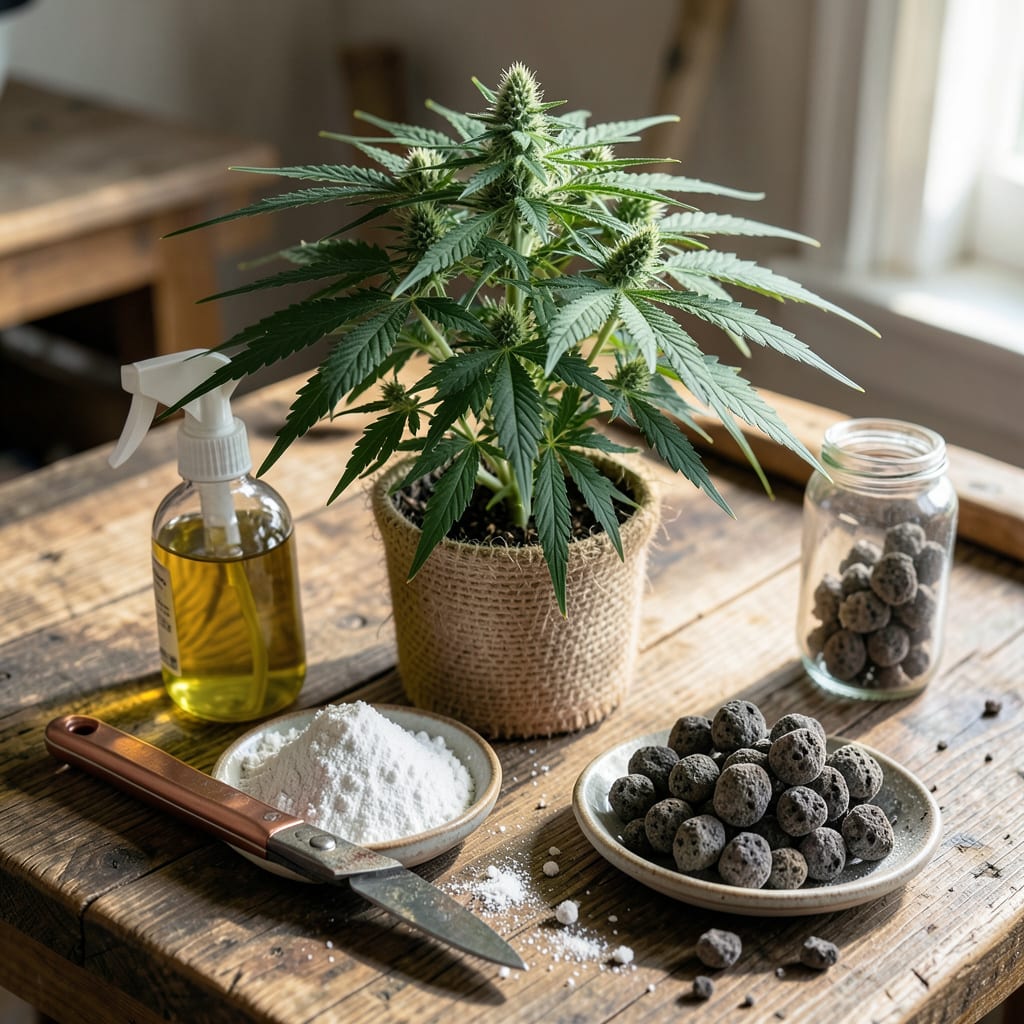
Spotted white fuzz on your cannabis leaves means trouble. I’ve lost entire outdoor crops to mold, but I found the exact prevention and treatment methods that actually work without harsh chemicals.
The key is catching it early. Mold thrives in damp, still air—so improving airflow and reducing humidity stops it before it spreads. Most growers don’t realize how quickly 24-48 hours of bad conditions can ruin a plant.
Natural solutions like neem oil or copper fungicide work if applied correctly. I’ve tested both, and they clear up infections while keeping plants healthy. The smell of fresh, mold-free buds is worth the effort.
Works for outdoor grows, greenhouses, or indoor setups. Here’s how to protect your plants for good.
Mold on cannabis plants is a common but preventable issue. Understanding the root causes helps you stop it before it starts. Here’s why it happens:
Mold thrives in moist environments. When humidity exceeds 60%, spores germinate and spread rapidly, especially in dense canopies where airflow is limited. Cannabis plants in late flowering are particularly vulnerable due to thick foliage.
Stagnant air traps moisture around leaves and buds, creating a breeding ground for mold. Without proper ventilation or fan placement, even moderate humidity can lead to outbreaks. Oscillating fans and strategic pruning improve airflow.
Excess water in soil or growing media saturates roots and increases ambient moisture. Drip irrigation or saucers that retain water can worsen the problem. Ensure pots have drainage holes and water only when the top inch of soil is dry.
Thick, unpruned canopies block light and air from reaching inner leaves and buds. This shaded, humid microclimate is ideal for mold growth. Regular defoliation and training techniques (like LST) open up the plant structure.
Mold spores can hitchhike on unsterilized scissors, gloves, or even clothing. A dirty grow space—like reused soil or dusty surfaces—also harbors spores. Always sanitize tools with isopropyl alcohol and maintain a clean workspace.
Mold on cannabis plants can be frustrating, but these targeted solutions will help you eliminate the problem and prevent future outbreaks. Address the root cause first, then apply the fix below.
Stagnant air is a breeding ground for mold. Increase airflow with oscillating fans or by spacing plants further apart. For indoor grows, use an exhaust system to cycle fresh air. Prevention tip: Run fans 24/7 on low to keep air moving without stressing plants.
Mold thrives in humidity above 60%. Use a dehumidifier to keep levels between 40-50% during flowering. In greenhouses, crack windows or use a ventilation system. Prevention tip: Avoid watering at night—excess moisture lingers in cooler temperatures.
Mold loves warm, dark, and damp areas. Remove affected leaves immediately and disinfect the space with a 1:10 bleach-water solution (rinse after). For bud rot, prune dense foliage to improve light penetration. Prevention tip: Keep temps between 70-85°F and ensure even light distribution.
For mild cases, spray plants with neem oil (1 tbsp per gallon of water) or a baking soda solution (1 tsp baking soda + 1 quart water + a few drops of dish soap). Apply every 5-7 days until mold clears. Prevention tip: Use preventive sprays weekly during high-risk periods (e.g., late flowering).
If mold spreads extensively, remove infected plants to protect the rest. Burn or seal in a bag—do not compost, as spores persist. Prevention tip: Quarantine new plants for 1-2 weeks before introducing them to your grow space.
Pro tip: 💡 Always sterilize tools, pots, and growing mediums between uses to stop spores from recurring.
No. Moldy buds are unsafe to consume, even after drying. Inhaling mold spores can cause serious respiratory issues. Always discard infected material immediately to prevent spread.
Inspect plants daily during late flowering when risk is highest. Use a flashlight to spot early signs in dense canopies. Early detection means easier treatment.
Yes, a 3% hydrogen peroxide solution (1 part peroxide to 10 parts water) can treat surface mold. Spray lightly and avoid direct sunlight afterward to prevent leaf burn.
