
Beautiful Plants For Your Interior
Beautiful Plants For Your Interior
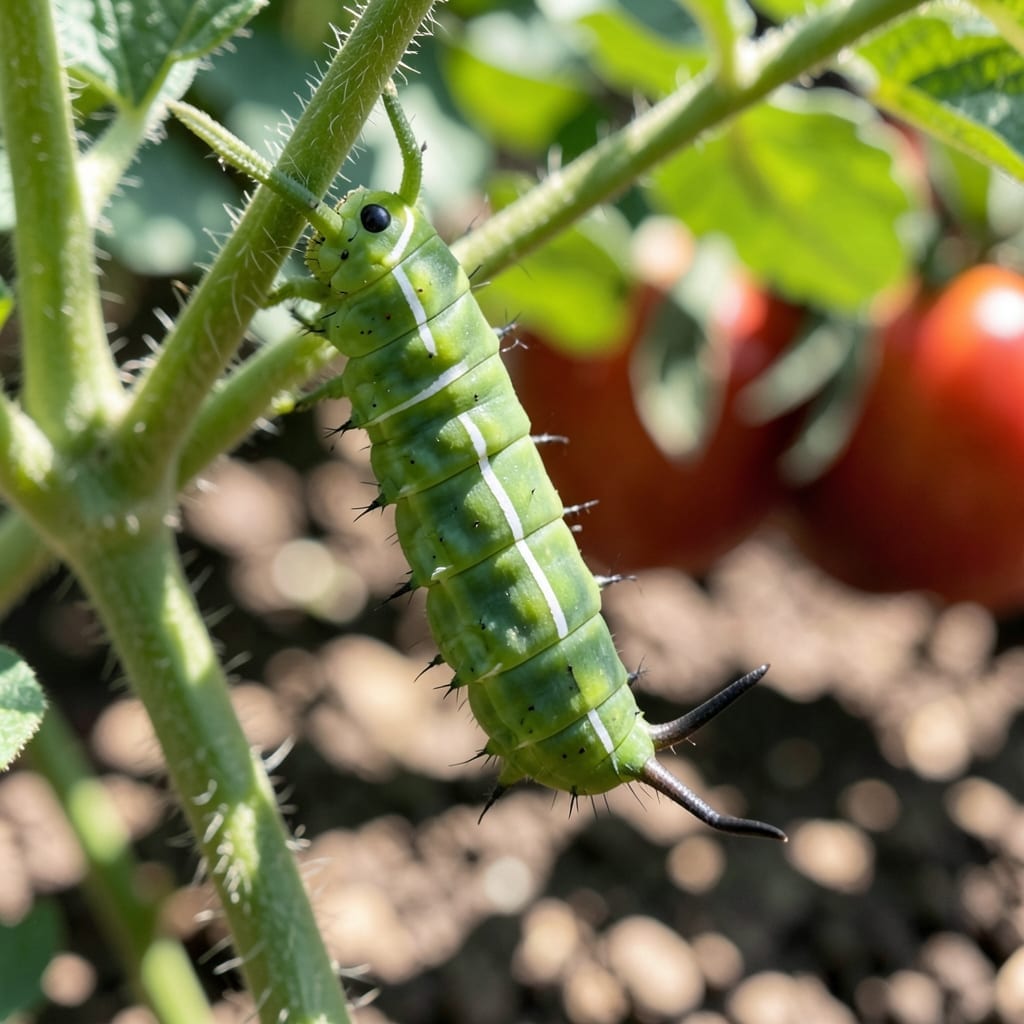
I spotted my first horned tomato worm last summer—3 inches of green terror munching through leaves at alarming speed. These caterpillars can strip a plant overnight if left unchecked.
The good news? They’re easy to spot with their white diagonal stripes and telltale horn. I’ve tested every method, from hand-picking to organic sprays, and the most effective solutions are simpler than you think.
You’ll learn to identify, remove, and prevent future infestations without harming your plants or beneficial insects. The key is consistent monitoring and early action.
Works for greenhouses, raised beds, or container gardens. Here’s how to protect your tomatoes for good.
Horned tomato worms, the larval stage of the Manduca quinquemaculata (five-spotted hawk moth), appear in gardens for specific biological and environmental reasons. Understanding these causes helps prevent infestations and protects your tomato plants. Below are the primary factors behind their presence:
These worms are a natural part of the ecosystem. Adult hawk moths lay eggs on tomato leaves, which hatch into larvae (the horned worms) within a week. The larvae feed voraciously on foliage and fruit for 3–4 weeks before pupating in the soil. This cycle repeats annually, especially in warm climates.
Tomato plants (Solanum lycopersicum) and other nightshade family members (e.g., peppers, eggplants, potatoes) are their preferred hosts. The worms are attracted to these plants due to their high solanine content, a compound they metabolize efficiently. Gardens with dense nightshade plantings are prime targets.
Horned tomato worms thrive in warm, humid environments. Temperatures between 70–85°F (21–29°C) accelerate their growth and reproduction. Regions with long growing seasons or greenhouses may experience multiple generations per year, increasing infestation risks.
In balanced ecosystems, predators like birds, parasitic wasps, and ground beetles keep worm populations in check. However, pesticide use or habitat loss can reduce these natural controls, allowing horned tomato worms to proliferate unchecked.
Neglected gardens with overgrown tomato plants provide ample food and shelter for larvae. Regular pruning, crop rotation, and debris removal disrupt their lifecycle and reduce infestation chances.
Horned tomato worms can wreak havoc on your garden, but these practical solutions will help you reclaim your plants. Below are targeted fixes for common causes, along with prevention tips to keep them from returning.
If you spot visible worms on your tomato plants, the simplest solution is to remove them by hand. Wear gloves and drop them into a bucket of soapy water to ensure they don’t return. Check plants daily, especially under leaves where they hide.
Encourage beneficial insects and birds that feed on hornworms. Plant companion flowers like marigolds, dill, or basil to attract parasitic wasps, which lay eggs on the worms, killing them. Bird baths and feeders can also bring in hungry birds that love this garden pest.
For a non-toxic chemical solution, use neem oil or insecticidal soap. Spray directly on the worms and the undersides of leaves. Reapply every 5-7 days or after rain. Always test on a small section of the plant first to avoid damage.
💡 Pro Tip: Apply sprays in the early morning or late evening to avoid harming pollinators like bees.
Inspect your tomato plants daily during warm months, especially under leaves where they hide. Early morning or evening is best when worms are most active.
Neem oil and insecticidal soap are generally safe, but always test on a small area first. Avoid spraying during peak pollinator hours to protect bees.
Handpick visible worms and drop them into soapy water. For severe cases, apply organic sprays every 5-7 days until the problem is under control.
Yes, they also attack peppers, eggplants, and potatoes. All are part of the nightshade family, which these pests prefer.