
Beautiful Plants For Your Interior
Beautiful Plants For Your Interior
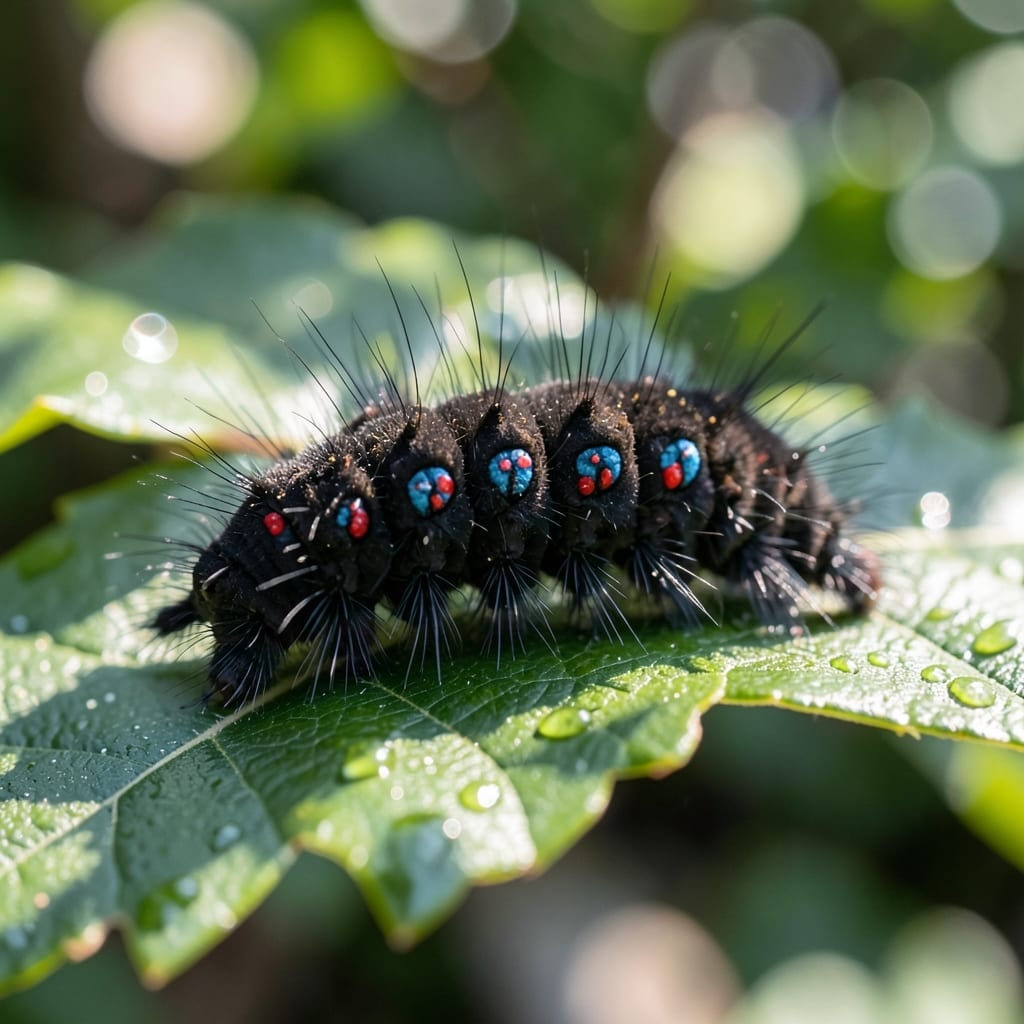
I lost three oak trees before learning how to stop these pests cold. Barrier protection works when you understand their feeding patterns and lifecycle timing.
Eco-friendly methods target caterpillars without harming beneficial insects or the environment. Physical barriers, natural predators, and careful monitoring create a foolproof defense system for your garden and landscape.
You’ll see results within days of implementing these strategies. Trees recover faster, foliage stays intact, and you break the cycle before it spreads to neighboring properties.
Works for small gardens, large landscapes, and everything in between. Here’s the battle plan.
Gypsy moth caterpillars Lymantria dispar don’t just appear out of nowhere. Their explosive populations are triggered by a mix of ecological and human-driven factors. Understanding these causes helps you break the cycle before your trees become a buffet. 🌳🔍
Gypsy moths undergo natural boom-and-bust cycles, often peaking every 5–10 years. In favorable conditions—warm springs, mild winters, and abundant food—female moths lay 500–1,000 eggs per mass. Without predators (like birds or parasitic wasps) to keep numbers in check, hatchlings emerge in overwhelming numbers, defoliating trees rapidly.
These pests hitch rides on firewood, camping gear, and vehicles, accidentally introduced to new areas by humans. Once established, they thrive in oak, maple, and birch forests—common in suburban and rural landscapes. Poor quarantine practices (e.g., moving infested logs) accelerate their spread.
Warm, dry springs speed up caterpillar development, while wet springs can increase fungal diseases that naturally control them. Drought-stressed trees are also more vulnerable, as their weakened defenses make them easier targets. Urban areas with monoculture tree plantings (e.g., only oaks) provide an all-you-can-eat scenario for caterpillars.
Invasive gypsy moths often outcompete native species, and their lack of co-evolved predators in North America means fewer checks on their population. While birds, small mammals, and insects (like Compsilura concinnata, a parasitic fly) do prey on them, these controls are often too slow to prevent large-scale defoliation.
Gypsy moth caterpillars can wreak havoc on your trees and garden, but these targeted solutions will help you reclaim your outdoor space. Address the issue based on its severity and location for the best results.
For isolated cases, hand-picking is the simplest method. Wear gloves and drop caterpillars into a bucket of soapy water to drown them. Follow up by wrapping tree trunks with burlap bands to trap climbing larvae—check and remove trapped pests daily.
If caterpillars are everywhere, apply Bacillus thuringiensis var. kurstaki (Btk), a natural bacterial spray that targets only caterpillars. Spray in the early morning or late evening when caterpillars are most active. Reapply after rain for continued protection.
Consistency is key! Combine methods for the best defense and monitor your property regularly to catch new infestations early.
Apply Btk in the early morning or late evening when caterpillars are most active. Avoid midday heat to prevent evaporation and ensure the spray adheres to foliage. Reapply after rain for maximum effectiveness.
Check for egg masses on tree bark in fall or chewed leaves in spring. Stressed trees with thin canopies or visible caterpillars are prime targets. Act quickly to prevent widespread defoliation.
Soapy water works for hand-picked caterpillars but isn’t practical for large areas. For widespread issues, use Btk or barrier bands. Soap alone won’t control heavy populations effectively.
No, burlap bands only trap climbing caterpillars. They’re a safe, chemical-free method that won’t affect birds or pollinators. Check bands daily to remove trapped pests.