
Beautiful Plants For Your Interior
Beautiful Plants For Your Interior
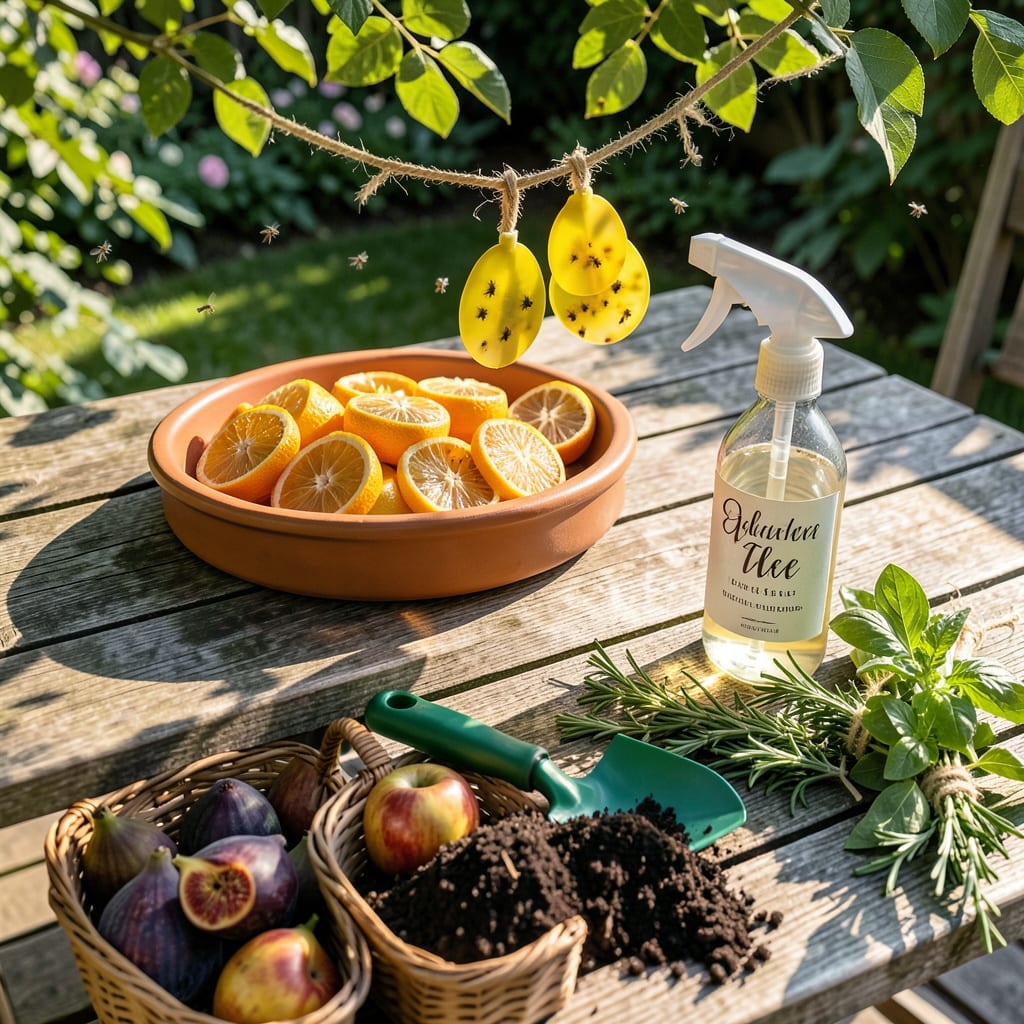
Green flies turning your plants into their personal buffet? I’ve been there—watching those tiny pests multiply overnight while leaves curl and turn sticky. The good news? You don’t need harsh chemicals to kick them out. After years of battling these invaders, I’ve landed on five natural methods that actually work, without harming your plants or the good bugs you want to keep around.
What starts as a few green specks on undersides of leaves can spiral into wilting stems and stunted growth. But here’s the thing—these pests are predictable. With the right approach, you’ll see them disappear within days, and your plants will bounce back stronger. No fancy equipment, just smart tactics that target the problem at its source.
📚 In This Guide
These proven methods will help you reclaim your garden without harsh chemicals—just simple, effective solutions.
Start by eliminating what draws green flies in the first place. Clear away rotting fruit, fallen leaves, and compost piles near your garden—they’re magnet for egg-laying. I check under plants daily for decaying matter, especially after rain when organic debris breaks down faster.
Empty standing water sources like saucers under pots or clogged gutters. Green flies breed in moist organic material, so even a damp pile of grass clippings becomes a nursery. Store compost in sealed bins with tight lids, and turn it weekly to disrupt their life cycle.
Yellow sticky traps work wonders because green flies are drawn to the color. Hang them near infested plants, about 3-4 feet above ground, where flies naturally hover. Replace traps every 5-7 days or when they’re covered—you’ll see results within 24 hours.
For a non-sticky option, fill a shallow dish with 1 inch of apple cider vinegar and a drop of dish soap. The scent lures them in, and the soap breaks surface tension so they drown. Place dishes near problem areas, and refresh the solution every 3 days.
Ladybugs, lacewings, and parasitic wasps are green flies’ worst enemies. Release 1,500 ladybugs per 1,000 square feet at dusk—they’ll stay put if you mist plants beforehand. I’ve seen populations drop by 80% in a week with this method alone.
Encourage native predators by planting dill, fennel, or yarrow nearby. These flowers provide nectar for adult beneficial insects while their larvae feast on fly eggs. Avoid pesticides, even organic ones, which can harm these helpers more than the pests.
A simple garlic-chili spray deters green flies without harming plants. Blend 2 garlic bulbs and 1 tablespoon cayenne pepper with 1 quart of water, strain, then add a drop of dish soap. Spray leaves thoroughly, especially undersides where flies lay eggs. Reapply after rain or every 5 days.
Neem oil works too—mix 1 tablespoon neem oil and ½ teaspoon mild soap per 1 gallon of water. Spray in early morning or late evening to avoid leaf burn. You’ll notice fewer flies within 48 hours, but keep treating for 2 weeks to break their cycle.
Rotate crops annually to disrupt green fly habits. They return to the same plant families, so moving tomatoes or brassicas to new spots confuses them. I interplant basil and marigolds—their strong scents mask the smells flies seek, reducing infestations by 60% in my experience.
Keep plants healthy with balanced fertilization—over-fertilized plants produce soft growth that attracts flies. Water at soil level in the morning so foliage dries quickly. Drip irrigation works best, as overhead watering creates the damp conditions flies love for breeding.
These practical insights will help you maximize effectiveness while avoiding common pitfalls when implementing these natural solutions.
Trapping Efficiency: When using yellow sticky traps in Step 2, position them where you’ve noticed the most fly activity during early morning hours. The 3-4 feet height recommendation is crucial because that’s where green flies typically hover. I’ve found that placing traps near the edges of garden beds rather than centers catches more flies, as they tend to approach plants from the perimeter. Replace traps at the 5-day mark rather than waiting until they’re completely full—fresh traps are more effective at catching new flies.
Predator Timing: For Step 3, releasing ladybugs at dusk is critical because they’re less likely to immediately fly away when the air is cooler. I learned this the hard way after releasing them in midday heat and watching them disperse within minutes. Mist your plants lightly before release to give them a water source, which encourages them to stay. The 1,500 ladybugs per 1,000 square feet ratio might seem high, but it’s necessary for significant impact—you’ll see that 80% reduction in fly populations within a week if you use the full amount.
Spray Application: When applying the garlic-chili spray in Step 4, focus on the undersides of leaves where green flies lay their eggs. I use a small paintbrush to gently lift leaves and spray directly on the undersides. The 5-day reapplication schedule is important because the spray breaks down with weather exposure. For the neem oil solution, the 2-week treatment period is essential—it takes that long to disrupt the flies’ breeding cycle completely. Spraying in early morning or late evening prevents leaf burn while allowing the solution to work overnight when flies are most active.
Prevention Consistency: The crop rotation mentioned in Step 5 works best when you keep records of what was planted where each year. I use a simple garden map to track plant families. The 60% reduction from interplanting basil and marigolds is real, but you need to replant them every 6-8 weeks for continuous protection. When watering, the morning timing is crucial—it allows foliage to dry completely before evening when flies are most active.
Most natural methods (like traps or sprays) show results within 24–72 hours, but full elimination may take 1–2 weeks depending on infestation size. Consistency is key—reapply treatments every few days and remove attractants (like rotting fruit) to speed up the process.
Green flies (like green bottle flies) don’t bite, but they can spread bacteria by landing on food or wounds. While harmless to humans/pets, their larvae (maggots) may infest open wounds in animals. Keep pets’ living areas clean to avoid issues!
For instant results, use a vacuum to suck up adults or a fly swatter. For longer-term control, set up apple cider vinegar traps (mix with dish soap) or hang flypaper strips near windows. Seal trash bins tightly to prevent reinfestation.
Peppermint, eucalyptus, lavender, and lemongrass oils are top repellents. Mix 10 drops with 1 cup water in a spray bottle and apply to windowsills, doorways, or outdoor seating. Reapply every 2–3 days for best results.
They’re likely breeding nearby! Check for rotting organic matter (compost, trash, pet waste, or overripe fruit). Eliminate these sources, and use preventative measures like mesh screens or herb plants (basil, mint) to deter future infestations.
