
Beautiful Plants For Your Interior
Beautiful Plants For Your Interior
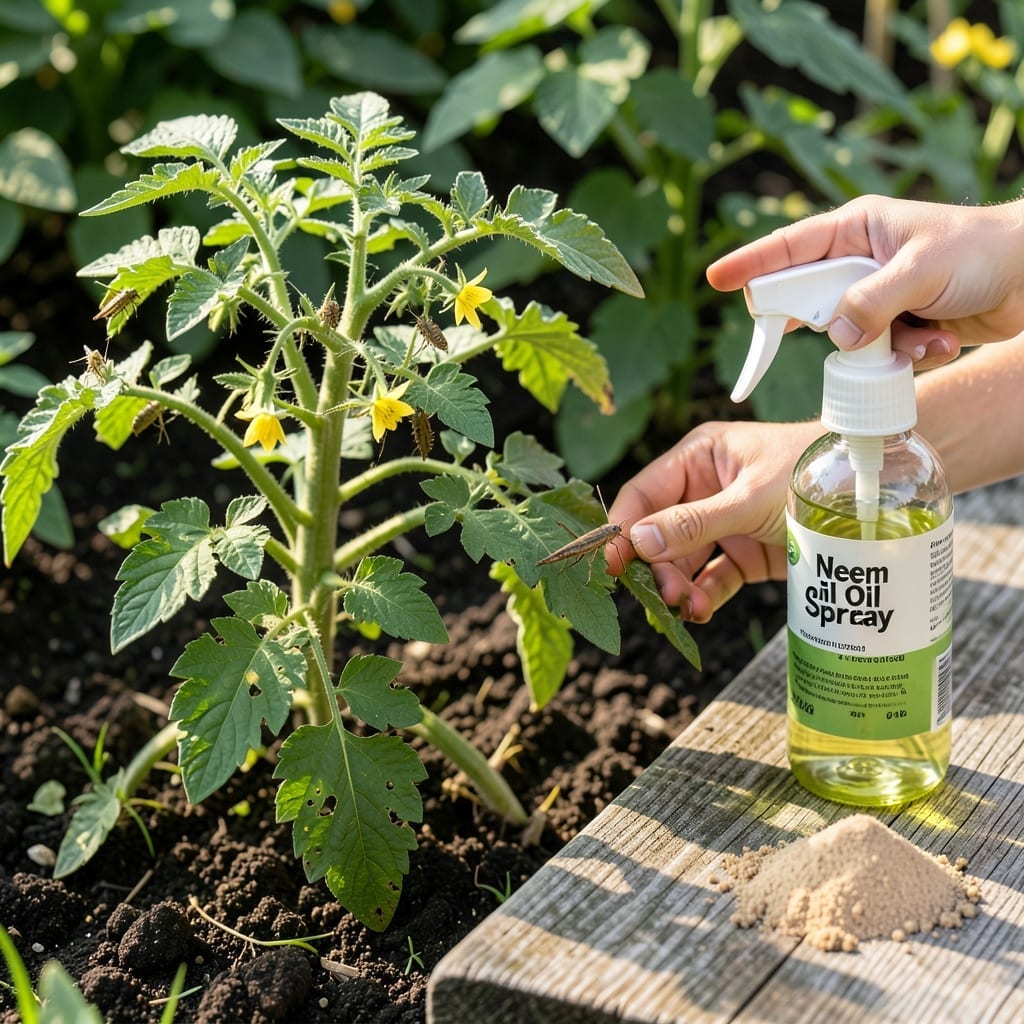
One morning you step outside to admire your garden, only to find your favorite plants reduced to stubs. The culprit? 🦗 Grasshopper damage can be devastating, but there’s hope without resorting to harsh chemicals.
I’ve seen entire gardens wiped out in 48 hours by these hungry pests. The good news is that nature provides its own solutions when you know where to look.
From simple household items to clever planting strategies, you’ll discover methods that work with your garden’s ecosystem, not against it. These approaches protect your plants while keeping beneficial insects safe.
Let me show you how to reclaim your garden the natural way. The solutions might surprise you with their simplicity and effectiveness.
When grasshoppers invade, they can devour leaves and stems overnight, leaving your garden in ruins. I’ve found that natural methods work just as well as chemicals—without the harm.
From neem oil to companion planting, there are eco-friendly solutions that protect your plants and the environment. Let’s break them down.
| Method | How It Works | Application |
|---|---|---|
| Neem Oil | Disrupts feeding patterns and repels pests | Spray weekly on leaves at dusk |
| Garlic Spray | Strong odor deters grasshoppers naturally | Mix crushed garlic with water, spray every 5 days |
| Diatomaceous Earth | Dehydrates insects on contact | Dust lightly on soil and plant bases |
| Beneficial Insects | Predatory bugs like praying mantises eat grasshoppers | Release in early morning near plants |
| Companion Planting | Repels pests with strong scents | Plant marigolds, basil, or cilantro nearby |
I always start with neem oil because it’s gentle on plants but tough on pests. Mix 1 tbsp oil with 1 gallon of water and a few drops of soap for best results.
Garlic spray is another favorite—it’s cheap and effective. Blend 10 garlic cloves with 1 quart of water, strain, and spray directly on foliage.
For immediate action, diatomaceous earth works wonders. Just
If you prefer a hands-off approach, beneficial insects like praying mantises or ground beetles can keep grasshoppers in check naturally.
Companion planting is my go-to for long-term prevention. Marigolds and basil not only repel grasshoppers but also enhance garden biodiversity.
I’ve seen gardens transform overnight with these methods. The key is consistency—stick with it, and you’ll see fewer grasshoppers in no time. 🌿
Prevention is always better than cure when dealing with grasshopper infestations. I’ve learned that a few simple changes can make your garden far less appealing to these pests.
Start by removing hiding spots like tall grass and weeds where grasshoppers lay eggs. A clean garden is your first line of defense.
Crop rotation works wonders because it confuses pests looking for their favorite plants. I rotate my tomatoes and peppers every year with great success.
Tilling in fall exposes grasshopper eggs to freezing temperatures, dramatically reducing next year’s population. It’s a simple step with big payoffs.
Row covers provide physical protection for seedlings and young plants. Just
I always keep my garden free of debris where grasshoppers might hide. A tidy garden is a less inviting garden for pests. ✂️