
Beautiful Plants For Your Interior
Beautiful Plants For Your Interior
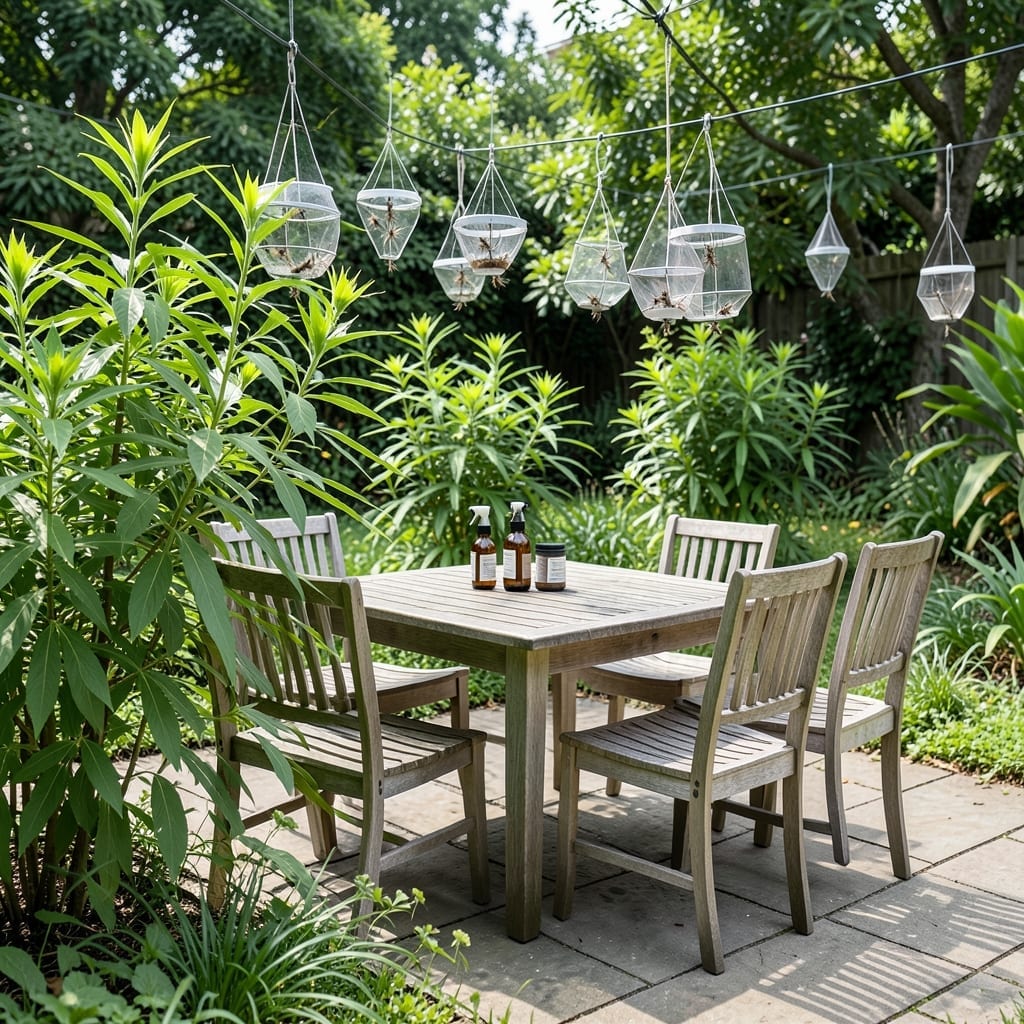
Flies ruined my last summer cookout, buzzing around like uninvited guests. Turns out, a few simple changes can reclaim your patio without harsh chemicals.
I started with natural traps—apple cider vinegar with soap works shockingly well. Then I planted basil and mint near seating areas. The flies hated it; my iced tea loved it.
Prevention beats elimination every time. Keep food covered, clean up spills immediately, and empty trash regularly. Your patio stays fly-free with minimal effort.
These methods scale from tiny balconies to sprawling decks. No toxic sprays, just smart habits and the right plants.
Flies are more than just a nuisance—they’re drawn to your patio for very specific reasons. Understanding these causes can help you tackle the root of the problem. Here’s why your outdoor space might be a fly magnet:
Flies have an exceptional sense of smell and can detect food odors from miles away. Leftovers, uncovered trash cans, pet food, or even spilled drinks on your patio act like a buffet for common houseflies and fruit flies. Drosophila melanogaster (fruit flies) are especially attracted to overripe fruits and fermenting sugars, while houseflies (Musca domestica) seek out proteins and decaying matter.
Stagnant water in plant saucers, clogged gutters, or even a damp patio after rain creates ideal breeding grounds. Flies lay eggs in moist, organic material, and their larvae (maggots) thrive in these conditions. Mosquitoes aren’t the only pests that love water—cluster flies and drain flies also proliferate in damp, undisturbed areas.
Piled-up leaves, rotting wood, or untrimmed bushes provide shelter and food for flies. Decaying plant matter releases odors that attract blow flies and flesh flies, which feed on and lay eggs in organic debris. Even compost bins, if not properly managed, can become a fly hotspot.
Dog or cat waste left in the yard is a prime attractant for flies. Species like black soldier flies and houseflies are drawn to fecal matter for both feeding and egg-laying. Bird feeders or uneaten pet food can also contribute to the problem if not cleaned regularly.
Flies on your patio are more than a nuisance—they’re a sign of an underlying attractant. Tackle the root causes with these targeted fixes and keep your outdoor space fly-free.
Flies flock to food scraps, unsealed trash, and pet food. Start by clearing all food sources after meals, including crumbs and spills. Use airtight containers for compost or garbage bins, and take trash out daily. For pet owners, pick up bowls immediately after feeding and store pet food indoors. Pro tip: 💡 Rinse recycling bins regularly—they often harbor sugary residues.
Flies breed in damp areas. Check for leaky faucets, clogged gutters, or saucers under potted plants and dry them out. If you have a birdbath or fountain, refresh the water every 2-3 days to disrupt the fly life cycle. For persistent damp spots, use a dehumidifier or improve drainage with gravel or sand.
Rotting organic matter is a fly magnet. Sweep up fallen leaves, fruit, or mulch around your patio weekly. Clean up after BBQs or outdoor cooking—grease and meat juices are especially appealing. For stubborn odors, spray surfaces with a 1:1 vinegar-water solution to neutralize smells. Prevention tip: ✨ Store firewood and gardening supplies away from your seating area.
Seal gaps where flies sneak in. Install fine mesh screens on patio doors or windows, and use door sweeps to close off entryways. For open-air patios, hang fly strips or UV traps away from seating areas to lure and catch them before they reach you.
Bonus: Plant fly-repelling herbs like basil, mint, or lavender in pots around your patio—they add fragrance and deter pests naturally!
Basil, mint, and lavender are top choices. Plant them in pots near seating areas for both fragrance and fly prevention. Their strong scents mask attractants that draw flies in.
Sweep and wipe surfaces daily after meals. Take out trash and rinse recycling bins every 2-3 days to remove odors. Weekly deep cleaning helps eliminate hidden attractants.
Yes, UV traps and fly strips are effective when placed 10-15 feet from seating areas. This lures flies away from your space before catching them. Avoid placing traps too close to food areas.
Even small amounts in plant saucers or clogged gutters can breed hundreds of flies in 1-2 weeks. Empty and dry water sources every 48 hours to break the cycle.