
Beautiful Plants For Your Interior
Beautiful Plants For Your Interior
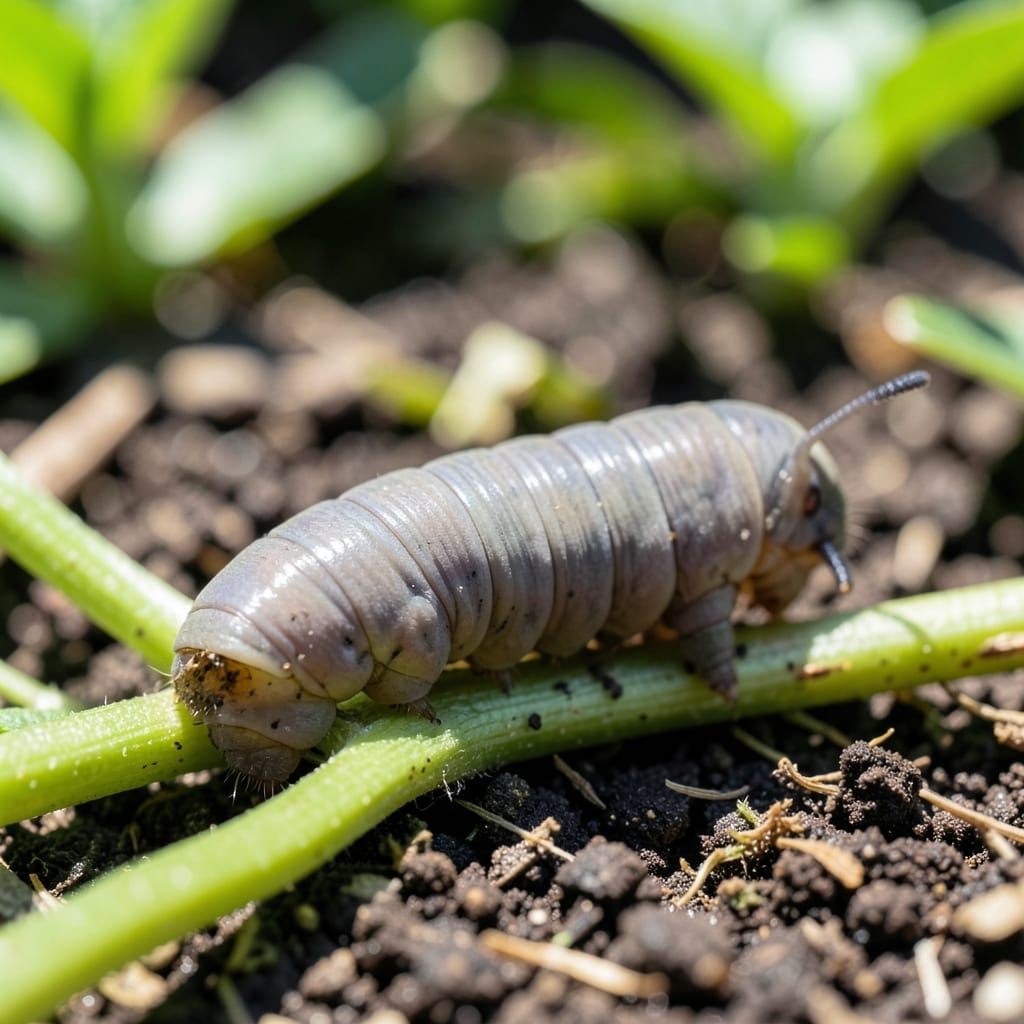
Woke up to chewed grass blades and bare patches overnight. Cutworms strike fast, turning healthy lawns into patchy disasters without warning.
I’ve lost seedlings and lawn sections to these nighttime feeders before discovering they’re most active at dusk. The damage looks brutal—plants severed at soil level—but it’s 100% fixable with the right approach.
Natural solutions work best for me: beneficial nematodes, diatomaceous earth, or simple hand-picking at night. Chemical options exist, but I prefer methods that won’t harm bees or soil health.
Your lawn can recover quickly once you break their life cycle. Timing is everything—act at the first sign of damage.
Cutter worms, the larval stage of certain moth species, appear in your lawn or garden for specific biological and environmental reasons. Understanding these triggers helps you address the root of the infestation.
Cutter worms thrive in areas with dense vegetation, particularly grasses, clover, and legumes. These plants provide ample food for the larvae, which feed voraciously on stems at soil level. Overgrown or poorly maintained lawns create the perfect breeding ground, as the moths lay eggs in thick, undisturbed turf.
These pests prefer warm, moist soil (60–75°F) for egg-laying and larval development. Excessive irrigation, poor drainage, or heavy rainfall can create ideal conditions for moths to deposit eggs. The moisture also softens plant stems, making them easier for the larvae to chew through.
When beneficial predators like ground beetles, birds, or parasitic wasps are absent, cutter worm populations explode unchecked. Overuse of broad-spectrum pesticides can kill these natural enemies, leaving your lawn vulnerable to repeated infestations.
Weak or stressed turf—caused by compacted soil, nutrient deficiencies, or improper mowing—is more susceptible to cutter worm damage. Healthy grass recovers faster from feeding, while thin or patchy lawns offer easy access for larvae to sever stems at the base.
Dealing with cutworm damage is frustrating, but these targeted solutions will help you reclaim your lawn and garden. Below are practical fixes mapped to common causes, along with prevention tips to keep these pests at bay.
Cutworms thrive in tall grass and weedy areas where they can hide. Mow your lawn regularly to eliminate their shelter. Remove weeds, leaf litter, and garden debris where eggs and larvae may be hiding. Prevention tip: Keep your lawn at a consistent height of 2–3 inches to discourage infestations.
A thick thatch layer provides the perfect breeding ground for cutworms. Use a dethatching rake or aerator to break up and remove excess thatch. This improves soil health and reduces hiding spots. Prevention tip: Aerate your lawn annually to prevent thatch buildup and promote a healthy root system.
Cutworms love feasting on young plants. Create a barrier around seedlings using cardboard collars, plastic cups (with the bottom cut out), or diatomaceous earth. These physical barriers prevent cutworms from reaching the stems. Prevention tip: Delay planting until cutworm activity has subsided, usually in late spring.
Ground beetles, birds, and parasitic wasps naturally prey on cutworms. Attract these helpers by planting native flowers, setting up birdhouses, or installing a small water source. Avoid broad-spectrum pesticides, which can harm beneficial insects. Prevention tip: Maintain a diverse garden ecosystem to support natural pest control year-round.
Cutworms are attracted to damp soil. Improve drainage by amending heavy clay soil with compost or sand. Ensure your lawn has proper grading to prevent water pooling. Prevention tip: Water your lawn in the early morning to allow the soil to dry out during the day, making it less inviting for cutworms.
They feed primarily at night or during dusk. Inspect your lawn with a flashlight after sunset to spot them in action.
No, they also target young vegetables, flowers, and seedlings. Protect new plantings with collars or diatomaceous earth barriers.
Without intervention, they can persist for 4-6 weeks. Act quickly to prevent extensive damage to your lawn and garden.
Use targeted pesticides labeled for cutworms, but apply in the evening to avoid harming pollinators. Always follow label instructions.