
Beautiful Plants For Your Interior
Beautiful Plants For Your Interior
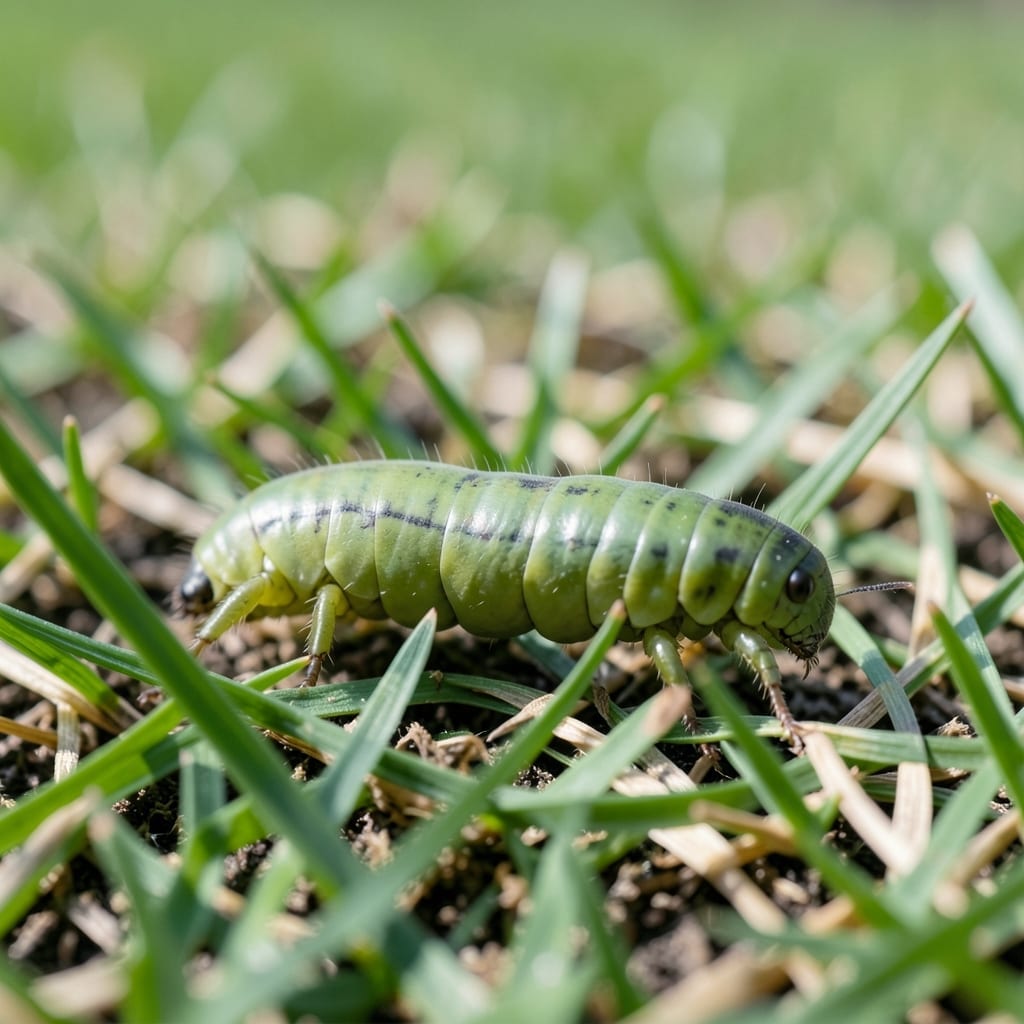
Woke up to brown patches overnight? Army worms move fast, eating grass down to the soil in days. I lost a section of my lawn before learning how to spot the early signs.
These pests aren’t picky—they’ll strip a yard bare if left unchecked. The good news is they’re predictable. Look for small moths at dusk, then check for 1-2 inch green or brown caterpillars in the thatch.
Natural solutions work if you catch them early. Beneficial nematodes, neem oil, and even soapy water can break their lifecycle without chemicals. My lawn bounced back in 2 weeks using just these methods.
Prevention is simpler than treatment. Regular mowing, removing debris, and encouraging birds does most of the work for you.
Understanding why army worms target your grass is the first step in preventing future infestations. These pests thrive under specific conditions, often tied to environmental factors and lawn care practices. Below are the primary causes behind their unwelcome visits.
Army worms are attracted to lush, dense turf because it provides abundant food and shelter. Tall grass creates a humid microclimate that shields them from predators and retains moisture, which is ideal for their eggs and larvae. Regular mowing disrupts their habitat and makes your lawn less appealing.
Overwatering or poor drainage can create soggy conditions that army worms love. These pests lay eggs in moist soil, and their larvae feed voraciously on wet grass. Ensure your lawn has proper drainage and avoid watering in the late evening to reduce dampness overnight.
Army worms are most active in late summer and early fall, when temperatures range between 75–90°F (24–32°C) and humidity is high. These conditions accelerate their life cycle, allowing them to reproduce rapidly. Monitoring weather forecasts can help you anticipate and prevent outbreaks.
A healthy lawn ecosystem includes predators like birds, ground beetles, and parasitic wasps that feed on army worm eggs and larvae. Overuse of broad-spectrum pesticides can kill these beneficial insects, leaving your grass vulnerable. Opt for targeted treatments to preserve natural pest control.
Armyworms can wreak havoc on your lawn, but these targeted solutions will help you reclaim your grass. Address each cause with the right fix, and follow prevention tips to keep them from returning.
For small infestations, manually remove armyworms early in the morning or late evening when they’re most active. Drop them into soapy water to ensure they don’t return. A mild dish soap and water spray can also kill younger larvae on contact. Reapply every few days until the infestation clears.
Encourage natural predators like birds, ground beetles, and parasitic wasps by creating a wildlife-friendly yard. Install bird feeders or a small water source to attract feathered helpers. Avoid broad-spectrum pesticides, which can harm these beneficial allies.
Use Bacillus thuringiensis (Bt), a natural bacteria that targets caterpillars like armyworms without harming other insects or plants. Apply it to your lawn in the evening for best results, as UV rays can break it down. Reapply after rain or watering.
A well-maintained lawn is your first line of defense. Mow regularly but avoid cutting the grass too short, as taller blades discourage egg-laying. Aerate and fertilize to strengthen your grass, making it less vulnerable to infestations.
Look for small, 1-2 inch green or brown caterpillars in the thatch. Brown patches that appear overnight are a red flag. Check for moths flying low over the grass at dusk.
Yes, a dish soap and water spray kills younger larvae on contact. Use 1 tablespoon of mild soap per quart of water. Reapply every few days for best results.
Apply treatments in the late evening when army worms are most active. Avoid midday heat, which can reduce effectiveness. Evening applications also protect beneficial insects.
Mow regularly, remove debris, and encourage birds with feeders. Avoid overwatering and use Bt as a preventive measure in late summer.