
Beautiful Plants For Your Interior
Beautiful Plants For Your Interior
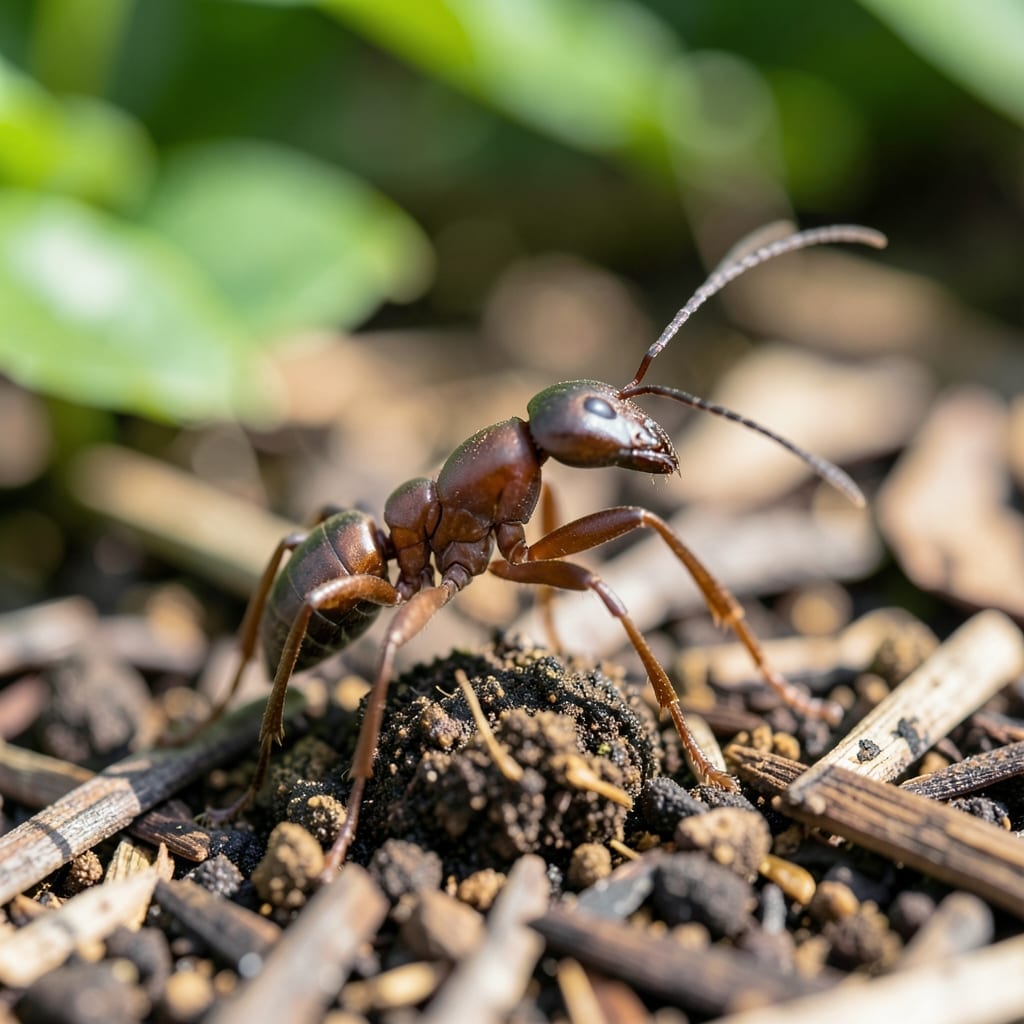
Ants in your mulch aren’t just annoying—they’re a sign your garden’s ecosystem is off balance. I’ve battled these tiny invaders in my own beds, and the solution is simpler than you’d think.
They’re not there for the mulch itself but for the moisture, shelter, and food scraps it hides. The good news? You can evict them without harsh chemicals that might harm your plants or the good bugs.
Natural barriers like diatomaceous earth or cinnamon work surprisingly well, creating a no-ant zone around your beds. A single application can break their trail within 24 hours.
Prevention is even easier: keep mulch dry, avoid overwatering, and refresh it annually. Here’s how to reclaim your garden for good.
Ants are naturally drawn to mulch for several reasons, all rooted in their biological needs and environmental preferences. Understanding these causes helps you address the issue more effectively.
Mulch acts as an insulator, trapping heat and moisture close to the soil. This creates an ideal microclimate for ants, which thrive in warm, humid conditions. Organic mulches, like wood chips or bark, absorb and retain water, providing the hydration ants need to survive. The consistent temperature also accelerates the decomposition process, which attracts ants looking for food and nesting sites.
Mulch often contains organic matter, such as decaying leaves, wood, or plant debris, which serves as a food source for ants. As these materials break down, they release sugars and other nutrients that ants scavenge for. Additionally, mulch can harbor other insects or fungi, which some ant species prey on or cultivate as part of their diet.
The loose, fragmented structure of mulch provides ample space for ants to build nests and tunnels. Unlike compacted soil, mulch offers easy access to underground chambers, protecting ants from predators, extreme weather, and disturbances. This shelter is especially appealing to species like fire ants or carpenter ants, which seek out undisturbed areas to establish colonies.
Mulch blends seamlessly with the garden environment, offering ants a hidden pathway to travel undetected. The dark, textured surface of mulch also helps ants avoid direct sunlight, reducing their risk of desiccation. This camouflage allows them to forage and expand their colonies without attracting the attention of predators or gardeners.
Ants in mulch can be stubborn, but these targeted fixes will help you reclaim your garden without harsh chemicals. Below are practical solutions for common causes, plus prevention tips to keep them from returning.
Ants love damp mulch. Rake the mulch to let it dry out, and ensure your garden has proper drainage. If the area stays soggy, mix in coarse materials like gravel or sand to improve airflow. Prevention tip: Water plants in the morning so excess moisture evaporates by evening.
Old, rotting mulch attracts ants looking for food. Remove and replace heavily infested mulch with fresh, dry material. Opt for cedar or cypress mulch, which ants naturally avoid. Prevention tip: Refresh mulch every 6–12 months to keep it less appealing to pests.
Fall fruits, pet food, or spilled compost draw ants in. Clean up debris and store food sources (like birdseed or pet bowls) away from mulched areas. Prevention tip: Use sealed containers for compost and trash to cut off their food supply.
If ants are nesting in the mulch, disturb their colonies by raking the area thoroughly. For stubborn nests, pour boiling water directly into the mound (avoid plants). Prevention tip: Apply a vinegar-water spray (1:1 ratio) around the perimeter to deter new settlers.
💡 Pro Tip: Sprinkle diatomaceous earth (food-grade) or cinnamon around mulch beds—both are natural ant repellents that won’t harm plants!
They’re likely finding food, moisture, or shelter in the mulch. Even after treatment, new colonies can move in if the conditions remain ideal. Regular maintenance and moisture control are key to keeping them away.
Yes, food-grade diatomaceous earth is non-toxic for plants and humans. It works by dehydrating ants but won’t harm your garden. Just reapply after rain or watering.
Replace or top off mulch every 6–12 months to discourage ants. Older mulch breaks down, creating the perfect environment for pests. Fresh mulch is less appealing.
A 1:1 vinegar-water spray is safe for deterring ants but avoid spraying directly on plants. Use it as a barrier around mulch edges for best results.