
Beautiful Plants For Your Interior
Beautiful Plants For Your Interior
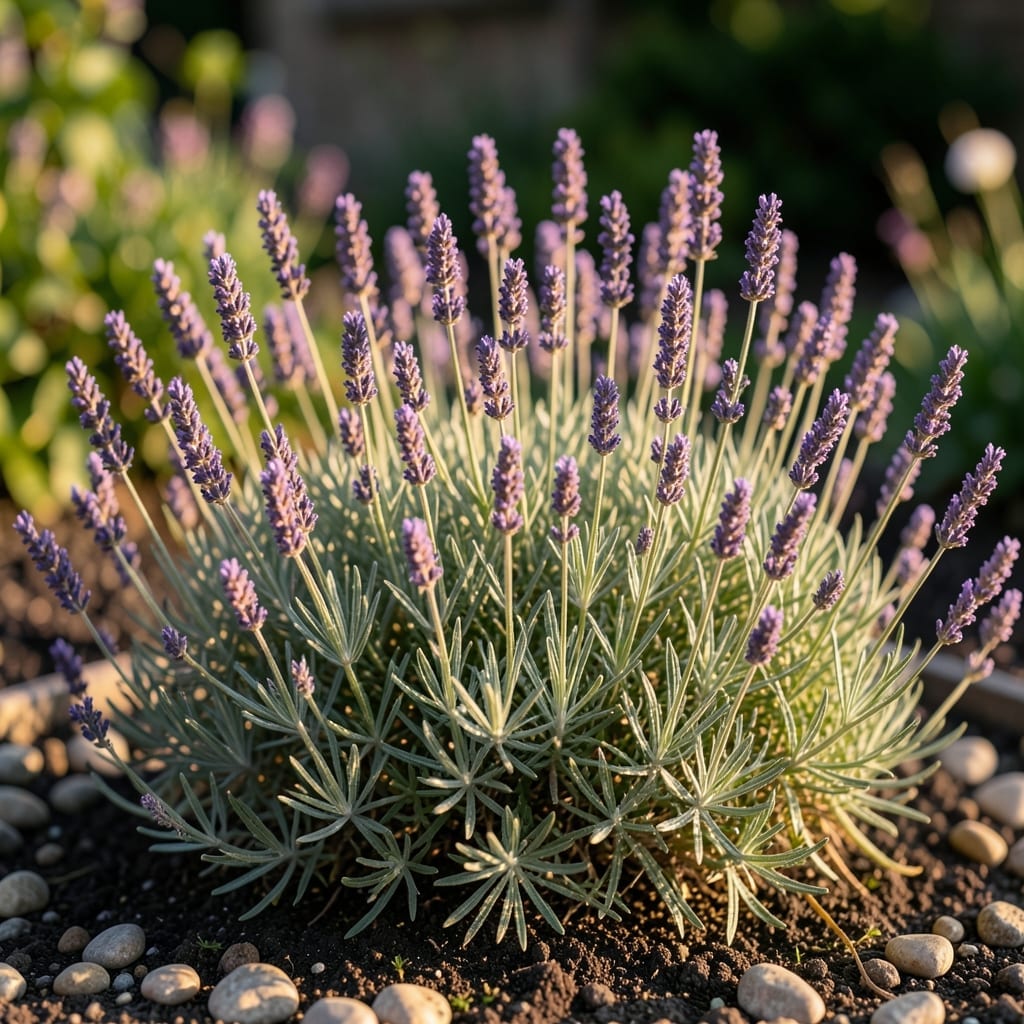
Nothing beats the sight and scent of 🟣 Lavender in full bloom, but getting those iconic purple flowers can be tricky. Even experienced gardeners sometimes struggle with this fragrant herb.
I’ve discovered that the secret lies in proper pruning and consistent care. With the right approach, you can transform your Lavender from a green shrub into a vibrant, flowering centerpiece.
Discover the proven techniques that will have your Lavender bursting with blooms all season long. Let’s get started on this rewarding journey together.
Pruning is the number one secret to getting lavender to bloom abundantly. I always prune my lavender right after it finishes flowering, which encourages new growth and more blooms next season.
For English lavender, I use sharp bypass pruners to remove about one-third of the current year’s growth. This keeps the plant compact and promotes better air circulation, which is crucial for blooming.
I’ve found that French and Spanish lavenders can handle a slightly harder prune than English varieties. Just be sure to leave some green growth, as lavender doesn’t regenerate from bare wood.
Another key tip: never prune lavender in the fall. This can stimulate new growth that won’t have time to harden off before winter, making the plant more susceptible to cold damage.
For young lavender plants, I recommend light pruning in the first year to encourage branching. This sets the stage for more blooms in the following years.
If your lavender is already woody, don’t despair. With consistent annual pruning, you can gradually rejuvenate the plant and encourage new, flowering growth.
Remember, lavender thrives on neglect. Over-pruning or fussy care can actually reduce blooming. Stick to the basics: prune after flowering, keep it shaped, and let the plant do the rest.
I also
Finally, always sterilize your pruners between plants to prevent the spread of disease. A quick wipe with rubbing alcohol does the trick.
✂️To get lavender to bloom, I focus on full sun exposure and well-draining soil. This Mediterranean native thrives in 6+ hours of direct sunlight daily, so I always plant mine in the sunniest spot available.
For soil, I mix in sand or gravel to improve drainage, as lavender hates wet feet. A slightly alkaline pH of 6.5-8 is ideal, so I test my soil and amend if needed.
| Requirement | Specification |
|---|---|
| Sunlight | 6+ hours daily |
| Soil Type | Well-draining, sandy |
| Watering | Every 2-3 weeks |
| pH Level | 6.5-8.0 |
Watering is another critical factor. I water my lavender deeply but infrequently, about every 2-3 weeks once established. Overwatering is a common mistake that leads to root rot and no blooms.
I avoid high-nitrogen fertilizers, as they promote leafy growth at the expense of flowers. Instead, I use a low-nitrogen, high-phosphorus fertilizer sparingly in spring to support blooming.
Mulching with gravel or sand helps retain moisture while allowing excess water to drain. I avoid organic mulches like bark, which can trap too much moisture around the roots.
Finally, I ensure good air circulation around my plants by spacing them 18-24 inches apart. This prevents fungal diseases and encourages stronger, more floriferous growth.
☀️