
Beautiful Plants For Your Interior
Beautiful Plants For Your Interior
I’ll be real with you: hebes can be frustratingly stubborn about flowering. After watching my first hebe sit there like a green lump for two seasons, I finally cracked the code. The difference between a bush that just takes up space and one covered in vibrant blooms comes down to three key adjustments—none of which […]
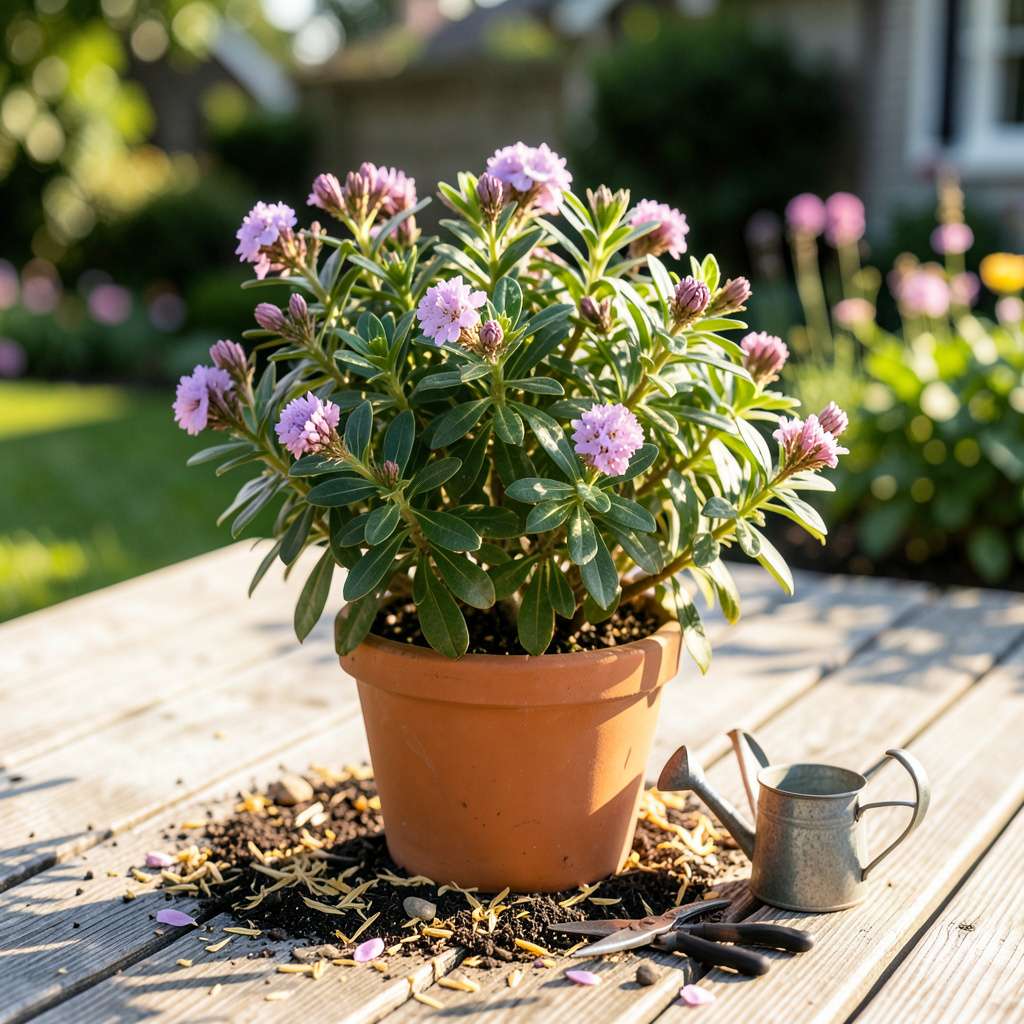
I’ll be real with you: hebes can be frustratingly stubborn about flowering. After watching my first hebe sit there like a green lump for two seasons, I finally cracked the code. The difference between a bush that just takes up space and one covered in vibrant blooms comes down to three key adjustments—none of which involve fancy products or complicated routines.
Here’s the thing—hebes aren’t high-maintenance, but they are particular. Too much shade and they get leggy. Wrong pruning timing and you cut off next year’s buds. Inconsistent watering stresses them into survival mode. My plants started producing nonstop color once I matched their care to what they actually need, not what generic advice suggests. The transformation from green blob to purple-pink powerhouse happens faster than you’d expect.
You’ll know you’ve got it right when new growth appears darker green and sturdier, with flower buds forming at the tips. First blooms typically show within 6-8 weeks of proper care adjustments, and established plants will reward you with multiple flushes per season. The scent of those tiny flowers on a sunny afternoon makes the patience worthwhile.
Works equally well for container-grown hebes on patios or landscape plants in garden beds. Whether your climate brings hot summers or mild winters, these techniques adapt to keep your hebes in bloom mode. Let’s get those flowers going!
📚 In This Guide
With the right care at the right time, your hebe will reward you with vibrant blooms season after season.
Hebe thrives in full sun to partial shade, but flowering requires at least 6 hours of direct sunlight daily. Observe your plant’s current position—if it’s receiving mostly dappled light or afternoon shade, you’ll need to relocate it or prune nearby plants blocking sunlight.
South-facing positions work best in most climates. In hotter zones (USDA 8+), provide light afternoon shade to prevent scorching while maintaining morning sun. Watch for leaf color: deep green indicates sufficient light, while pale or yellowing leaves signal the need for more sun exposure.
Prune hebe immediately after flowering—never in fall or winter. Use clean, sharp bypass pruners to remove one-third of the oldest growth, cutting just above a leaf node or branching point. This stimulates new flowering wood while maintaining the plant’s natural shape.
Avoid shearing with hedge trimmers, which creates a flat top and reduces flowering potential. Instead, make selective cuts to open the center for better air circulation. You’ll see new growth emerge within 3-4 weeks—these fresh stems will bear next season’s flowers.
Hebe prefers moderate moisture with excellent drainage. Water deeply when the top 1-2 inches of soil feel dry, then allow the soil to dry slightly between waterings. Overwatering promotes leafy growth at the expense of flowers, while drought stress prevents bud formation.
Apply a balanced, slow-release fertilizer (10-10-10) in early spring as new growth begins. Avoid high-nitrogen fertilizers after June, as they stimulate foliage rather than flower production. A light application of phosphorus-rich fertilizer in early summer enhances bloom development.
Test your soil pH—hebe performs best in slightly acidic to neutral soil (pH 6.0-7.0). Amend heavy clay or sandy soils with 2-3 inches of organic matter worked into the top 6-8 inches. This improves both drainage and moisture retention, creating ideal conditions for flower production.
Apply a 2-inch layer of mulch around the base (keeping it 3 inches away from stems) to maintain consistent soil moisture and temperature. Use organic mulches like pine bark or shredded leaves, which gradually break down and improve soil structure without smothering the plant.
Late spring frosts can damage emerging flower buds. When temperatures drop below 32°F, cover plants with frost cloth or burlap. Remove covers during the day to allow sunlight and air circulation. In colder climates (USDA 6 and below), consider growing hebe in containers that can be moved to protected locations.
In winter, reduce watering but don’t allow plants to completely dry out. Evergreen varieties continue photosynthesizing slowly, while deciduous types need just enough moisture to keep roots alive. Resume regular care in early spring as new growth appears, which signals the start of the next flowering cycle.
After years of experimenting with these beautiful shrubs, we’ve discovered the subtle adjustments that transform sporadic blooms into a reliable floral display. Here’s what makes the difference between a plant that flowers occasionally and one that becomes the star of your garden.
Sunlight Optimization: The 6 hours of direct sunlight mentioned in Step 1 isn’t just a suggestion—it’s the minimum threshold for flower production. I’ve found that plants receiving morning sun (eastern exposure) often produce more abundant blooms than those getting only afternoon sun. In hotter climates, a light shade cloth during peak afternoon hours can prevent stress while still meeting the sunlight requirement. Watch for leaf orientation: when hebe leaves angle upward toward the sun, you’ve found the sweet spot for flowering.
Pruning Precision: That one-third reduction in Step 2 might seem aggressive, but it’s crucial for rejuvenating older wood. The key is making cuts at a slight angle just above outward-facing buds—this directs new growth away from the center, creating that desirable vase shape while maximizing flowering potential. I mark my cuts with chalk first to visualize the plant’s new shape before making any permanent cuts. Remember, the new growth you’ll see in 3-4 weeks will carry next year’s flowers, so this isn’t just maintenance—it’s an investment in future blooms.
Soil Secret: The 2-3 inches of organic matter in Step 4 does more than improve drainage—it creates a microbial environment that hebe thrives in. I’ve had best results using a mix of composted pine bark and leaf mold, which mimics the slightly acidic forest floors where many hebe species originate. When applying the 2-inch mulch layer, leave that 3-inch gap around the stem religiously; I’ve seen more plants killed by “mulch volcanoes” than by any pest or disease. This simple practice prevents stem rot while maintaining the moisture balance hebe needs for consistent flowering.
Frost Protection Timing: That 32°F threshold in Step 5 is critical, but timing matters just as much as temperature. I’ve learned to watch the forecast for “radiation frosts”—clear nights with light winds that can drop temperatures suddenly. These are more damaging than gradual temperature declines. When covering plants, use stakes to keep the frost cloth from touching foliage, creating an insulating air pocket. Remove covers by mid-morning to prevent heat buildup, which can be just as stressful as the cold itself.
Got questions about getting your hebe to burst into color? You’re not alone! Here are the most common concerns—with quick, actionable answers to help your shrub thrive.
Lack of blooms often stems from over-fertilizing (too much nitrogen = leafy growth, no flowers) or pruning at the wrong time. Avoid heavy feeding after summer, and trim right after flowering—not in fall/winter. Also, check soil drainage; soggy roots stress the plant.
Prune immediately after flowering (late summer/early fall for most varieties). This gives new growth time to harden before winter while preserving next season’s buds. Never prune in spring—you’ll snip off emerging blooms!
Not reliably, but you can encourage blooms! Try a phosphorus-rich fertilizer (like 5-10-5) in early spring, and ensure 6+ hours of sun. Some varieties (e.g., Hebe ‘Great Orme’) rebloom lightly if deadheaded promptly.
Hard prune one-third of the oldest stems to the base after flowering to stimulate fresh growth. Pair with a balanced slow-release fertilizer and mulch to retain moisture. Note: Severe pruning may delay blooms a year but restores vigor.
Absolutely! For foolproof blooms, try:
These thrive in USDA zones 7–10 with minimal fuss.
Getting your hebe to burst into vibrant blooms doesn’t have to be a mystery! 🌸 With the right mix of sunlight, pruning, and seasonal care, you can enjoy colorful flowers year after year. Remember, patience and consistency are key—your efforts will pay off with stunning, long-lasting blooms.
Now that you’re equipped with the know-how, grab your gardening gloves and give these tips a try! For even more success, consider testing different pruning times or soil mixes to see what works best for your specific hebe variety. Happy gardening! 🌿
