
Beautiful Plants For Your Interior
Beautiful Plants For Your Interior
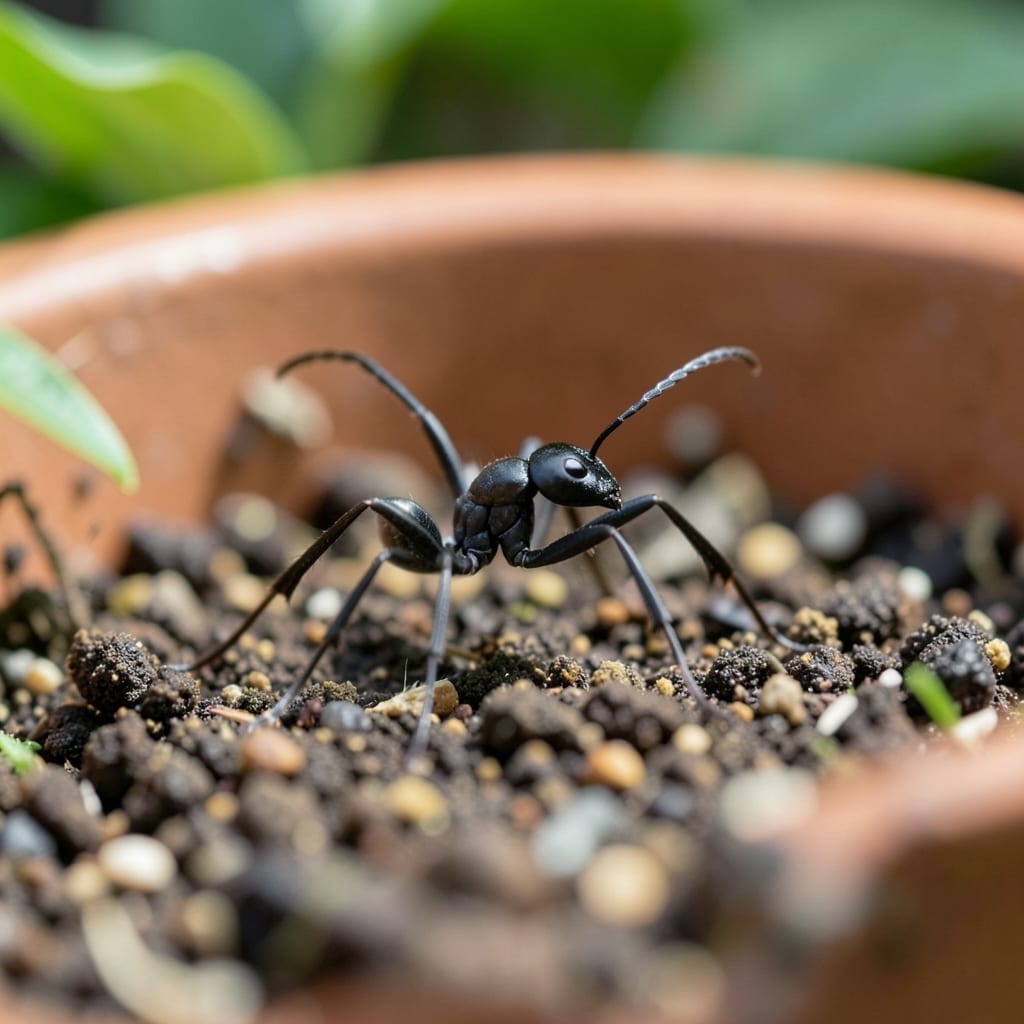
Nothing ruins a peaceful gardening moment like spotting ants marching through your flower pots. I’ve dealt with this nuisance more times than I care to admit, but the solution is simpler than you’d think.
The key is understanding why they’re there in the first place—usually chasing moisture, food, or shelter. Once you address that, they’ll leave just as quickly as they arrived. No fancy equipment needed.
You’ll reclaim your pots with a few household items and a bit of patience. The best part? These methods work fast, often within 24 hours, and keep ants from coming back.
Works for indoor and outdoor plants alike. Let’s send those uninvited guests packing.
Ants don’t randomly wander into your flower pots—they’re drawn in by specific conditions. Understanding these triggers helps you tackle the root of the problem. Here’s why it happens:
Ants are foragers, and their primary goal is to find food. If your potted plants have aphids, mealybugs, or scale insects, these pests secrete a sugary substance called honeydew. Ants are highly attracted to honeydew, as it’s a rich source of carbohydrates. Even spilled nectar or overripe fruit near the pots can lure them in.
Flower pots provide an ideal microhabitat: moist soil, protection from predators, and stable temperatures. Ants may nest in the potting mix, especially if it’s loose and well-draining. Overwatering or poor drainage can make the environment even more appealing, as ants need moisture to survive.
Decomposing leaves, dead insects, or organic fertilizers (like compost or manure) in the soil act as a buffet for ants. They’ll colonize pots to scavenge these materials for their colony. Even small amounts of uneaten pet food or birdseed near the area can encourage an infestation.
Ants can slip through the tiniest cracks or gaps in the pot’s base or rim. If your pots are directly on the ground or placed near ant trails (e.g., along fences or sidewalks), they’ll exploit these pathways. Poorly sealed drainage holes also serve as open doors for them to explore and settle.
Ants in your flower pots can be stubborn, but these targeted solutions will help you reclaim your plants without harsh chemicals. Below are fixes tailored to the most common causes, plus prevention tips to keep them from returning.
Ants love damp soil. If your pot lacks drainage or you’re overwatering:
If ants are after food scraps or sweet plant secretions:
Ants enter pots through cracks or crawl up from the ground. Try these barriers:
💡 Prevention Tip: Elevate pots on stands or saucers with water to deter ants from climbing up. Regularly inspect plants for early signs of ant activity!
No, cinnamon is completely safe for plants and even has antifungal properties. Sprinkle a thin line around the pot’s base to create a natural barrier that ants won’t cross.
Reapply after watering or rain, as moisture reduces its effectiveness. A light dusting every 5-7 days keeps ants away without harming your plants.
Yes, a mild dish soap and water mix (1:4 ratio) can kill ants on contact. Spray directly on trails but avoid soaking the soil to prevent plant damage.
They’re likely drawn by leftover food sources like honeydew or damp soil. Remove attractants and ensure pots have proper drainage to discourage them permanently.