
Beautiful Plants For Your Interior
Beautiful Plants For Your Interior
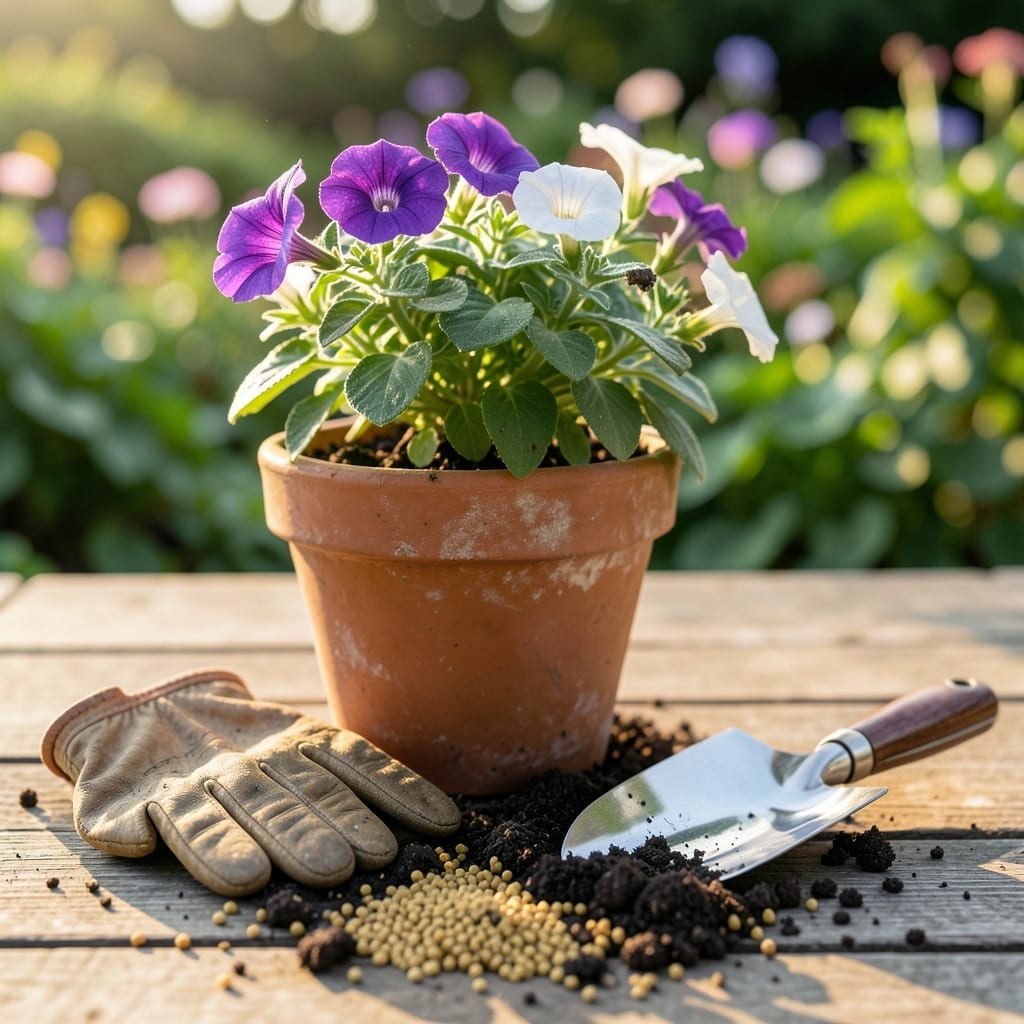
There’s nothing quite like watching 🌸 Petunia burst into vibrant color, and I’ve learned the secret to keeping them thriving all season long.
These beautiful flowers are known as heavy feeders, meaning they need regular nourishment to produce those stunning blooms from spring through frost.
If you want your garden to stay lively and full of life, discover how to feed them the right way at the right time.
I’ll walk you through everything you need to know to keep your Petunia lush, healthy, and blooming nonstop.
Petunias thrive when given a consistent feeding schedule throughout their growing season. I always start by preparing the soil with compost before planting, ensuring a nutrient-rich foundation for these heavy feeders.
Once established, I feed my petunias with a balanced liquid fertilizer, like a 10-10-10 or 20-20-20, every 2-4 weeks. This keeps their blooms vibrant and their growth steady, especially during their peak flowering period.
For the best results, I recommend liquid fertilizers over granular types. Liquid feeds are quickly absorbed by the roots, giving petunias an immediate nutrient boost. I mix mine at half strength to prevent over-fertilization.
Timing is everything when fertilizing petunias. I apply my fertilizer early in the morning so the plants can absorb the nutrients before the heat of the day sets in. This also reduces the risk of leaf burn from the sun.
In the peak of summer, I switch to a light feeding schedule. Instead of fertilizing every week, I stretch it to every 10-14 days. This prevents nutrient burn while still keeping the petunias well-nourished.
I also
Deadheading is another key step I never skip. Removing spent blooms encourages the plant to produce more flowers. Combined with regular feeding, this keeps my petunias looking lush and colorful all season long.
For petunias in hanging baskets or pots, I use a slow-release fertilizer mixed into the potting soil. This provides a steady nutrient supply between my liquid feedings, which is especially helpful during hot weather.
Finally, I always monitor my petunias for signs of over-fertilization, like yellowing leaves or stunted growth. If I notice these, I cut back on feeding and flush the soil with water to remove excess salts.
🌸Choosing the right fertilizer for petunias can make all the difference in their blooming performance. These heavy feeders thrive on a balanced NPK ratio, typically 10-10-10 or 20-20-20, to support vibrant growth.
I always recommend starting with a water-soluble fertilizer for quick absorption, especially during the growing season. This method ensures petunias get immediate nutrients for continuous blooms. 🌸
| Fertilizer Type | NPK Ratio | Best For |
|---|---|---|
| Liquid Fertilizer | 10-10-10 | Quick blooming boost |
| Granular Fertilizer | 20-20-20 | Slow-release feeding |
| Compost Tea | 5-5-5 | Organic nutrient source |
Organic options like compost tea or fish emulsion provide gentle, long-term benefits without chemical buildup. They’re ideal for gardeners preferring natural solutions.
Synthetic fertilizers, on the other hand, offer precise nutrient control and faster results. I use them for container petunias needing a quick boost during peak blooming.
For slow-release granules, apply once at planting and again mid-season. This reduces the feeding frequency while maintaining steady growth.
Remember, over-fertilizing can lead to nutrient burn, so always follow the package instructions and monitor your plants for signs of stress. 🌿