
Beautiful Plants For Your Interior
Beautiful Plants For Your Interior
That half-used bottle of neem oil in your garden shed isn’t just clutter—it’s a disposal challenge that matters more than most gardeners realize. I learned this the hard way after pouring leftover oil down the drain (don’t do that) and spending weeks dealing with the consequences. Neem oil doesn’t break down like soap, and improper […]
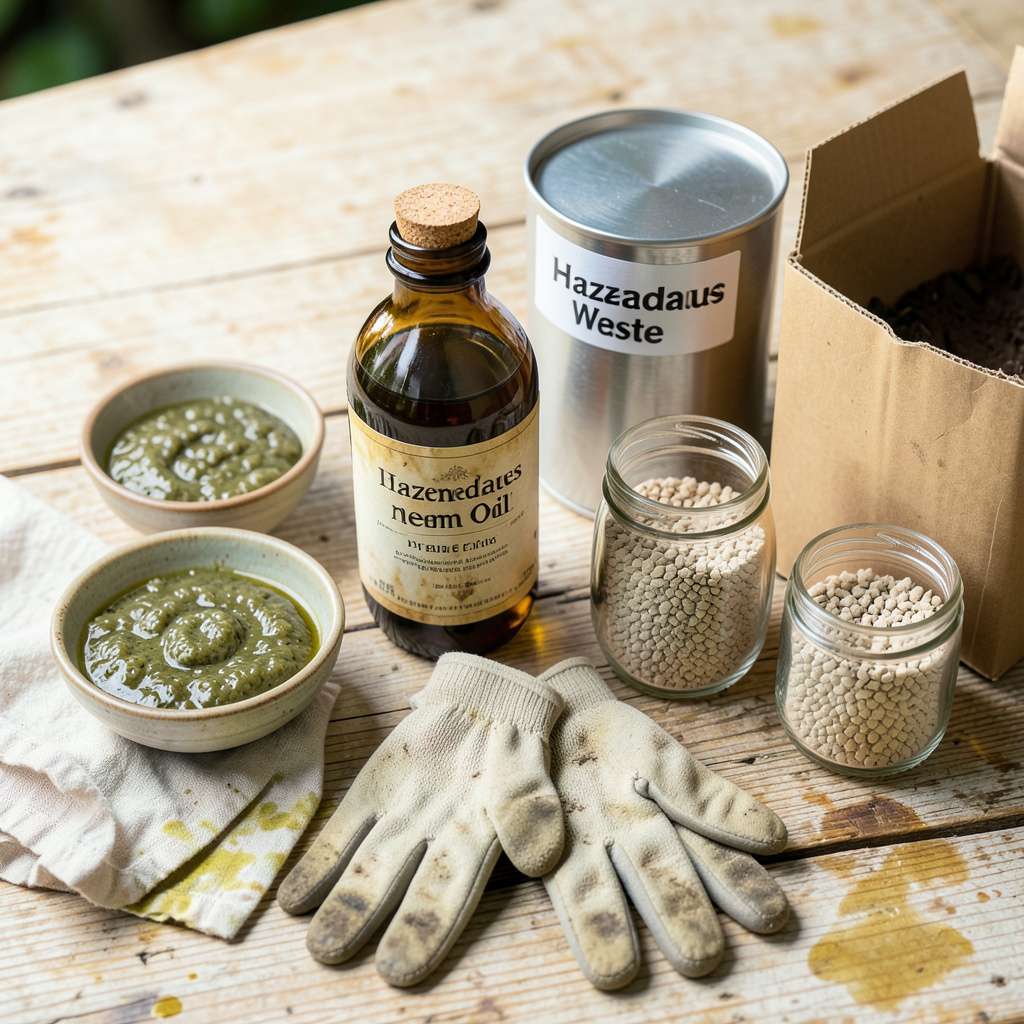
That half-used bottle of neem oil in your garden shed isn’t just clutter—it’s a disposal challenge that matters more than most gardeners realize. I learned this the hard way after pouring leftover oil down the drain (don’t do that) and spending weeks dealing with the consequences. Neem oil doesn’t break down like soap, and improper disposal can harm water systems, soil health, and even beneficial insects we work so hard to protect.
The good news? Safe disposal is simpler than you think, and you might not need to toss it at all. Many gardeners don’t realize you can often extend neem oil’s shelf life with proper storage, or repurpose small amounts for non-garden uses. When disposal is necessary, the right methods protect your local ecosystem while keeping you compliant with regulations that vary by county—something I wish I’d checked before my drainage mishap.
You’ll walk away knowing exactly how to handle leftover oil—whether that means reviving old product, using it up safely, or disposing of it through approved channels. The process takes less than 20 minutes start to finish, and the peace of mind lasts much longer. No special equipment needed, just a bit of knowledge that saves headaches later.
Works for concentrated oil, ready-to-use sprays, and even those mysterious half-empty bottles you inherited with your garden tools. Here’s how to handle it responsibly—because what we do in our gardens doesn’t stay in our gardens.
📚 In This Guide
Nitrile or latex gloves (1 pair) – to avoid skin irritation.
Sealable, leak-proof plastic or glass container (size depends on leftover oil volume).
Funnel (small, for transferring oil without spills).
Household hazardous waste facility contact info (check EPA’s locator).
Here’s how to handle leftover neem oil responsibly—protecting your garden, pets, and local ecosystem in the process.
First, check how Much Neem Oil Per 16 oz Water: Accurate Mixing Ratios for Effective Pest Control“>much neem oil remains and its current state. If the container is more than half full and the oil hasn’t expired (typically 1-2 years from purchase), consider sharing it with a fellow gardener instead of disposing. Unopened, sealed bottles can often be donated to community gardens or plant swaps.
Look for signs of degradation: cloudiness, unusual odors, or separation that doesn’t mix when shaken. These indicate the oil has gone bad and shouldn’t be used on plants. Never pour expired neem oil down drains or onto soil—it can harm beneficial microbes and water sources.
For small quantities (less than 1 cup), mix the oil with absorbent materials like used coffee grounds, cat litter (unscented, clay-based), or sawdust in a sealed container. The ratio should be about 1 part oil to 3 parts absorbent. This creates a stable mixture that won’t leach.
Let it sit for 24-48 hours until the mixture becomes crumbly. You’ll know it’s ready when it no longer feels greasy to the touch. This absorbed material can then be placed in your regular trash—never compost it, as neem oil residues can persist and disrupt decomposition.
For larger amounts (more than 1 cup), use a solidifying agent like kitty litter or commercial oil solidifiers designed for automotive waste. Add the neem oil slowly to the absorbent in a sturdy container, stirring as you go. The mixture should become thick and paste-like within 10-15 minutes.
Once fully solidified (test by tilting the container—nothing should slosh), seal it tightly in a heavy-duty trash bag. Label the bag clearly as “Non-Recyclable Garden Waste” before placing in your outdoor trash bin. This prevents accidental spills that could contaminate recycling streams or harm sanitation workers.
Rinse empty neem oil containers with warm, soapy water—never use bleach, as it can create toxic reactions with residual oil. I find adding 1 tablespoon of baking soda to the rinse water helps break down any remaining film. Rinse three times to ensure all traces are removed.
Check your local recycling guidelines before tossing the container. Many municipalities accept #1 or #2 plastic bottles after thorough cleaning, but some require them in the trash due to pesticide residue concerns. When in doubt, play it safe and dispose with regular household waste to avoid contaminating recycling batches.
Keep a quick note in your gardening journal or phone about how much you disposed of and the method used. Include the date and any observations about the oil’s condition. This helps track usage patterns—you might realize you’re consistently overbuying and can purchase smaller quantities next time.
I also jot down which plants I used the oil on most frequently. This reveals whether I’m applying it more often than needed (neem oil should typically be used every 7-14 days for pest control). Adjusting application rates often reduces leftover amounts significantly in future seasons.
After years of gardening with neem oil, I’ve learned these practical lessons the hard way—here’s how to avoid common disposal mistakes while keeping your garden and local ecosystem safe.
The Absorption Test: In Step 2, when mixing neem oil with absorbents like coffee grounds or kitty litter, don’t rush the process. The 1 part oil to 3 parts absorbent ratio is critical—too little absorbent and the mixture stays greasy, too much and it won’t solidify properly. I use a clean paint stirrer to thoroughly combine everything, scraping the sides of the container to ensure complete mixing before the 24-48 hour waiting period begins.
Solidification Shortcut: For Step 3 with larger quantities, here’s what nobody tells you—commercial oil solidifiers (the kind used for automotive waste) work significantly faster than kitty litter. While both will solidify within 10-15 minutes, the commercial products create a more stable, non-leaching solid that’s easier to handle. I keep a small container on hand specifically for garden waste disposal.
Container Cleaning Hack: When following Step 4, I’ve found that adding 1 tablespoon of baking soda to the rinse water isn’t just helpful—it’s essential for removing that stubborn oily film. The baking soda creates a mild abrasive action when you shake the container with warm water. Rinse three times as directed, but on that third rinse, let the soapy water sit in the container for 5 minutes before the final dump—this extra step removes traces that might otherwise linger.
Documentation That Saves Money: Step 5’s suggestion about tracking disposal might seem unnecessary until you realize how much neem oil you’re actually wasting. I use a simple spreadsheet to note each disposal event, and it revealed I was consistently over-applying neem oil (every 5 days instead of the recommended 7-14 days). Adjusting my application schedule cut my neem oil purchases by nearly half the next season.
No! Neem oil can clog pipes and harm water systems. Even small amounts may disrupt septic tanks or municipal treatment. Instead, absorb it with kitty litter or sawdust, then dispose of it in sealed trash bags. Check local regulations—some areas classify it as hazardous waste.
Once diluted, neem oil loses potency within 8–24 hours. Use mixed solutions immediately for best results. If you have leftovers, avoid storing them—dispose of them responsibly (e.g., soil absorption for small amounts or trash for larger quantities).
For unmixed, expired oil, contact your local waste facility—many accept it as household hazardous waste. If allowed, mix small amounts into compost (≤1 tbsp per gallon) or use as a wood preservative for non-food surfaces.
Only if thoroughly cleaned! Wash containers with hot, soapy water and a scrub brush to remove residue. For plastic bottles, check the recycling symbol (#1 or #2 are often recyclable). Never reuse for food storage—trace oils can contaminate.
Yes! For small quantities:
Avoid dumping—even “natural” oils can harm ecosystems.
Properly disposing of neem oil doesn’t have to be complicated—just eco-conscious and safe! 🌱 Whether you’re reusing small amounts, diluting it for compost, or contacting local waste facilities for larger quantities, the key is to avoid harming the environment while keeping your space clean. Now that you’re equipped with the right methods, take a quick inventory of your leftover neem oil and pick the disposal route that works best for you. Ready to tackle another gardening task? Check out our guide on storing neem oil for long-term use to keep your supply fresh and effective!
