
Beautiful Plants For Your Interior
Beautiful Plants For Your Interior
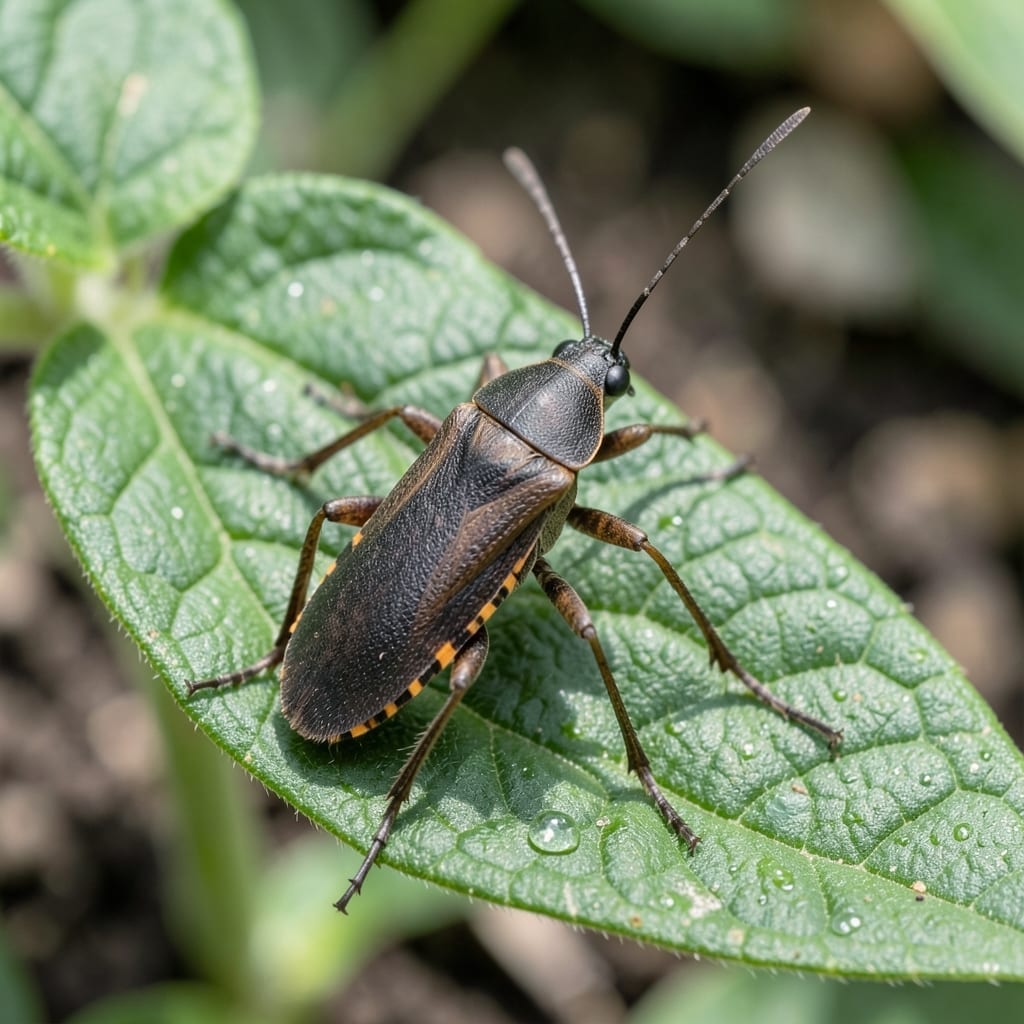
Kissing bugs in your garden are more than just creepy—they can disrupt your outdoor peace. I’ve tackled this problem head-on with natural methods that actually work.
The key is understanding their behavior. They’re drawn to light, warmth, and hiding spots. Sealing entry points and removing debris makes your space way less inviting.
You’ll notice fewer bugs within 2-3 weeks of consistent prevention. The best part? These solutions are safe for plants, pets, and people.
Works for patios, gardens, and even indoor spaces near entry points. Here’s how to reclaim your outdoor areas.
Kissing bugs, also known as triatomines, are drawn to human homes for specific biological and environmental reasons. Understanding these causes can help you take targeted action to keep them away.
Like many blood-feeding insects, kissing bugs are highly sensitive to carbon dioxide (CO₂), which humans and pets exhale. They use CO₂ as a primary cue to locate hosts, often detecting it from several meters away. This is why they’re more active at night when people are sleeping and emitting steady CO₂.
Kissing bugs thrive in cracked walls, thatched roofs, or cluttered areas where they can hide during the day. They prefer dark, undisturbed spaces like under mattresses, behind furniture, or in wood piles. Poorly sealed homes or outdoor structures (e.g., sheds, chicken coops) provide ideal harborages.
These bugs feed on blood to survive and reproduce. Homes with pets, livestock, or rodents (like raccoons or rats nesting nearby) create a steady food source. Even wild animals near your property can attract kissing bugs, increasing the risk of them venturing indoors in search of a meal.
Kissing bugs are more active in warmer climates (common in the southern U.S. and Latin America) and seek out humid environments. They’re often found in areas with poor ventilation or high moisture levels, such as basements or crawl spaces. Seasonal temperature shifts can also drive them indoors to escape extreme heat or cold.
Kissing bugs can be a nuisance, but with the right approach, you can keep them at bay. Here are practical solutions to address common causes and prevent infestations:
Kissing bugs often sneak in through cracks and gaps. Inspect your home for openings around windows, doors, and foundations. Use caulk or weatherstripping to seal these entry points. Pay special attention to areas where utility lines enter your home, as these are common access points for pests.
Clutter provides hiding spots for kissing bugs. Keep your home tidy, especially in storage areas like basements, attics, and garages. Regularly clean and organize these spaces to eliminate potential habitats. Store items in sealed plastic containers rather than cardboard boxes, which can attract pests.
Certain scents can deter kissing bugs. Plant citronella, lavender, or marigolds around your home’s perimeter to create a natural barrier. You can also use essential oils like eucalyptus or peppermint in diffusers or sprays to repel these insects. Reapply natural repellents regularly for best results.
Kissing bugs thrive in outdoor debris. Remove leaf litter, woodpiles, and tall grass near your home to reduce their breeding grounds. Trim bushes and trees away from your house to minimize access points. Regularly clean your yard to keep it free of attractants.
Prevention Tip: Install screens on windows and doors to block entry while allowing ventilation. Check screens regularly for tears or gaps and repair them promptly.
Yes, oils like eucalyptus, peppermint, and citronella can repel them when used in sprays or diffusers. Reapply every 2-3 days for best results.
Check entry points and hiding spots monthly, especially in warmer months. Focus on cracks, woodpiles, and pet areas.
Use EPA-approved insecticides labeled for triatomines. Apply outdoors first, and avoid indoor use unless absolutely necessary.
Ignoring outdoor clutter like leaf piles or wood stacks. These are prime breeding spots—clean them up first.