
Beautiful Plants For Your Interior
Beautiful Plants For Your Interior
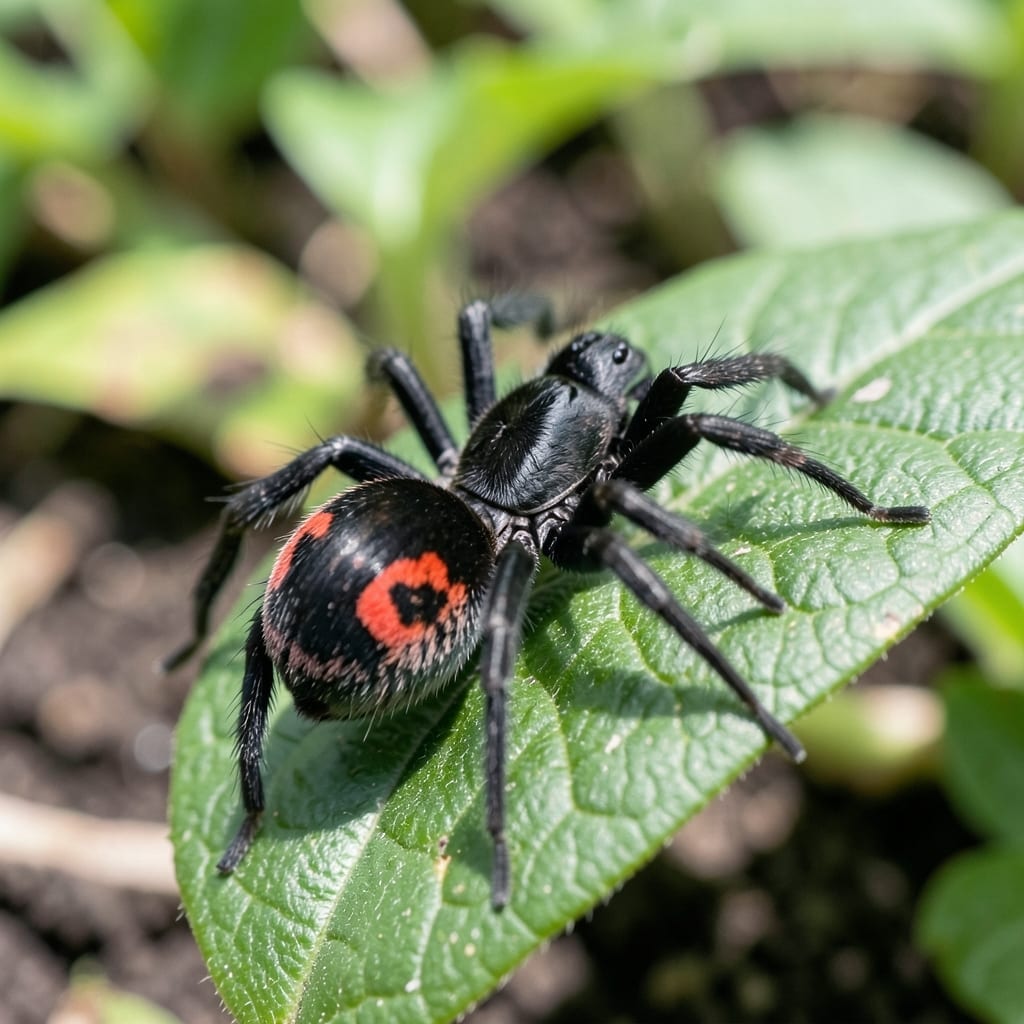
Black widows in the garden turn a peaceful space into a hazard zone. I learned the hard way that these spiders love dark corners, woodpiles, and cluttered sheds—exactly where gardeners store tools and supplies.
Non-toxic prevention starts with simpler habits than you’d expect. Regular cleaning, sealing entry points, and removing hiding spots make your garden less inviting. The key is consistency, not complicated solutions.
Natural repellents like peppermint oil or diatomaceous earth work surprisingly well. They’re safe for plants, pets, and people, but deadly to spiders trying to move in.
With a few changes, you’ll spot fewer webs and feel safer working in your space. Here’s how to keep them out for good.
Black widow spiders don’t just appear randomly—they’re drawn to specific conditions that fulfill their survival needs. Understanding these triggers helps you disrupt their appeal before they settle in. Here’s why they show up in the first place:
Black widows seek dark, undisturbed areas to build their webs and lay eggs. Cluttered garages, woodpiles, sheds, and even dense shrubbery provide the perfect hiding spots. Their webs are irregular and three-dimensional, designed to catch prey efficiently in secluded spaces. Reducing clutter and sealing entry points removes their preferred real estate.
These spiders thrive where other insects are plentiful. Flies, mosquitoes, beetles, and even other spiders make up their diet. If your property has a high insect population—due to standing water, poor sanitation, or outdoor lighting—it becomes a buffet for black widows. Eliminating insect attractants (like food scraps or stagnant water) indirectly deters them.
Black widows prefer temperatures between 70–80°F (21–27°C) and moderate humidity. Basements, crawl spaces, and mulched garden beds often meet these conditions. In colder months, they may seek refuge indoors. Improving ventilation and reducing moisture (e.g., with dehumidifiers or proper drainage) makes your space less inviting.
In balanced ecosystems, birds, wasps, and other spiders keep black widow populations in check. However, pesticide overuse can wipe out these predators, giving black widows free rein. Encouraging biodiversity—like installing birdhouses or avoiding broad-spectrum insecticides—helps maintain natural control.
Black widow spiders can be effectively deterred with a mix of proactive measures and targeted fixes. Below are practical solutions mapped to common causes, along with prevention tips to keep your home spider-free.
Black widows love dark, undisturbed spaces like basements, garages, and sheds. Clear clutter (old boxes, wood piles, or unused items) where they might nest. Seal cracks in walls, doors, and windows with caulk, and install door sweeps to block entry. Pay special attention to gaps around utility lines and vents.
Reduce outdoor hiding spots by trimming bushes and tall grass near your home’s foundation. Remove leaf litter and woodpiles from your yard, as these are prime real estate for black widows. Store firewood at least 20 feet away from your house and elevate it off the ground.
Pro tip 💡: Use a gravel or stone border around your home’s perimeter to create a less appealing environment for spiders.
Black widows seek damp areas, so fix leaky pipes, faucets, and gutters to eliminate moisture. Use dehumidifiers in basements and crawl spaces, and improve ventilation in storage areas to keep humidity low. Ensure attics and under-sink cabinets are dry and well-ventilated.
For active infestations, use natural repellents like peppermint, tea tree, or eucalyptus essential oils (mix 10-15 drops with water in a spray bottle and apply to entry points). Set up glue traps in corners, under furniture, and along baseboards to capture spiders. Vacuum regularly (including under furniture and in crevices) to remove webs, egg sacs, and hiding spiders—dispose of the vacuum bag immediately.
Pro tip 🎯: Diatomaceous earth (food-grade) can be sprinkled in dry areas like attics or garages to dehydrate and kill spiders naturally.
By addressing these root causes and maintaining a clean, dry, and sealed environment, you’ll make your home far less inviting to black widows—without relying on harsh chemicals.
Peppermint, tea tree, and eucalyptus oils are highly effective. Mix 10-15 drops with water in a spray bottle and apply to entry points. These scents disrupt their sensory receptors, making your space unappealing.
Vacuum and dust weekly, focusing on corners, under furniture, and storage areas. Regular cleaning removes webs, egg sacs, and hiding spots before they become established. Consistency is key to long-term prevention.
Food-grade diatomaceous earth is non-toxic for pets, but avoid inhaling it. Sprinkle lightly in dry areas like garages or attics, and keep pets away until dust settles. It dehydrates spiders naturally without chemicals.