
Beautiful Plants For Your Interior
Beautiful Plants For Your Interior
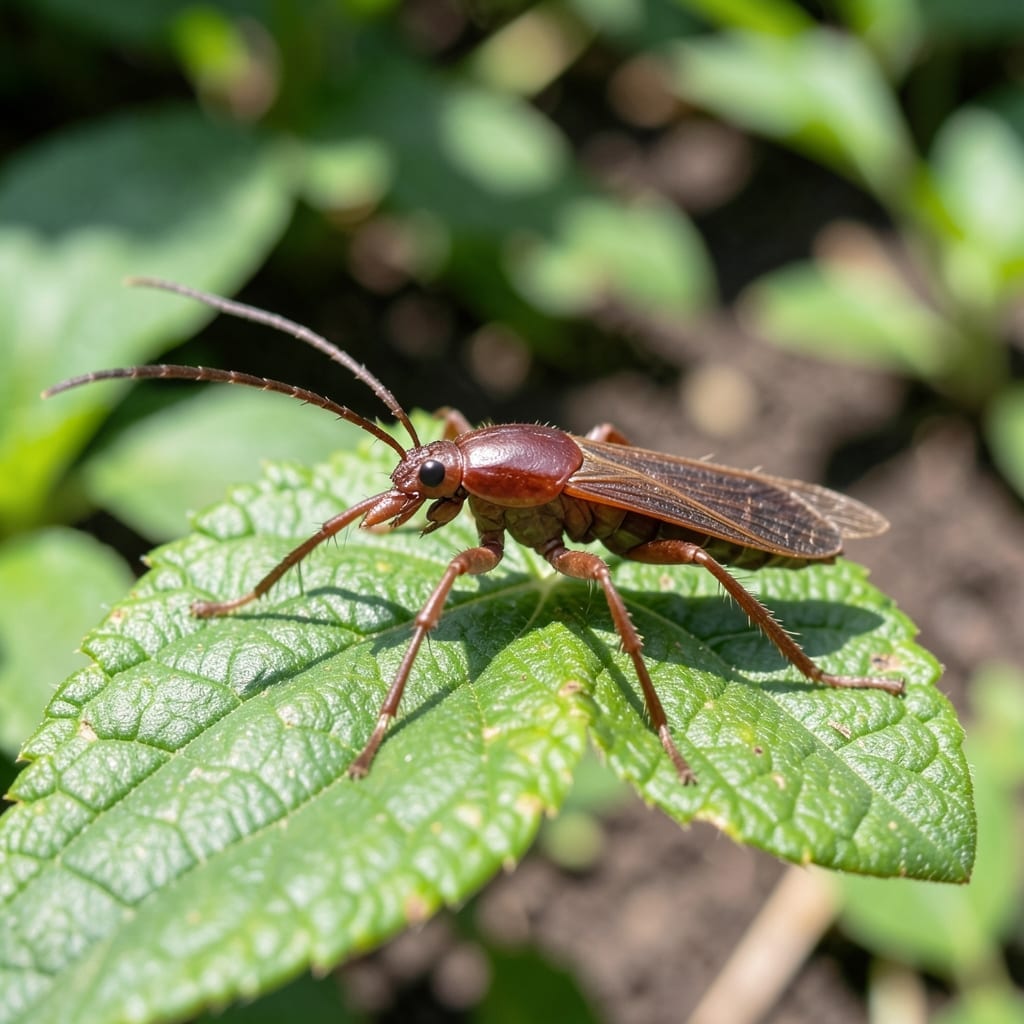
Earwigs turn your garden into their personal buffet overnight. I lost an entire row of dahlias to these nocturnal feeders before figuring out their patterns and weaknesses.
The solution isn’t complicated—it’s about timing and strategy. These pests come out after dark, which means your defense needs to work when you’re asleep. A few simple traps and habitat adjustments make all the difference.
Within 48 hours, you’ll see fewer chewed leaves and damaged blooms. The garden starts recovering almost immediately once you break their nightly routine.
Works for flower beds, vegetable patches, and container gardens alike. Here’s how to reclaim your plants from these after-dark invaders.
Earwigs thrive in specific conditions, and understanding why they appear is the first step to managing them. These nocturnal pests are drawn to environments that meet their survival needs. Below are the primary causes of earwig infestations in your garden or home.
Earwigs are highly attracted to moisture. They seek out damp, humid areas to nest, such as under mulch, leaf litter, or in overwatered garden beds. Their bodies are prone to desiccation, so they gravitate toward places where they can retain hydration. Poor drainage, leaky faucets, or thick organic debris create ideal breeding grounds for these insects.
Gardens with excessive organic matter—like fallen leaves, wood piles, or dense mulch—provide both shelter and food for earwigs. They feed on decomposing plant material, fungi, and even other small insects. If your yard has uncomposted piles or thick layers of leaves, you’re essentially rolling out the welcome mat for these pests.
Earwigs are nocturnal and spend their days hiding in dark, tight spaces. Cracks in foundations, gaps under doors, or cluttered storage areas (like sheds or garages) offer perfect daytime hideouts. At night, they emerge to forage, often making their way into homes through small entry points in search of moisture or food.
Tall grass, dense shrubs, and untrimmed plants create a microclimate that earwigs love. These areas trap moisture and provide ample hiding spots. Gardens with poor airflow and excessive ground cover are particularly vulnerable, as they mimic the earwig’s natural habitat of forest floors and decaying logs.
Earwigs can be a nuisance, but tackling them doesn’t have to be complicated. Here’s how to address the most common causes and keep your garden or home earwig-free.
Earwigs thrive in damp environments. Fix leaks, improve drainage, and remove standing water in your garden. Use a dehumidifier in basements or crawl spaces. Pro tip: 💡 Mulch with cedar chips—it repels earwigs and dries out soil.
Earwigs hide in dense plants, leaf litter, and wood piles. Trim overgrown bushes, rake up leaves, and store firewood at least 20 feet from your home. Keep your garden tidy to eliminate their favorite hiding spots.
Inspect your home’s exterior for cracks in the foundation, gaps around doors, or torn window screens. Seal these entry points with caulk or weatherstripping. Pro tip: 🎯 Install door sweeps to block earwigs from slipping inside.
Earwigs are drawn to bright lights at night. Switch to yellow bug lights or sodium vapor bulbs, which are less attractive to insects. Alternatively, turn off outdoor lights when not in use.
Earwigs feed on decaying plant matter. Clear away fallen fruit, compost piles, and rotting wood. Store compost in sealed bins and keep your garden free of organic debris.
Prevention Tips:
No, earwigs don’t bite humans aggressively and aren’t venomous. While they can pinch if threatened, it’s rarely painful and causes no lasting harm. They’re more of a garden nuisance than a danger.
They seek moisture and shelter, especially during dry or hot weather. Cracks in foundations or gaps under doors provide easy entry. Fixing leaks and sealing entry points helps keep them outside.
Yes! Diatomaceous earth, cedar mulch, and damp newspaper traps are effective and chemical-free. These methods disrupt their habitat and dehydrate or capture them without harsh pesticides.