
Beautiful Plants For Your Interior
Beautiful Plants For Your Interior
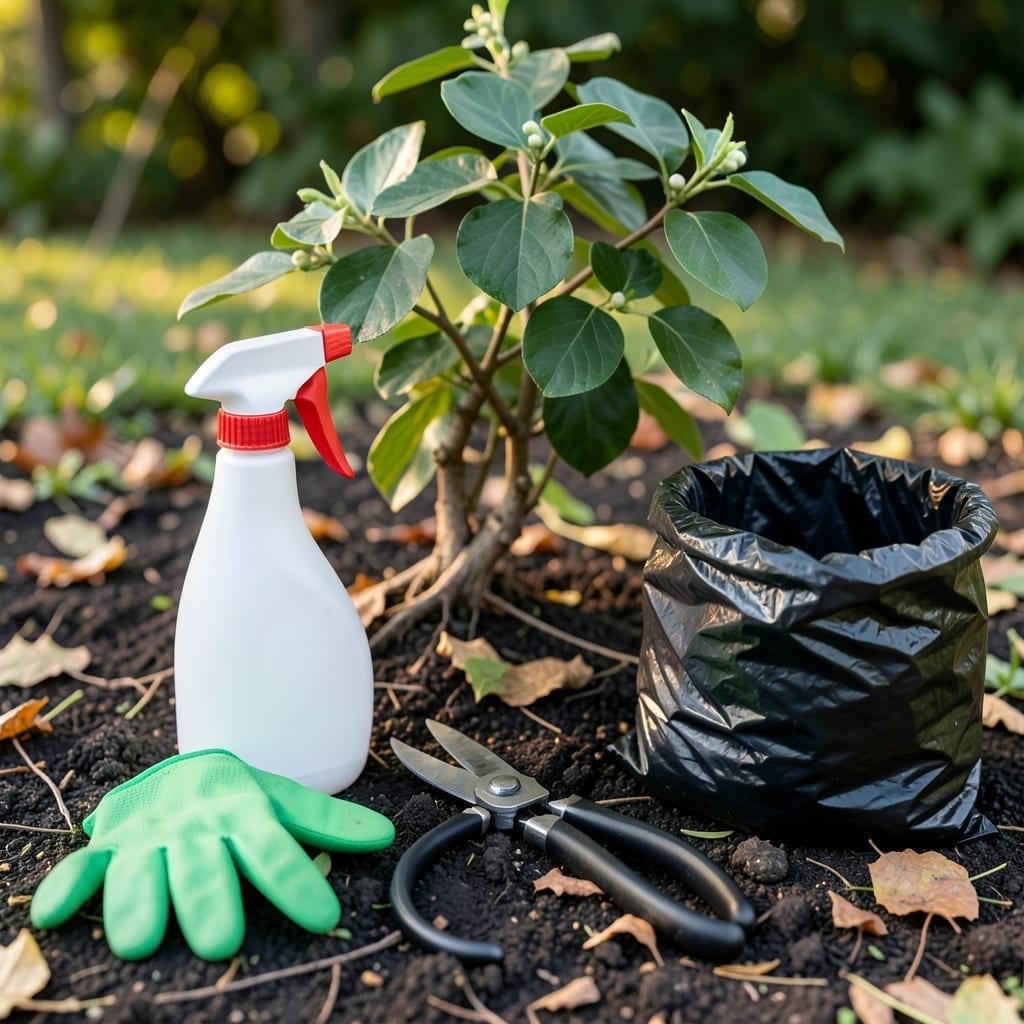
That three-leaf menace doesn’t have to win. I’ve battled poison ivy in my garden for years, and I’ve learned the fastest ways to evict it without making the rash worse.
Safety comes first—gloves, long sleeves, and immediate washing are non-negotiable. The key is removing the roots, not just the leaves, to prevent regrowth. Most people miss the hidden runners underground.
You’ll see results within 24-48 hours using these methods. The itching fades first, then the blisters dry up, and your skin starts healing. No more weeks of misery.
Works for gardens, lawns, or anywhere this plant tries to take over. Here’s the battle plan.
Poison ivy rashes are an allergic reaction triggered by contact with urushiol, a naturally occurring oil found in the plant’s leaves, stems, and roots. Here’s why your skin reacts—and how to stop it in its tracks.
Urushiol binds to proteins in your skin, prompting your immune system to overreact. This oil is extremely potent—just 1 nanogram (a billionth of a gram) can cause a rash in sensitive individuals. Even indirect contact—like touching contaminated clothing or pet fur—can transfer the oil and trigger a reaction.
Your body doesn’t react immediately. The rash typically appears 12 to 48 hours after exposure as your immune system recognizes urushiol as a threat and releases histamine, causing itching, redness, and blisters. The severity depends on your sensitivity and how much oil your skin absorbed.
Poison ivy thrives in wooded areas, but it can also grow in urban parks or backyards. Brushing against the plant, handling firewood with vines, or even inhaling smoke from burning poison ivy (which releases urushiol particles into the air) can lead to a rash—or worse, lung irritation.
Understanding these causes helps you act fast: washing the skin within 10–15 minutes of exposure can remove urushiol before it binds, potentially preventing the rash entirely.
Dealing with poison ivy quickly requires targeted action. Here’s how to tackle the most common issues and find relief fast.
If you’ve touched poison ivy, wash the area immediately with cool water and soap (like dish soap or specialized poison ivy cleansers). This removes the plant’s oil, urushiol, which causes the rash. Avoid hot water, as it can open pores and spread the oil. Scrub gently but thoroughly, including under nails, and rinse for at least 30 seconds.
Once a rash develops, calamine lotion or hydrocortisone cream can reduce itching and inflammation. For a DIY fix, try a cool compress or an oatmeal bath to ease discomfort. Over-the-counter antihistamines like Benadryl can also help with itching and sleep.
Pro tip 💡: Avoid scratching, as it can lead to infection. Keep the area clean and dry.
If blisters appear, leave them intact to avoid infection. Apply a sterile bandage if they’re oozing. Use antibacterial ointment if the skin is broken. For severe cases, see a doctor—oral steroids may be needed.
Wash within 10-15 minutes of contact. The faster you remove urushiol oil, the less severe the reaction will be. Use cool water and soap, scrubbing gently for at least 30 seconds.
Calamine lotion or hydrocortisone cream works quickly. For instant relief, try a cool compress or an oatmeal bath. Avoid scratching, as it can lead to infection.
No, leave blisters intact to prevent infection. If they’re oozing, cover with a sterile bandage and apply antibacterial ointment. Severe cases may need medical attention.
Wash all clothes, tools, and pets that may have touched the plant. Urushiol can linger on surfaces for months, so clean thoroughly with soap and water.