
Beautiful Plants For Your Interior
Beautiful Plants For Your Interior
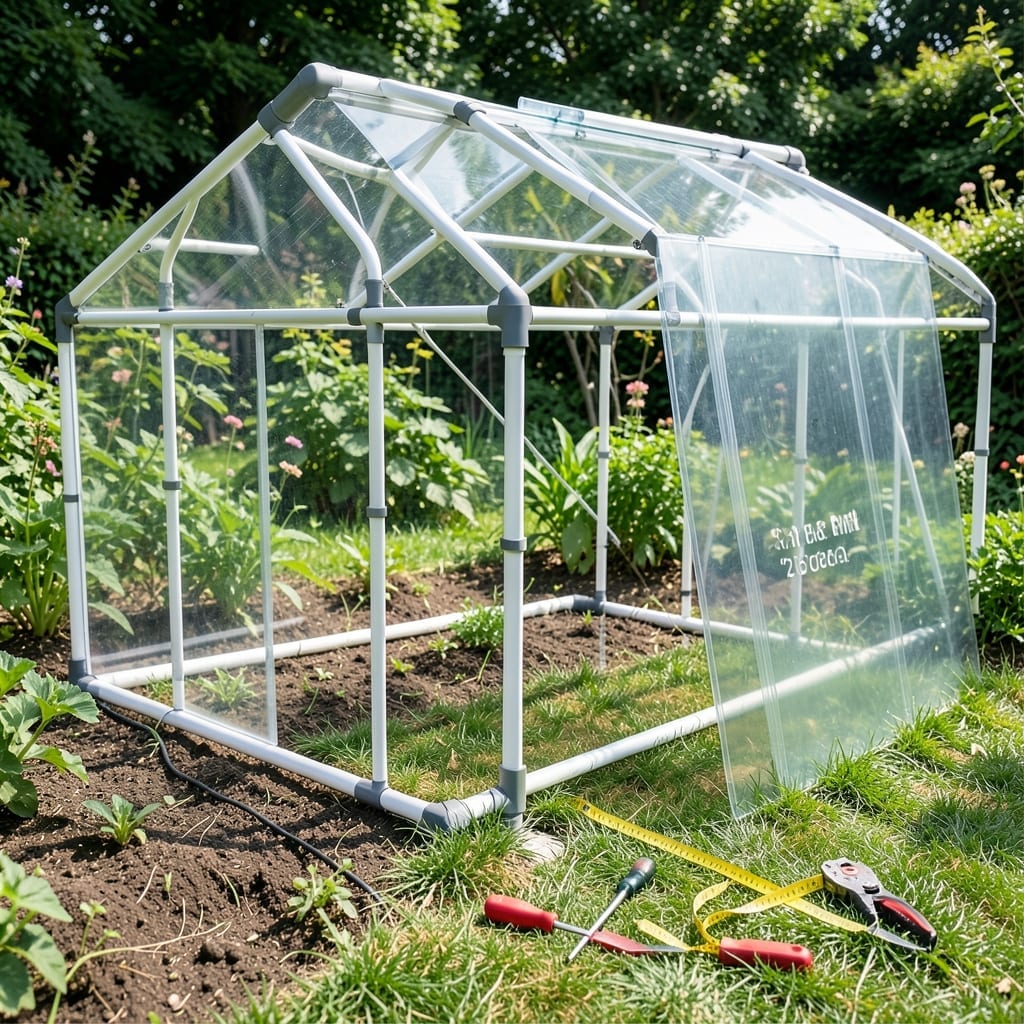
Imagine stepping into your 🏡 Greenhouse on a chilly morning, surrounded by thriving plants that defy the season. That dream is closer than you think, and it doesn’t require a fortune to achieve.
Building with PVC pipe offers a budget-friendly way to create a durable structure that protects your plants year-round. It’s a project that’s as practical as it is rewarding.
I’ve tested this method myself, and the results were beyond what I expected. With just a few materials and some basic tools, you can have a functional greenhouse ready in no time.
Let me walk you through the easiest way to make it happen, so you can start growing faster and with more confidence than ever before.
Building your own PVC pipe greenhouse is easier than you think. I started with a simple 10×12 foot design that cost less than $200 in materials. The lightweight pipes make assembly quick, even for beginners like me. No heavy lifting required here!
First, gather your essential tools: a tape measure, PVC cutter, and drill. You’ll also need 1-inch PVC pipes for the frame and UV-resistant plastic sheeting for the cover. Don’t forget PVC connectors to hold everything together securely.
I recommend using Schedule 40 PVC for durability. It handles snow loads better than thinner pipes. For a 10-foot wide greenhouse, space your arches every 2 feet to maintain stability.
The plastic covering should be 6 mil thick for UV protection. Clear sheeting works best for maximum light transmission, but greenhouse plastic is even better. Secure it with 1×2 wood strips screwed into the frame.
For anchoring, I used rebar stakes driven into the ground through the base pipes. This prevents the structure from blowing away in strong winds. In areas with heavy snow, add internal supports for extra strength.
Ventilation is crucial to prevent overheating. I installed automatic vent openers that activate at 75°F. You can also add manual roll-up sides for better airflow control.
Consider adding a shade cloth for summer use. This reduces heat buildup while still allowing 60-70% light through. I use a 50% shade cloth for my tomato plants during peak summer.
For the floor, I laid down landscape fabric to prevent weeds, then added gravel for drainage. This keeps the interior clean and dry. You can also use paving stones for a more permanent solution.
Finally, add shelf supports along the sides for potted plants or seedling trays. This maximizes your growing space. My greenhouse now houses 50+ plants with room to spare! 🌱
When planning your DIY greenhouse, cost is a major factor. I’ve found that PVC pipe greenhouses offer significant savings over wood or metal alternatives while still providing durability and functionality for year-round gardening.
A PVC greenhouse typically costs 50-70% less than traditional materials. The lightweight design also makes it easier to assemble and modify as your gardening needs evolve.
| Material | Cost Estimate | Durability | Ease of Assembly |
|---|---|---|---|
| PVC Pipe | $200-$500 | Moderate | Very Easy |
| Wood Frame | $800-$1500 | High | Moderate |
| Metal Frame | $1200-$2500 | Very High | Difficult |
For budget-conscious gardeners, PVC is the clear winner. It’s weather-resistant and won’t rot like wood, though it may need UV protection for long-term use in sunny climates.
Wood offers a natural aesthetic and better insulation but requires regular maintenance. Metal frames are the most durable but come with a higher price tag and can be harder to work with.
I recommend PVC for beginners or those needing a temporary solution. It’s perfect for small to medium greenhouses where cost and flexibility matter most.
Remember, your plant needs should guide your choice. For heavy-duty use, metal might be worth the investment, but for most home gardeners, PVC strikes the ideal balance of affordability and performance. ☀️