
Beautiful Plants For Your Interior
Beautiful Plants For Your Interior
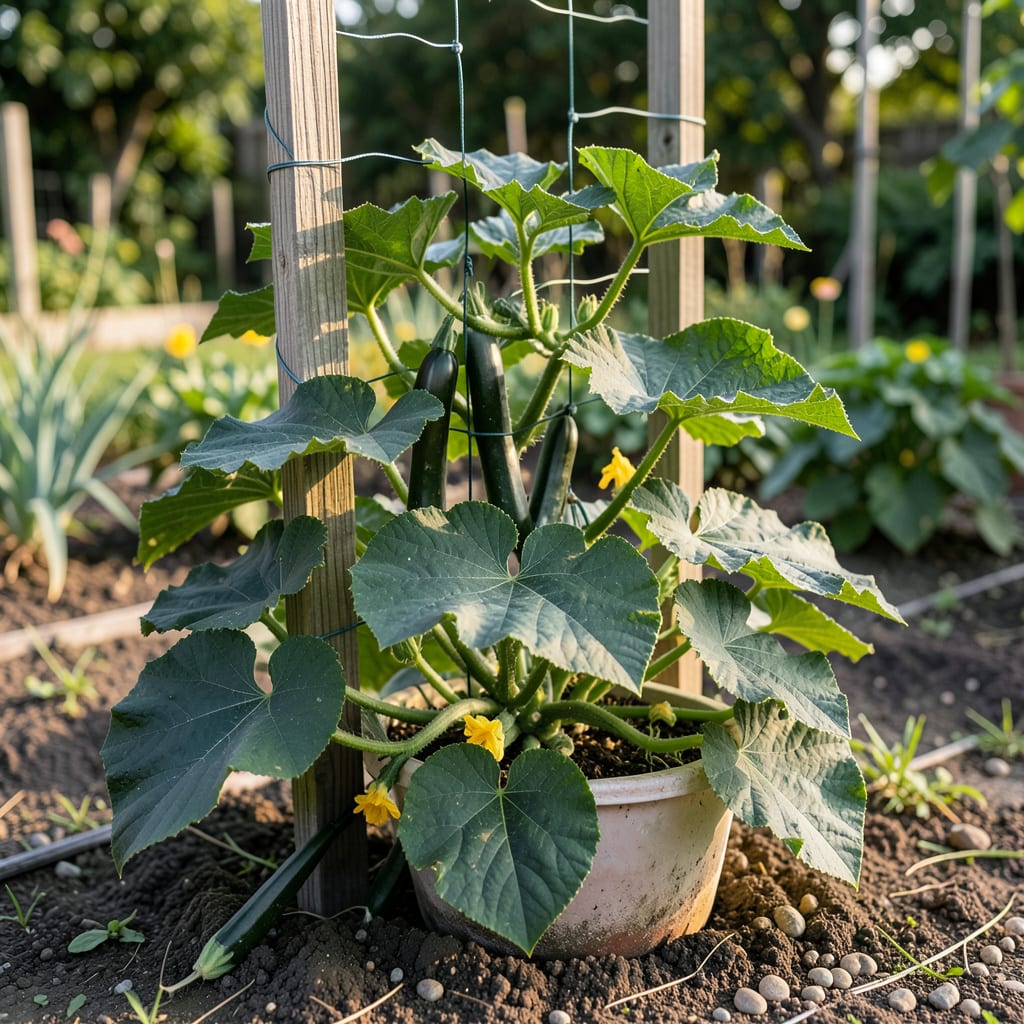
Growing Zucchini 🥒 vertically is a great way to maximize space in your garden. Understanding its vertical growth potential is key to a bountiful harvest.
In ideal conditions, Zucchini can grow quite tall – typically reaching heights of 3 to 5 feet. With proper support and care, you can make the most of your vertical garden and enjoy a healthy crop.

Growing zucchini vertically is an excellent way to maximize garden space while enjoying a bountiful harvest. The vertical growth potential of zucchini plants is quite impressive, making them ideal for gardeners with limited space.
Zucchini plants are naturally vining and can grow quite tall when provided with the right support. In ideal conditions, they can reach heights of 3 to 5 feet, with some varieties growing even taller.
The vertical growth of zucchini is influenced by several factors, including the variety, growing conditions, and the type of support provided. Some zucchini varieties are naturally more compact, while others are bred for their vining habit and can grow quite long.
To maximize the vertical growth potential of your zucchini plants, it’s essential to provide them with a sturdy support system. This can be in the form of a trellis, a stake, or a cage that allows the plants to climb and spread upwards. Providing the right support will not only help the plants grow taller but also make it easier to harvest the fruit.
Some key factors that affect zucchini’s vertical growth include:
By understanding the growth habits of zucchini and providing the right conditions, you can enjoy a thriving vertical garden. Whether you’re a seasoned gardener or just starting out, growing zucchini vertically is a great way to make the most of your space and enjoy a delicious harvest 🌿.
Zucchini plants are warm-season crops that thrive in USDA Zone 6 and similar climates. They require a frost-free period of around 165 days to mature fully.
The ideal time to plant zucchini is in late spring, after the last frost, when the soil has warmed up to at least 60°F. This allows the plants to establish themselves before the heat of summer.
In terms of light requirements, zucchini plants need full sun, which means they should receive at least 6 hours of direct sunlight per day. This ensures that they grow strong and healthy, producing plenty of fruit.
When it comes to watering, zucchini plants prefer consistent moisture. They need about 1 to 2 inches of water per week, either from rainfall or irrigation. It’s best to water them in the morning to minimize evaporation and reduce the risk of fungal diseases.
To further support their growth, zucchini plants benefit from regular fertilization. A balanced fertilizer with an NPK ratio of 10-10-10 is ideal. Apply the fertilizer every 4 to 6 weeks, following the manufacturer’s instructions for the correct dosage.
By following these guidelines and providing your zucchini plants with the right care, you can enjoy a bountiful harvest of delicious, homegrown zucchini 🌼.
When growing zucchini vertically, providing the right support system is crucial for maximizing space and yield. The right support helps the plants grow upwards, making the most of your garden’s vertical space.
There are several vertical support systems that work well for zucchini plants. These include trellises, stakes, and cages, each offering unique benefits depending on your garden’s specific needs.
The choice of support system depends on your garden’s layout and the number of zucchini plants you’re growing. For larger gardens, a trellis might be more suitable, while smaller gardens might benefit from stakes or cages.
When selecting a support system, consider the mature size of your zucchini plants and the weight of the fruit they will produce. A sturdy support ensures that the plants remain healthy and productive throughout the growing season 🌿.
In addition to providing structural support, these systems also help in keeping the fruit off the ground, reducing the risk of rot and other diseases. This makes harvesting easier and more efficient.
By choosing the right vertical support system, you can enjoy a healthier and more productive zucchini crop, making the most of your garden’s space 🌼.
To maximize the vertical growth of your zucchini plants, it’s essential to provide them with the right conditions and care. This includes proper pruning, training the vines, and optimizing growing conditions.
Regular pruning helps control plant size and encourages fruiting. Remove weak or damaged stems to promote healthy growth.
Pruning is a critical step in maximizing vertical zucchini growth. By removing weak or damaged stems, you can direct the plant’s energy towards producing healthy growth and fruit. Prune your zucchini plants regularly, cutting back any overgrown or spindly stems to maintain a balanced shape.
Training the vines is another important aspect of maximizing vertical growth. Gently twine the stems around the support system, making sure not to damage the plant. This will help the zucchini climb upwards and make the most of your garden’s vertical space.
In addition to pruning and training, optimizing growing conditions is crucial for maximizing vertical zucchini growth. Ensure your plants receive full sun, with at least 6 hours of direct sunlight per day. The soil should be rich and well-draining, with a balanced fertilizer applied every 4 to 6 weeks.
Consistent moisture is also vital for healthy zucchini growth. Water your plants regularly, providing about 1 to 2 inches of water per week. It’s best to water in the morning to minimize evaporation and reduce the risk of fungal diseases.
By following these maximizing tips, you can enjoy a bountiful harvest of delicious, homegrown zucchini while making the most of your garden’s space 🌼.
Regular monitoring of your zucchini plants will help you identify any issues early, allowing you to take corrective action. Keep an eye out for signs of pests or diseases, and be prepared to adjust your care routine as needed.
With the right care and attention, your zucchini plants will thrive, providing you with a productive and healthy crop. Happy gardening! 🌿
Zucchini plants can grow 3 to 5 feet tall when provided with proper vertical support. Some varieties may grow even taller with optimal growing conditions. Proper pruning and training help maximize their vertical growth potential .
The best support systems for zucchini include trellises, stakes, and cages. Trellises work well for multiple plants, while stakes are ideal for individual plants. Cages provide support around the plant, helping it grow upwards and outwards .
Zucchini plants need consistent moisture, requiring about 1 to 2 inches of water per week. Water them in the morning to minimize evaporation and reduce the risk of fungal diseases. Adjust watering frequency based on weather conditions .
Yes, pruning is essential for maximizing vertical zucchini growth. Remove weak or damaged stems to direct the plant’s energy towards healthy growth and fruit production. Regular pruning helps control plant size and encourages fruiting .
