
Beautiful Plants For Your Interior
Beautiful Plants For Your Interior
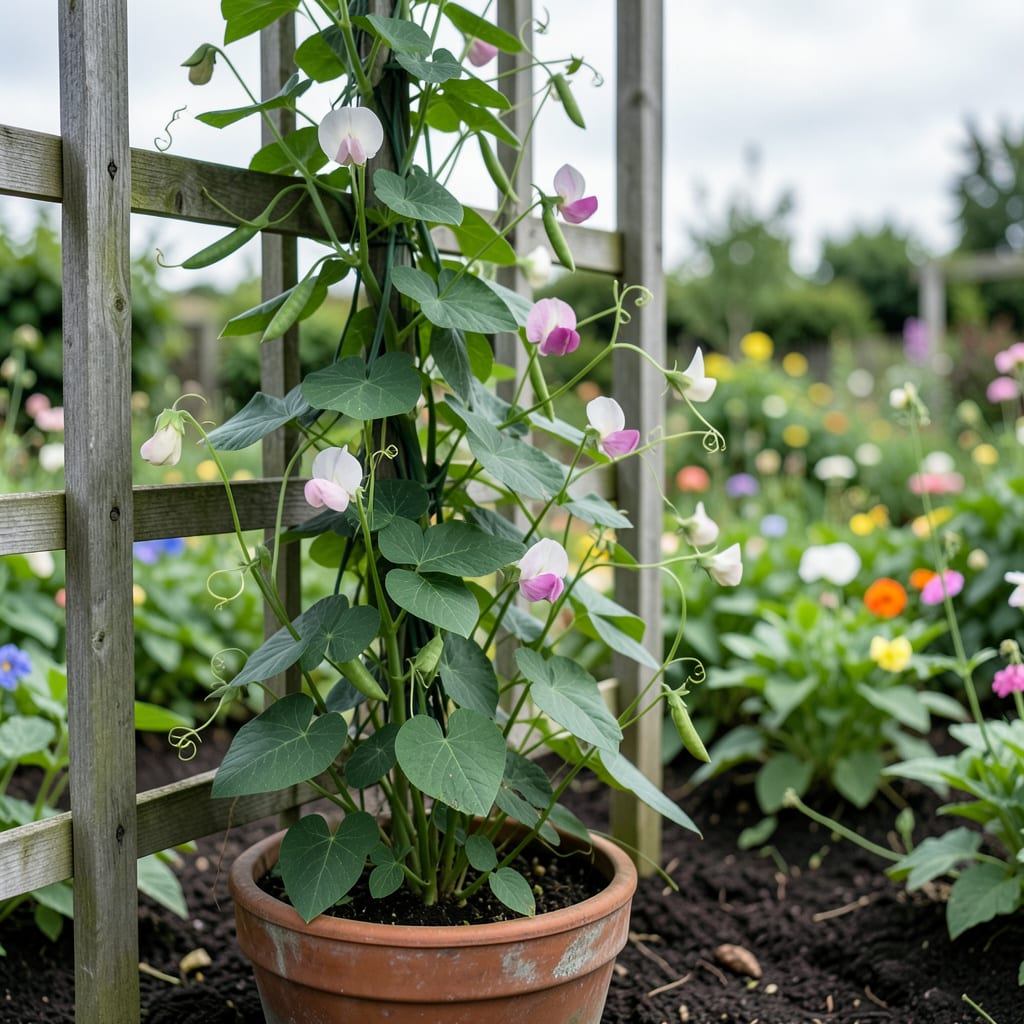
As a gardener, I’ve always been fascinated by Sweet Peas 🌿, known for their vibrant colors and intoxicating fragrance. Their climbing nature makes height a crucial consideration, especially in USDA Zone 6 where they thrive during spring.
Understanding how tall they’ll grow helps you plan your garden space effectively – let’s explore what factors influence their height and how to maximize their growth potential.

Understanding the factors that influence sweet pea height is crucial for gardeners who want to maximize their growth. Several key elements contribute to how tall these beautiful flowers will grow 🌿.
The variety of sweet pea is a primary factor in determining its height. Different cultivars have been bred for various characteristics, including height. Some compact varieties may only reach 2 feet, while others can climb up to 6 feet or more with proper support.
Soil quality plays a significant role in sweet pea growth. These plants thrive in rich, well-draining soil that’s been amended with organic matter. The ideal soil pH for sweet peas is between 6.0 and 7.0, which supports healthy root development and nutrient uptake.
Sunlight exposure is another critical factor. Sweet peas require full sun to reach their maximum height potential. They need at least 6 hours of direct sunlight daily, though more is better. In USDA Zone 6, they can tolerate the sunlight during their growing season from March to June.
The support structure provided for sweet peas is vital for their vertical growth. These climbing plants use their tendrils to latch onto supports, so providing a sturdy trellis or other climbing aid is essential. The height and stability of the support will directly impact how tall the sweet peas can grow 🌱.
Other factors that can influence sweet pea height include watering consistency, fertilization, and pruning practices. Consistent moisture, particularly during dry spells, supports vigorous growth. Regular feeding with a balanced fertilizer provides necessary nutrients for optimal development.
Pruning techniques, such as pinching out the growing tips, can encourage bushier growth and potentially greater height. By understanding and optimizing these factors, gardeners can create conditions that allow their sweet peas to reach their full height potential.
Sweet peas are typically planted in March or April in USDA Zone 6, about 2-4 weeks before the last frost. They have a medium water need and prefer consistent moisture throughout their growing season.
By providing the right conditions and care, gardeners can enjoy these beautiful flowers at their maximum height, typically between 2 to 6 feet tall, with some varieties reaching even greater heights.
Regular maintenance, such as deadheading and keeping the area around the plants weed-free, also contributes to healthy growth and maximum height.
In conclusion, the height of sweet peas is influenced by a combination of factors including variety, soil quality, sunlight, and support. By optimizing these elements, gardeners can help their sweet peas achieve their maximum growth potential.
To achieve maximum height with sweet peas, gardeners need to focus on creating optimal growing conditions and providing proper support. The right combination of care techniques can significantly impact how tall these beautiful flowers will grow 🌿.
First, it’s essential to understand that sweet peas are climbing plants that need sturdy support to reach their full height potential. Providing a tall trellis or other climbing structure is crucial for maximizing their vertical growth.
Sow seeds 1-2 inches deep and 2-3 inches apart to give them a strong start.
Keep the soil consistently moist, especially during dry periods, to support vigorous growth.
Feed with a balanced fertilizer every 4-6 weeks during the growing season.
Pruning techniques also play a significant role in maximizing sweet pea height. Pinching out the growing tips when the plants are young encourages branching and can lead to taller plants overall. Regular deadheading of spent flowers not only promotes more blooming but also directs the plant’s energy towards vertical growth.
The height of the support structure is critical. For maximum height, provide a trellis that is at least 6 feet tall. This gives the sweet peas ample opportunity to climb and reach their full potential. Training the vines to climb the support by gently twining them around it can also help maximize height.
In addition to physical support, maintaining optimal growing conditions is vital. Sweet peas thrive in full sun and well-draining, rich soil. Ensuring they receive at least 6 hours of direct sunlight daily and amending the soil with organic matter can significantly impact their growth.
By combining these expert tips – proper sowing, regular watering, balanced fertilization, appropriate pruning, and sturdy support – gardeners can create the ideal conditions for their sweet peas to achieve maximum height and enjoy a spectacular display of color and fragrance 🌼.
Regular maintenance throughout the growing season, from March to June in USDA Zone 6, will help ensure that sweet peas reach their full height potential and provide a beautiful display in the garden.
Growing sweet peas can be a rewarding experience, but certain mistakes can limit their height potential. Understanding these common errors helps gardeners create better growing conditions 🌿.
Many gardeners unintentionally limit their sweet pea’s growth through common mistakes. Proper care and attention to detail can help maximize height.
One of the most common mistakes is inadequate support. Sweet peas are vigorous climbers that need sturdy trellises to reach their full height. Providing supports that are too short or unstable can significantly limit their vertical growth 🌱.
Poor soil preparation is another critical error. Sweet peas thrive in rich, well-draining soil with plenty of organic matter. Failing to amend the soil properly before planting can result in stunted growth and reduced height.
Inconsistent watering practices can also negatively impact sweet pea height. These plants prefer consistent moisture, especially during dry spells. Allowing the soil to dry out completely can stress the plants and limit their growth potential.
Neglecting proper fertilization is another mistake that can restrict height. Sweet peas benefit from regular feeding with a balanced fertilizer during their growing season. Skipping this important step can result in weaker, less vigorous plants.
Poor pruning practices, or lack thereof, can also affect height. Failing to pinch out growing tips when plants are young can result in less branching and potentially shorter plants. Conversely, over-pruning can stress the plants and reduce their overall height.
By avoiding these common mistakes and providing optimal care, gardeners can help their sweet peas achieve their maximum height potential and enjoy a more spectacular display 🌼.
Regular monitoring and maintenance throughout the growing season, from March to June in USDA Zone 6, will help ensure that sweet peas reach their full height potential.
Creating the right growing conditions and avoiding common pitfalls are key to maximizing sweet pea height and enjoying these beautiful flowers at their best.
Sweet peas typically grow between 2 to 6 feet tall, depending on the variety and growing conditions. Some compact varieties may reach only 2 feet, while others can climb up to 6 feet or more with proper support. Providing a sturdy trellis is essential for maximizing their height .
To maximize sweet pea height, provide a tall trellis (at least 6 feet), maintain consistent moisture, and fertilize regularly with a balanced fertilizer every 4-6 weeks. Pinching out growing tips when plants are young encourages branching and can lead to taller plants. Regular deadheading also promotes vertical growth .
Common mistakes that limit sweet pea height include inadequate support, poor soil preparation, inconsistent watering, and neglecting proper fertilization. Providing a sturdy trellis, amending the soil with organic matter, maintaining consistent moisture, and regular feeding can help avoid these issues and promote maximum height .
In USDA Zone 6, plant sweet peas in March or April, about 2-4 weeks before the last frost. This timing allows them to establish strong roots before the growing season, supporting vigorous growth and maximum height potential. Ensure the soil is well-draining and amended with organic matter for best results .
