
Beautiful Plants For Your Interior
Beautiful Plants For Your Interior
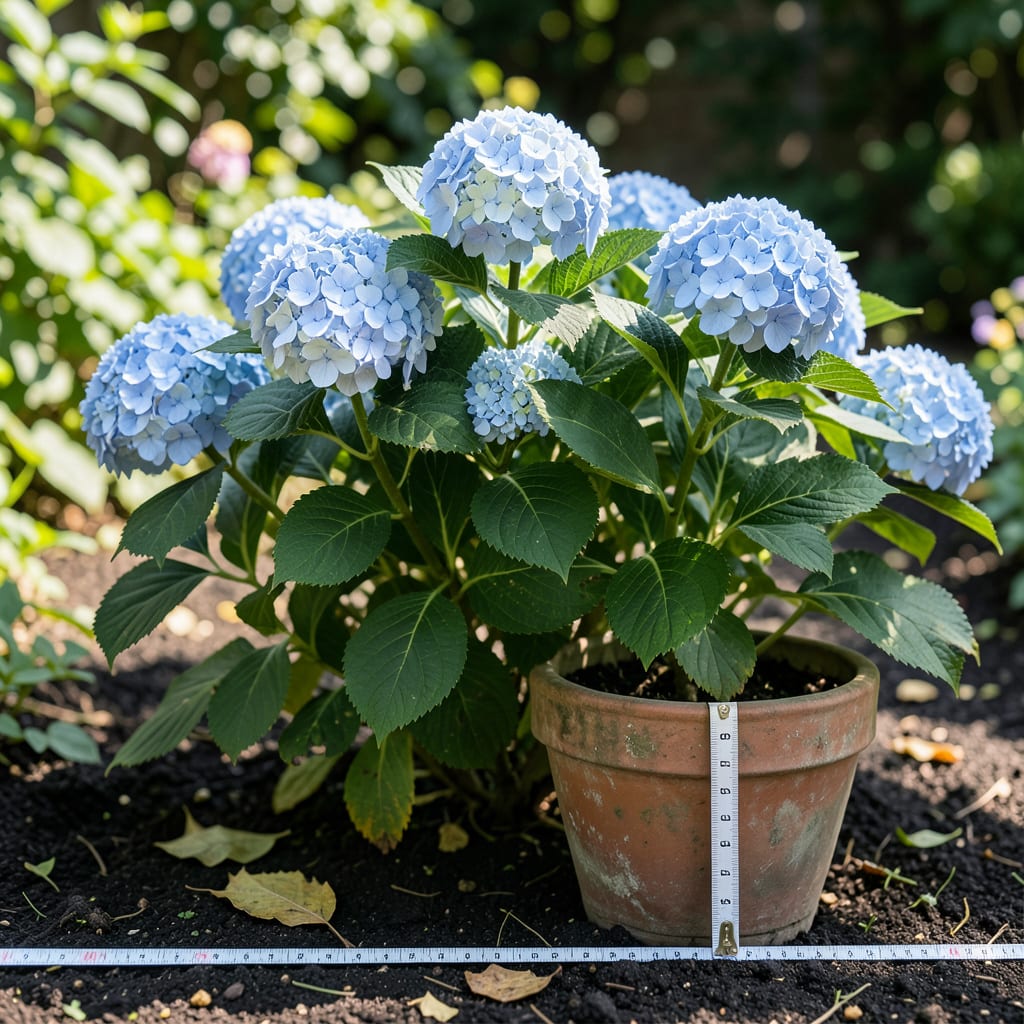
When I think about adding beauty to my garden, I immediately picture the stunning 💐 Hydrangea. But one question that often comes to mind is: how tall will they actually grow? Understanding their growth potential is key to planning the perfect garden layout.
Hydrangeas can grow anywhere from 3 to 8 feet tall, depending on the variety and growing conditions in your USDA Zone 6 garden. Let’s explore the factors that influence their height and how you can maximize their growth potential.

When it comes to understanding how tall hydrangeas will grow, several key factors come into play. The height of these beautiful plants is influenced by a combination of soil quality, sunlight exposure, watering practices, and pruning techniques. Let’s explore each of these elements to better understand their impact.
First, soil quality plays a significant role in hydrangea growth. These plants thrive in well-draining, rich soil that’s abundant with organic matter. Soil that’s too dense or lacking in nutrients can hinder growth, while soil that’s properly amended can support healthy development. 💐
Next, sunlight exposure is another critical factor. Hydrangeas generally prefer partial shade, especially in warmer climates, as full sun can cause stress and impact their growth. Providing the right amount of sunlight is essential for optimal height development.
Watering practices also significantly affect hydrangea height. These plants require consistent moisture, particularly during their growing season. Inconsistent watering can lead to stress, which may stunt their growth. Ensuring they receive adequate water without being overwatered is a delicate balance that supports their overall height.
Finally, pruning techniques can influence the height of hydrangeas. Pruning at the right time and in the right manner can encourage the plant to grow to its full potential. For example, pruning in late winter or early spring can help control the plant’s size and promote new growth.
By understanding and managing these factors, gardeners can create an environment that supports their hydrangeas in reaching their maximum height potential. Whether you’re looking to maintain a compact shrub or encourage a taller specimen, these elements are crucial to achieving your desired outcome.
It’s also worth noting that different hydrangea varieties have different growth habits. Some naturally grow taller than others, so selecting the right variety for your garden is an important consideration when planning for height.
Regular maintenance, including fertilization and mulching, can also support healthy growth. Fertilizing with a balanced fertilizer in the spring can provide necessary nutrients, while mulching around the base of the plant helps retain moisture and regulate soil temperature.
In summary, the height of hydrangeas is influenced by a variety of factors, including soil quality, sunlight exposure, watering practices, and pruning techniques. By carefully managing these elements, gardeners can help their hydrangeas achieve their full growth potential.
For those looking to maximize their hydrangea’s height, it’s essential to monitor and adjust these factors regularly. With the right care and attention, hydrangeas can become a stunning and vibrant part of any garden.
By following these guidelines and understanding the specific needs of your hydrangeas, you can enjoy these beautiful plants at their best, whether they’re compact shrubs or taller specimens.
To help hydrangeas reach their maximum height, it’s essential to provide them with the right growing conditions and care. One of the most critical factors is fertilization. Using a balanced fertilizer during the growing season can provide the necessary nutrients for healthy growth.
I recommend fertilizing your hydrangeas every 4-6 weeks with a 10-10-10 NPK fertilizer. This will help promote vigorous growth and support the development of strong stems. Additionally, mulching around the base of the plants can help retain moisture and regulate soil temperature.
Prune your hydrangeas in late winter or early spring to control their size and promote new growth.
Ensure your hydrangeas receive consistent moisture, especially during their growing season.
Give your hydrangeas 4-6 hours of indirect sunlight daily for optimal growth.
In addition to these tips, it’s crucial to monitor your hydrangeas’ response to their environment and adjust your care routine accordingly. By paying attention to their needs and making adjustments as necessary, you can help your hydrangeas reach their full growth potential.
For example, if you notice your hydrangeas are not growing as tall as expected, you may need to adjust their sunlight exposure or watering schedule. By making these adjustments, you can help your plants thrive and achieve the desired height.
By following these guidelines and providing your hydrangeas with the right care, you can enjoy these beautiful plants at their best. Whether you’re looking to maintain a compact shrub or encourage a taller specimen, the right techniques can make all the difference.
Regular maintenance is also key to maximizing hydrangea growth. This includes regular watering, fertilization, and pruning. By staying on top of these tasks, you can help your hydrangeas grow strong and healthy.
In summary, maximizing hydrangea growth requires a combination of proper care, attention to their needs, and the right growing conditions. By following these tips and techniques, you can help your hydrangeas reach their full potential and enjoy their beautiful blooms for years to come 🌼.
When it comes to hydrangeas, different varieties naturally grow to different heights. Understanding these variations is crucial for selecting the right type for your garden.
The main types of hydrangeas include Bigleaf, Panicle, and Smooth hydrangeas. Each type has its own growth characteristics that determine its potential height.
When choosing a hydrangea variety, consider the mature height to ensure it fits your garden’s space. Bigleaf hydrangeas are great for smaller spaces, while panicle hydrangeas can add height to borders.
Different cultivars within each type can also vary in height. For example, some compact Bigleaf varieties like ‘Tardiva’ stay smaller, while others can grow taller.
Understanding these height variations helps you make informed decisions when selecting hydrangeas for your garden. This ensures you create a balanced landscape that meets your aesthetic and spatial needs.
By choosing the right hydrangea type and cultivar, you can achieve the desired height and enjoy their beautiful blooms.
Regular maintenance, including pruning and fertilization, can also help control the height of your hydrangeas and promote healthy growth.
In summary, hydrangea height varies by type and cultivar. By understanding these differences, you can select the perfect variety for your garden and enjoy their stunning blooms for years to come 🌼.
Hydrangeas typically grow between 3 to 8 feet tall, depending on the variety and growing conditions. Some compact varieties remain smaller, while others can reach their maximum height with proper care. Proper pruning and fertilization can help achieve desired heights.
Different hydrangea varieties have distinct growth habits. Bigleaf and Smooth hydrangeas typically grow 3-6 feet tall, while Panicle hydrangeas can reach 6-8 feet. Choosing the right variety helps achieve desired garden heights. Understanding these differences is key to planning your garden layout.
Yes, pruning techniques significantly impact hydrangea height. Pruning in late winter or early spring helps control size and promotes new growth. Proper pruning encourages desired height while maintaining plant health. Regular pruning is essential for maximizing growth potential.
Fertilizing every 4-6 weeks during the growing season with a balanced fertilizer promotes healthy growth. This provides necessary nutrients for vigorous development and strong stems. Regular fertilization supports maximum height potential.
