
Beautiful Plants For Your Interior
Beautiful Plants For Your Interior
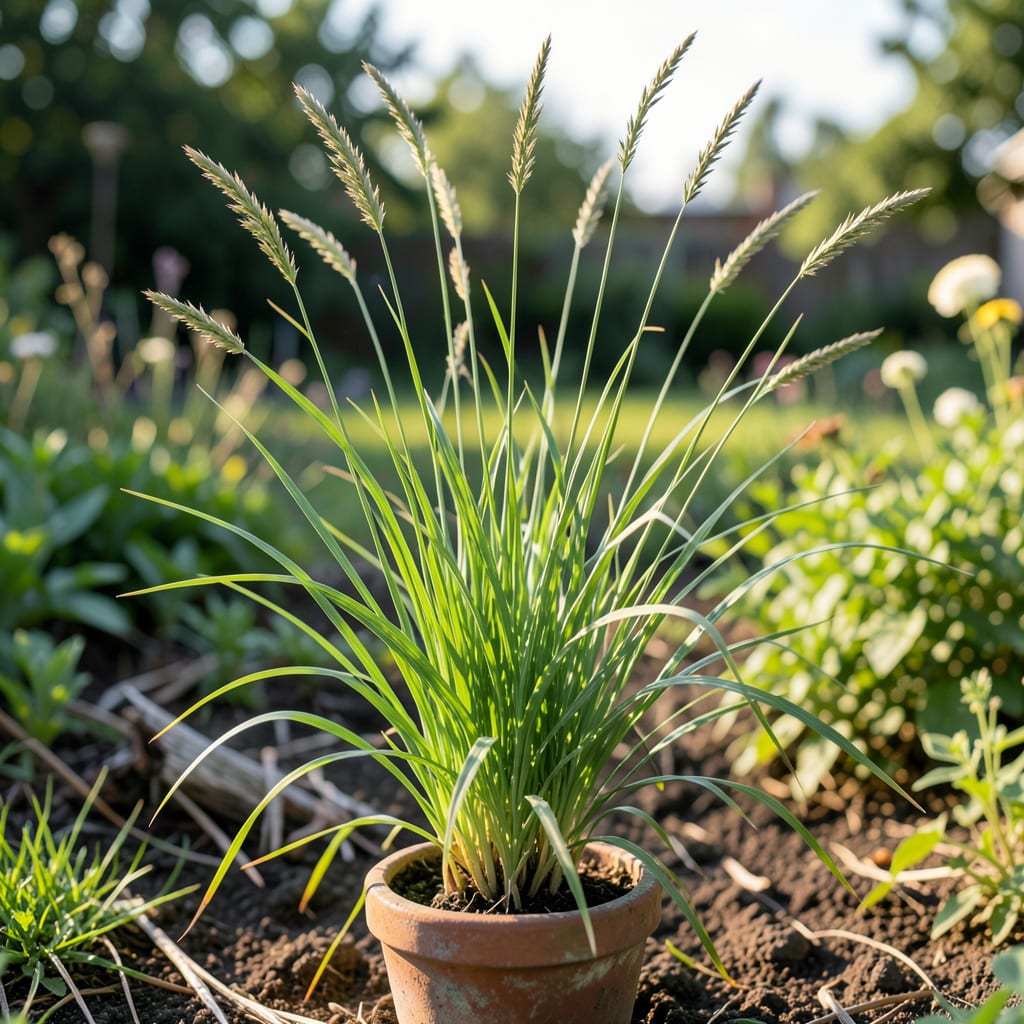
Letting your 🌾 grass grow wild can transform your lawn into a meadow, but how tall will it actually get if left uncut? The height depends on factors like grass type, climate, and soil quality.
In general areas like USDA zone 6a, some grass types can reach heights of 2-3 feet or more when left uncut. Understanding these factors will help you manage your lawn effectively and make informed decisions about your grass care routine.


The height that grass can grow when left uncut depends on several key factors. Understanding these factors is crucial for managing your lawn effectively and making informed decisions about your grass care routine 🌾.
Grass type, climate, and soil quality are among the primary factors that influence the maximum height of uncut grass. Different grass species have varying growth potentials, and environmental conditions can significantly impact their development.
The type of grass you’re growing plays a significant role in determining its maximum height. Cool-season grasses, such as bluegrass and fescue, tend to grow differently than warm-season grasses like Bermuda grass and zoysia grass. Each type has its unique growth characteristics.
Climate conditions also significantly affect how tall grass will grow when uncut. Areas with ample rainfall and moderate temperatures tend to support more vigorous growth, while drought or extreme temperatures can limit grass height.
The quality of the soil is another critical factor. Soil that is rich in nutrients and has good drainage will support healthier, potentially taller grass growth. Conversely, poor soil conditions can stunt growth and limit maximum height.
Other environmental factors such as sunlight exposure and the presence of weeds or pests can also influence the height of uncut grass. Understanding these factors can help you better manage your lawn.
By considering these factors, you can better predict and manage the height of your grass when left uncut. This knowledge is essential for maintaining a healthy and thriving lawn 🌿.
Different grass species have varying growth potentials, and environmental conditions can significantly impact their development. By understanding these factors, you can better manage your lawn effectively and make informed decisions about your grass care routine.
For example, some grass types can reach heights of 2-3 feet or more when left uncut in ideal conditions. Understanding these factors will help you manage your lawn effectively and make informed decisions about your grass care routine.
Letting your grass grow wild can transform your lawn into a meadow, but it’s essential to consider the factors that influence its growth. By doing so, you can create a lush and healthy lawn that meets your needs and preferences.
When left uncut, different grass types can grow to varying heights based on their species characteristics and environmental conditions. Understanding these differences is essential for managing your lawn effectively 🌾.
The maximum height of uncut grass is largely determined by whether it is a cool-season or warm-season grass. Cool-season grasses generally grow taller than warm-season grasses when left uncut.
Cool-season grasses, such as ryegrass and bluegrass, typically grow taller when left uncut, often reaching heights of 2-3 feet. These grasses thrive in cooler temperatures and can form dense stands that provide good ground cover.
Warm-season grasses, including Bermuda grass and zoysia grass, generally grow to a lesser height, typically between 1-2 feet when uncut. These grasses are more adapted to warmer climates and often have different maintenance requirements compared to cool-season varieties.
Native grasses can grow even taller, sometimes reaching heights of 3-6 feet or more when left uncut. These grasses are well-adapted to local conditions and can provide significant ecological benefits, including habitat for wildlife and soil stabilization 🌿.
The height that grass can achieve when uncut is also influenced by local climate conditions and soil quality. Areas with ample rainfall and fertile soil tend to support taller grass growth, while drier or nutrient-poor conditions may limit height.
Understanding the typical maximum heights for different grass types can help you make informed decisions about your lawn care. Whether you choose to maintain your grass regularly or allow it to grow more naturally, knowing what to expect can help you achieve your desired lawn characteristics 🌻.
By considering the specific characteristics of your grass and the conditions of your lawn, you can better manage its growth and appearance. This knowledge can also help you appreciate the ecological benefits that taller grass can provide.
In summary, the maximum height of uncut grass varies significantly based on the type of grass and environmental factors. By understanding these differences, you can make more informed decisions about how to manage your lawn effectively.
Letting your grass grow wild can have both positive and negative effects on your lawn and the surrounding environment. Understanding these factors is crucial for making informed decisions about your lawn care routine 🌾.
One of the primary benefits of allowing grass to grow tall is the potential for increased biodiversity. Taller grass can provide habitat for wildlife, such as insects, birds, and small mammals, contributing to a more diverse ecosystem 🌿.
However, there are also challenges associated with uncut grass. One concern is the potential for invasive species to take over, outcompeting native vegetation and potentially causing ecological imbalances.
Another challenge is the increased risk of pests, as taller grass can provide a habitat for rodents and other pests that might be considered nuisances.
Aesthetic concerns are also a factor, as some homeowners may view tall, uncut grass as untidy or unkempt.
Finally, there are maintenance challenges to consider. While mowing frequency may be reduced, other maintenance tasks such as controlling weeds and managing pests may become more complicated.
By weighing these benefits and challenges, you can make a more informed decision about whether to let your grass grow wild or maintain it more regularly.
Ultimately, the decision to let your grass grow tall should be based on your specific circumstances, including your lawn’s ecological context and your personal preferences regarding lawn appearance and maintenance 🌻.
Cool-season grasses, such as ryegrass and bluegrass, can grow to 2-3 feet tall when left uncut. This height is influenced by factors like climate and soil quality. Proper care can help achieve optimal growth.
Climate significantly impacts grass height. Areas with ample rainfall and moderate temperatures support more vigorous growth, while drought or extreme temperatures can limit height. Understanding local climate conditions helps in managing expectations.
Yes, taller grass can help with soil stabilization. The deeper roots of tall grass help hold the soil in place, reducing erosion. This is particularly beneficial in areas prone to heavy rainfall or wind.
Yes, uncut grass can present maintenance challenges, including controlling weeds and managing pests. While mowing frequency may decrease, other maintenance tasks may become more complicated. Regular monitoring is essential.
