
Beautiful Plants For Your Interior
Beautiful Plants For Your Interior
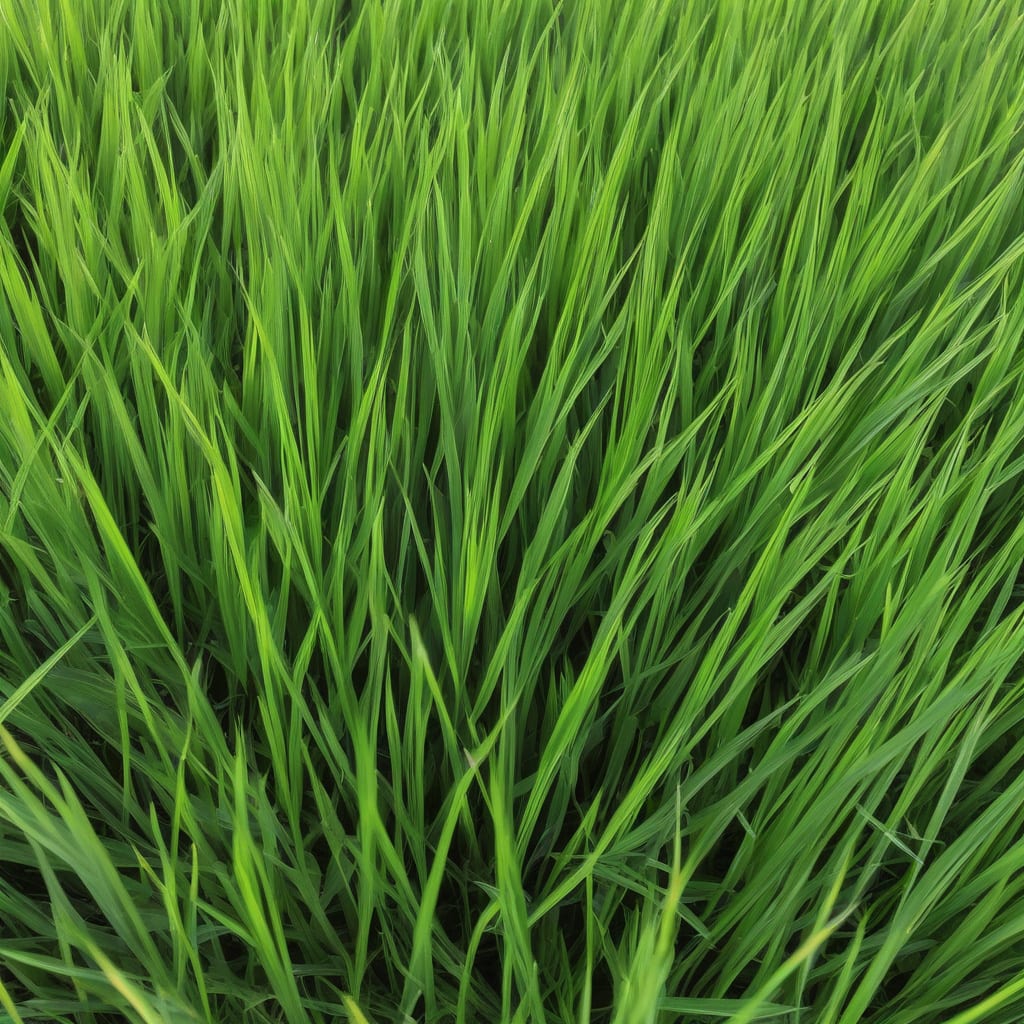
When growing Bermuda Grass 🌿, one of the most common questions is about its potential height. Understanding how tall it can grow is crucial for maintaining a healthy and attractive lawn, especially in USDA Zone 6 where it thrives during the summer months.
The height of Bermuda Grass can vary significantly based on factors like climate, soil quality, and maintenance practices. Generally, it can grow between 0.5 to 2 feet tall, making regular mowing essential to keep it under control and promote a lush, dense appearance.


Bermuda grass height can vary significantly based on several factors. Understanding these factors is crucial for maintaining a healthy and attractive lawn. The primary factors that influence Bermuda grass height include climate, soil quality, and maintenance practices 🌿.
The climate plays a significant role in determining the height of Bermuda grass. In warmer climates with adequate sunlight, Bermuda grass tends to grow taller and thicker. Conversely, in cooler climates, its growth is more limited. Soil quality is another critical factor; well-draining soil with the right pH balance can promote healthy growth 🌟.
Maintenance practices, such as mowing frequency and fertilization, also play a crucial role in determining the height of Bermuda grass. Regular mowing helps keep the grass at a desired height, while fertilization promotes dense growth 🌱.
In addition to these factors, the specific variety of Bermuda grass can also impact its potential height. Some varieties are bred to the characteristics that allow them to grow more densely or to a certain height 🌱.
Understanding these factors can help you better manage your Bermuda grass lawn and achieve the desired height and density. By adjusting your maintenance practices according to the climate and soil conditions, you can promote a healthy and attractive lawn 🌿.
For instance, in regions with high temperatures and ample rainfall, Bermuda grass can grow quite tall if not regularly maintained. Conversely, in areas with limited rainfall, the grass may remain shorter due to water stress 💧.
The soil’s pH level also affects the height of Bermuda grass. A pH range between 6.0 and 7.0 is considered optimal for Bermuda grass, as it allows for the best nutrient uptake and growth 🌟.
By considering these factors and adjusting your lawn care practices accordingly, you can maintain your Bermuda grass at an optimal height that is both aesthetically pleasing and healthy 🌱.
In summary, the height of Bermuda grass is influenced by a combination of climate, soil quality, and maintenance practices. Understanding and managing these factors can help you achieve a lush, dense lawn that meets your needs 🌿.
Regular monitoring and adjustment of your lawn care routine are essential to maintaining the optimal height and health of your Bermuda grass. This includes regular mowing, appropriate fertilization, and ensuring proper watering practices 💧.
By following these guidelines and considering the specific conditions of your lawn, you can enjoy a vibrant and healthy Bermuda grass lawn throughout the growing season 🌞.
Bermuda grass is known for its rapid growth and ability to thrive in warm climates. Understanding its maximum height potential is essential for maintaining a healthy and attractive lawn 🌿.
The typical height range of Bermuda grass varies between 0.5 to 2 feet, depending on factors such as climate, soil quality, and maintenance practices. In ideal conditions, with adequate sunlight and proper watering, Bermuda grass can grow quite tall 🌱.
Bermuda grass typically grows between 0.5 to 2 feet tall, with the ideal height for most lawns being around 1 to 1.5 feet.
The maximum height of Bermuda grass is influenced by factors such as climate, soil quality, and maintenance practices.
Regular mowing and fertilization can help maintain the optimal height and promote a healthy, dense lawn 🌱.
To achieve the maximum height potential of Bermuda grass, it’s essential to provide it with optimal growing conditions. This includes ensuring adequate sunlight, proper watering, and regular maintenance 🌟.
In addition to these factors, the specific variety of Bermuda grass can also impact its maximum height potential. Some varieties are bred to grow more densely or to a certain height, so it’s essential to choose the right variety for your lawn 🌱.
By understanding the maximum height potential of Bermuda grass and providing it with optimal growing conditions, you can maintain a healthy and attractive lawn that meets your needs 🌿.
Regular monitoring and adjustment of your lawn care routine are crucial to maintaining the optimal height and health of your Bermuda grass. This includes regular mowing, appropriate fertilization, and ensuring proper watering practices 💧.
Maintaining the optimal height of Bermuda grass is crucial for a healthy and attractive lawn. Regular mowing is essential to keep the grass at a desired height and promote dense growth 🌱.
For optimal Bermuda grass height, maintain your mower at 1-1.5 inches during the growing season. This promotes dense growth and prevents weed invasion 🌿.
The mowing frequency depends on the growth rate of your Bermuda grass, which is influenced by factors like climate, soil quality, and fertilization. During peak growing seasons, you may need to mow your lawn once a week 🌟.
Fertilization also plays a significant role in maintaining the optimal height of Bermuda grass. Using a balanced fertilizer during the growing season can promote healthy growth and density 🌱.
In addition to mowing and fertilization, proper watering practices are essential for maintaining the health and optimal height of Bermuda grass. Ensure your lawn receives adequate moisture, especially during hot and dry periods 💧.
By following these tips and maintaining a consistent lawn care routine, you can enjoy a vibrant and healthy Bermuda grass lawn throughout the growing season 🌞.
