
Beautiful Plants For Your Interior
Beautiful Plants For Your Interior
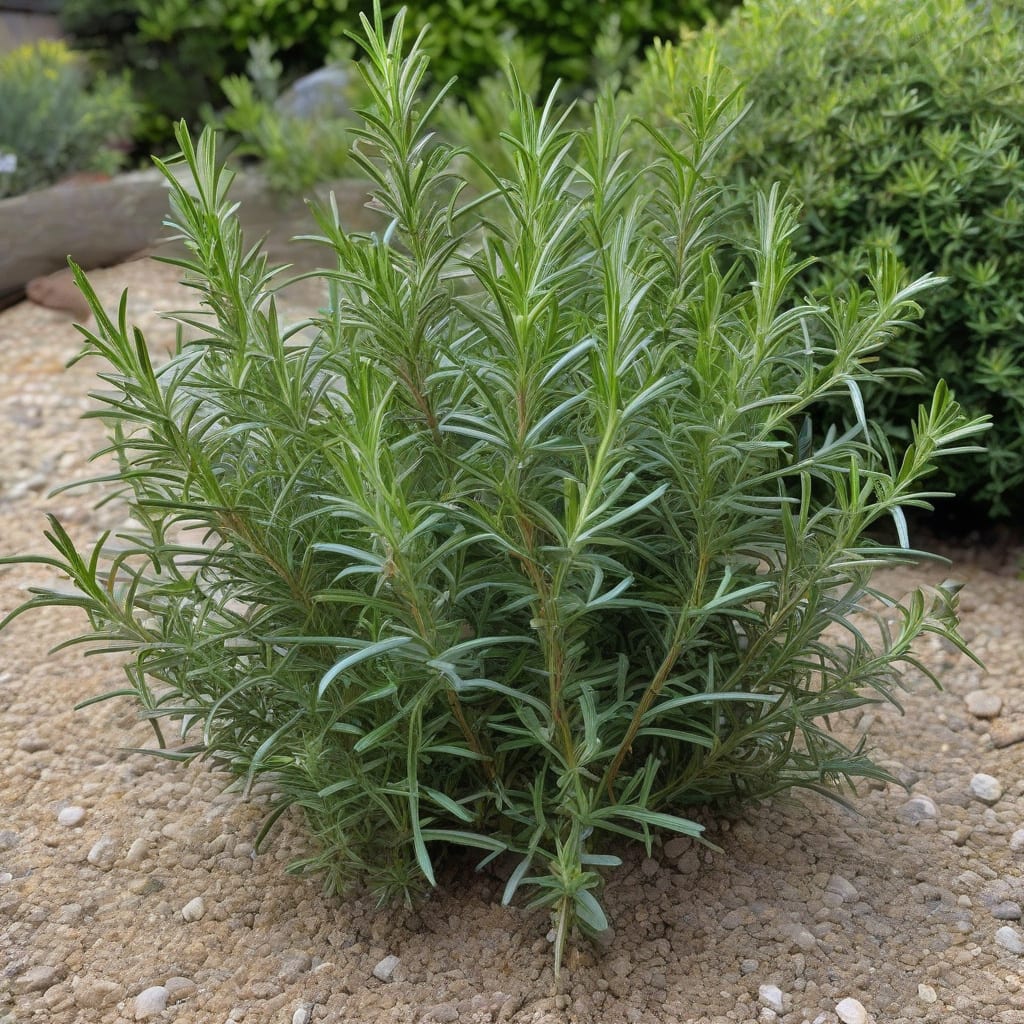
I’ve always been fascinated by Rosemary 🌿, a versatile herb that adds flavor to dishes and fragrance to gardens. Its growth potential is impressive, but understanding what affects its height is crucial for optimal cultivation.
Whether you’re growing Rosemary in USDA Zone 6 or another region, factors like soil quality, sunlight, and pruning practices play a significant role in determining its maximum height – typically between 2-6 feet. Let’s explore how to maximize your Rosemary’s growth.

I’ve found that Rosemary’s growth patterns are influenced by several key factors, including variety, climate, soil conditions, and pruning practices. Understanding these elements is crucial for gardeners who want to maximize their Rosemary’s height 🌿.
The height of Rosemary plants can vary significantly based on the specific variety. Some compact varieties may only reach 2-3 feet, while standard varieties can grow up to 4-6 feet tall. Climate and soil conditions also play a significant role in determining the plant’s overall height.
To achieve maximum height, Rosemary requires specific growing conditions. It prefers full sun and well-draining soil, making it ideal for Mediterranean climates. In cooler regions, Rosemary may need protection during winter months to prevent damage 🌟.
Rosemary’s growth rate is generally slow to moderate, with most plants taking several years to reach their full height. With proper care, including regular watering and fertilization during the growing season, Rosemary can become a robust and fragrant addition to any garden 🌱.
The ideal conditions for Rosemary growth include temperatures between 65-75°F (18-24°C) and low humidity. In areas with poor drainage, consider growing Rosemary in containers to improve soil conditions and prevent root rot 🚿.
Pruning is a critical aspect of Rosemary care. Regular pruning not only helps maintain the plant’s shape but also encourages new growth. Prune Rosemary in the spring or early summer to promote bushy growth and prevent the plant from becoming leggy ✂️.
In summary, understanding the factors that influence Rosemary’s growth is key to maximizing its height. By providing the right conditions and proper care, gardeners can enjoy a healthy and fragrant Rosemary plant for years to come 🌿.
For gardeners looking to maximize their Rosemary’s height, it’s essential to be patient and provide consistent care. With time and attention, Rosemary can become a beautiful and productive herb in any garden 🌸.
To maximize Rosemary height, it’s essential to provide the right growing conditions. This includes ensuring the plant receives adequate sunlight, typically 6+ hours of direct sunlight per day 🌞.
Watering strategies also play a crucial role. Rosemary prefers well-draining soil and can be susceptible to root rot if the soil is too wet. Watering every 7-10 days is usually sufficient, but this may vary depending on climate conditions 💧.
Place Rosemary in a location that receives full sun to promote healthy growth and maximize height.
Water every 7-10 days and ensure the soil drains well to prevent root rot.
Use a balanced fertilizer during the growing season to promote healthy growth.
In addition to these tips, pruning practices can significantly impact Rosemary height. Regular pruning helps maintain the plant’s shape and encourages bushier, taller growth. Prune Rosemary in the spring or early summer to achieve the best results ✂️.
By following these guidelines, gardeners can help their Rosemary plants reach their full potential height. Remember, patience and consistent care are key to growing a healthy and fragrant Rosemary plant 🌿.
For gardeners in cooler climates, consider protecting Rosemary from frost to prevent damage. This can be achieved by bringing container-grown plants indoors or using frost protection measures ❄️.
Overall, maximizing Rosemary height requires a combination of proper care, patience, and attention to the plant’s specific needs. With the right conditions and care, Rosemary can become a beautiful and productive herb in any garden 🌸.
I’ve seen many gardeners struggle with Rosemary growth due to common mistakes that can be easily avoided. One of the most significant errors is overwatering, which can lead to root rot and stunted growth 💧.
Another critical mistake is poor drainage, which can cause waterlogged soil and root damage. To avoid this, ensure your Rosemary is planted in well-draining soil or use containers with good drainage holes 🌿.
Avoid overwatering and poor drainage to prevent root rot and promote healthy Rosemary growth.
Insufficient sunlight is another common issue that can limit Rosemary growth. Ensure your plants receive at least 6 hours of direct sunlight per day to promote healthy growth and maximize height 🌞.
To correct these mistakes, adjust your watering schedule to once every 7-10 days, and ensure your soil drains well. If necessary, relocate your Rosemary to a sunnier spot or supplement with grow lights 💡.
By avoiding these common mistakes and providing the right conditions, you can help your Rosemary plants thrive and reach their full potential height 🌸.
For gardeners in cooler climates, it’s also essential to protect Rosemary from frost to prevent damage. Bring container-grown plants indoors or use frost protection measures during winter months ❄️.
By following these guidelines and being mindful of common mistakes, you can enjoy a healthy and fragrant Rosemary plant for years to come 🌿.
