
Beautiful Plants For Your Interior
Beautiful Plants For Your Interior
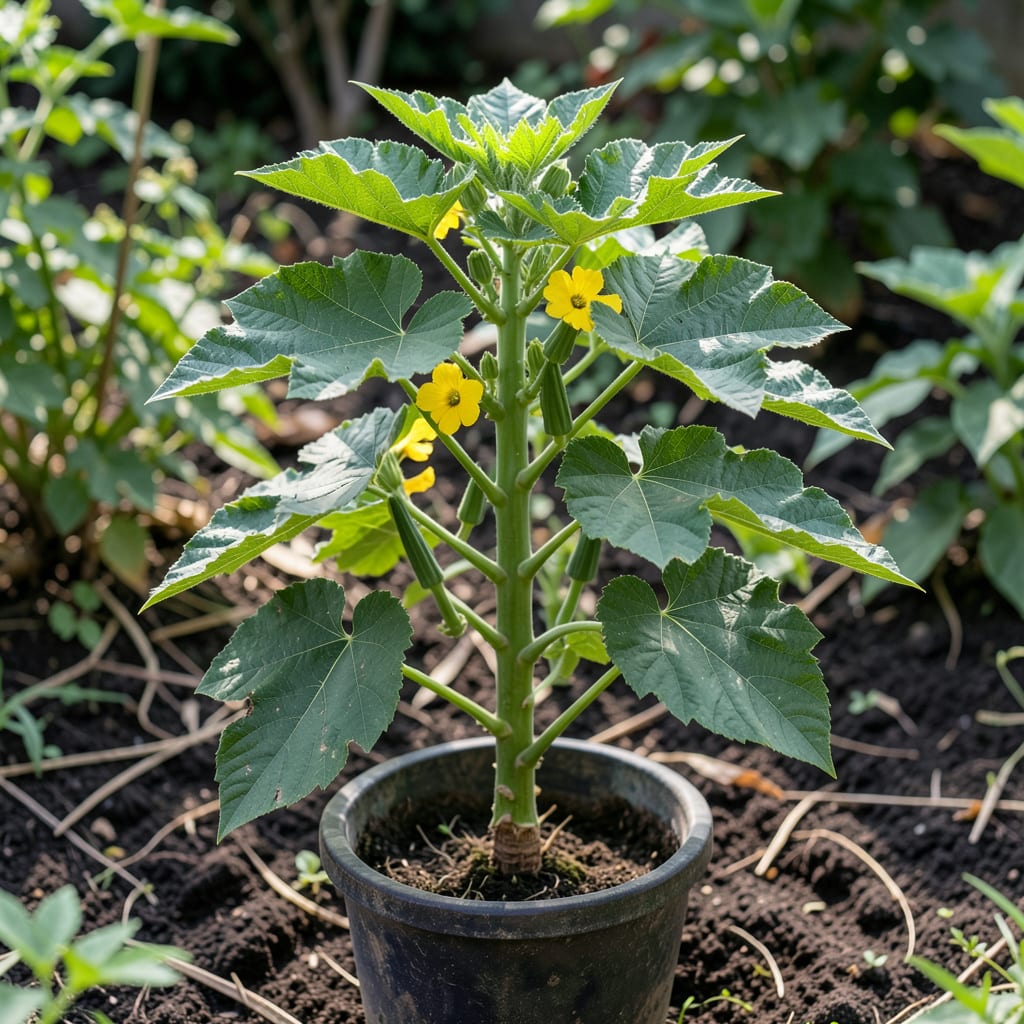
I’ve always been fascinated by how tall okra plants 🌿 can grow. In ideal conditions, they can reach impressive heights of 3 to 6 feet, making them a striking addition to any garden.
To achieve maximum growth, it’s essential to understand the factors that affect their height, such as soil quality and climate. Let’s explore the key elements that influence okra plant growth and how to support them for optimal results.


I’ve found that okra plants can grow to impressive heights when given the right conditions. The height of okra plants is influenced by several key factors, including soil quality, sunlight, watering, and variety selection. Understanding these elements is crucial for maximizing their growth.
The quality of the soil plays a significant role in determining how tall okra plants will grow. Okra plants thrive in well-draining, fertile soil that is rich in organic matter. Soil that is too dense or lacking in nutrients can limit the plant’s growth potential 🌱.
Sunlight is another critical factor in okra plant growth. These plants require full sun to reach their maximum height potential. In my experience, okra plants grown in partial shade tend to become leggy and produce fewer pods 🌻.
Watering practices also significantly impact okra plant height. Consistent moisture, particularly during the flowering stage, is essential for optimal growth. Okra plants need about 1 inch of water per week, either from rainfall or irrigation 💧.
The variety of okra selected can also affect its height. Some okra varieties are naturally taller than others, with certain cultivars reaching heights of up to 6 feet. Choosing the right variety for your garden can help achieve the desired height 🌿.
In addition to these factors, spacing between plants can influence their growth. Okra plants should be spaced 12 to 18 inches apart to allow for adequate air circulation and sunlight penetration.
Fertilization is another important aspect to consider. Feeding okra plants with a balanced fertilizer every 4-6 weeks can promote healthy growth and maximize their height.
It’s also worth noting that okra plants are generally low-maintenance and can thrive in a variety of conditions. However, they do benefit from regular monitoring to ensure they are receiving the right amount of water and nutrients.
By understanding and addressing these factors, gardeners can create an optimal environment for their okra plants to grow tall and healthy. This includes providing the right soil conditions, adequate sunlight, proper watering, and selecting the appropriate variety 🌼.
Okra plants that receive proper care can become a stunning addition to any garden, providing both beauty and a bountiful harvest. With the right conditions and care, okra plants can reach their full height potential and thrive throughout the growing season.
Overall, growing okra plants requires attention to detail and a commitment to providing the right conditions for optimal growth. By following these guidelines, gardeners can enjoy a successful harvest of delicious okra pods 🌿.
To help okra plants reach their full height potential, I’ve found that proper spacing is crucial. Okra plants should be spaced 12 to 18 inches apart to allow for adequate air circulation and sunlight penetration. This spacing also helps prevent overcrowding, which can lead to reduced growth and increased disease susceptibility 🌼.
In addition to proper spacing, fertilization plays a significant role in maximizing okra plant height. Feeding okra plants with a balanced fertilizer every 4-6 weeks can promote healthy growth and maximize their height. I recommend using a fertilizer with an NPK ratio of 10-10-10 to provide essential nutrients 🌿.
Okra plants can become top-heavy with pods. Use stakes or trellises to support tall varieties and prevent lodging.
Remove lower leaves to improve air circulation and reduce disease risk. This helps maintain plant health and promotes upward growth.
Ensure consistent moisture, especially during flowering and pod development. Okra plants need about 1 inch of water per week.
By implementing these expert tips, gardeners can create an optimal environment for their okra plants to grow tall and healthy. Proper spacing, fertilization, support, pruning, and watering practices all contribute to maximizing okra plant height 🌻.
It’s also important to note that different okra varieties have different growth habits. Some are naturally taller than others, so choosing the right variety for your garden is essential. Look for varieties known for their height, such as ‘Clemson Spineless‘ or ‘Jade’ 🌿.
Regular monitoring of okra plants is crucial to ensure they are receiving the right conditions for optimal growth. Keep an eye out for signs of nutrient deficiency, pests, or diseases, and take action promptly to address any issues that arise 🔍.
With the right care and attention, okra plants can become a stunning addition to any garden, providing both beauty and a bountiful harvest. By following these expert tips, gardeners can enjoy a successful harvest of delicious okra pods 🌼.
I’ve found that understanding common mistakes in okra cultivation is crucial for maximizing plant height. By avoiding these errors, gardeners can create an optimal environment for their okra plants to thrive 🌼.
One of the most significant mistakes gardeners make is overcrowding their okra plants. Okra needs adequate space to grow tall and healthy. Planting them too close together can lead to reduced growth and increased disease susceptibility 🌿.
Overcrowding, poor soil preparation, and inadequate support can significantly limit okra plant growth. Ensure proper spacing, enrich your soil, and provide necessary support for optimal results.
Poor soil preparation is another common mistake. Okra plants thrive in well-draining, fertile soil rich in organic matter. Failing to prepare the soil properly can limit the plant’s growth potential 🌱.
Inadequate support can also hinder okra plant growth. Taller varieties may require staking or trellising to prevent them from becoming top-heavy and lodging 🌻.
Watering mistakes can significantly impact okra plant height. Inconsistent moisture, particularly during flowering and pod development, can stress the plants and reduce their growth 💧.
By being aware of these common mistakes and taking steps to avoid them, gardeners can create a more favorable environment for their okra plants to grow tall and healthy 🌼.
Regular monitoring of okra plants is essential to catch any potential issues early. Keep an eye out for signs of nutrient deficiency, pests, or diseases, and take action promptly to address any problems that arise 🔍.
With careful planning and attention to detail, gardeners can enjoy a bountiful harvest of delicious okra pods while maintaining a healthy and thriving garden ecosystem 🌿.
Okra plants can grow to impressive heights, typically ranging from 3 to 6 feet tall, depending on the variety and growing conditions. Some taller varieties can even reach heights of up to 6 feet. Proper care and support can help maximize their growth potential .
Several key factors influence okra plant height, including soil quality, sunlight, watering, and variety selection. Okra plants thrive in well-draining, fertile soil with full sun and consistent moisture. Choosing the right variety for your garden is also crucial .
Taller okra varieties may require staking or trellising to prevent them from becoming top-heavy and lodging. Using stakes or trellises can provide the necessary support and keep the plants upright, promoting healthy growth and maximizing their height .
Yes, okra plants can be grown in containers, but they may require more frequent watering and fertilization. Choose a container that is at least 12 inches deep and use a well-draining potting mix to support healthy growth. Dwarf or semi-dwarf varieties are often better suited for container gardening .
