
Beautiful Plants For Your Interior
Beautiful Plants For Your Interior
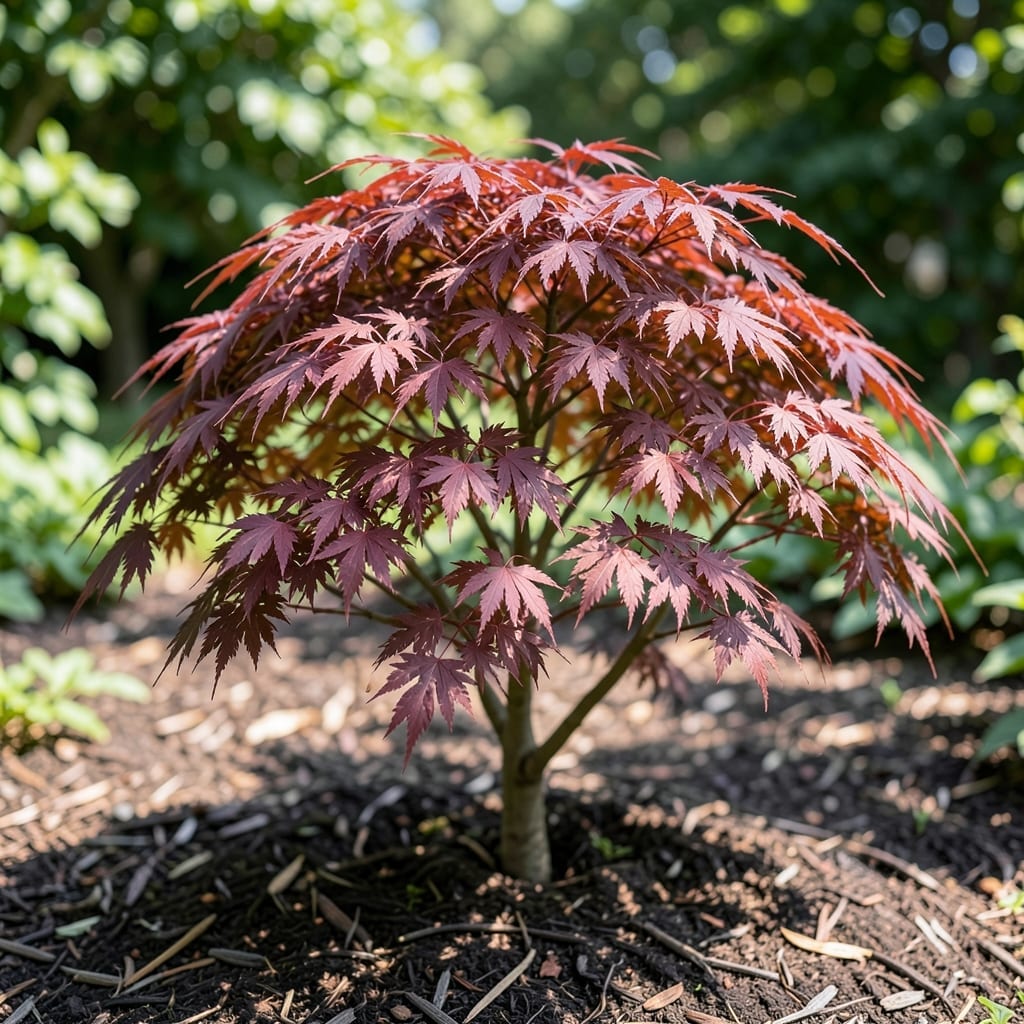
Picture your garden with a stunning Japanese Maple 🌳 as its centerpiece. But before you plant, you need to know how much space it will claim in your landscape.
These elegant trees aren’t one-size-fits-all. Some stay small enough for containers, while others can tower over your home. The difference often comes down to the variety you choose.
I’ve seen gardeners surprised when their “dwarf” maple outgrew its spot. That’s why understanding the height range is the key to smart planning. Let me help you avoid that mistake.
Discover how tall your Japanese Maple could grow and what factors might change that. It’s simpler than you think to get this right from the start.

As a gardener, I know that Japanese maples come in a stunning range of sizes. From tiny dwarf varieties to towering specimens, the height can vary from 1-3 feet to 25 feet at maturity.
Choosing the right variety for your space means understanding these height ranges. Compact types like ‘Little Princess’ stay under 3 feet, while larger cultivars like ‘Bloodgood’ can reach 15-20 feet. 🌳
| Variety | Mature Height | Growth Habit |
|---|---|---|
| ‘Little Princess’ | 1-3 ft | Dwarf, mounding |
| ‘Crimson Queen’ | 8-10 ft | Weeping, cascading |
| ‘Bloodgood’ | 15-20 ft | Upright, rounded |
| ‘Emperor I’ | 15-25 ft | Upright, vigorous |
| ‘Trompenburg’ | 10-15 ft | Semi-dwarf, upright |
I always recommend ‘Crimson Queen’ for gardeners wanting a medium-sized weeping maple. Its 8-10 foot height makes it perfect for small gardens or as a focal point. 🌿
For those with limited space, dwarf varieties like ‘Little Princess’ or ‘Shishigashira’ stay under 3-5 feet. These are ideal for containers or small urban gardens.
On the larger end, ‘Emperor I’ can reach 25 feet tall. This variety needs plenty of vertical space and is best for larger landscapes or as a specimen tree.
I’ve found that semi-dwarf varieties like ‘Trompenburg’ offer a great middle ground. At 10-15 feet, they provide impressive height without overwhelming a medium-sized yard.
Remember that these are mature heights. It may take 10-15 years for your Japanese maple to reach its full potential. Growth rates vary by variety and growing conditions.
In my experience, upright varieties like ‘Bloodgood’ tend to grow taller faster than weeping types. The latter often have a more spread-out growth habit.
For the best results, I suggest matching the variety to your space. A 25-foot tree won’t thrive in a small courtyard, just as a 3-foot dwarf might get lost in a large landscape. ✂️
I’ve found that Japanese maple height isn’t just about genetics—it’s deeply tied to environmental conditions and care practices. Even the same cultivar can vary by 3-5 feet based on where and how it’s grown.
In my garden, I’ve seen soil quality make a huge difference. Rich, well-draining soil with a slightly acidic pH encourages robust growth, while poor soil can stunt even the hardiest varieties.
Key Factors Affecting Height:
I always stress the importance of sunlight balance. Too much direct sun can scorch leaves, while too little can lead to leggy growth and reduced height potential.
Watering is another critical factor. I recommend a deep soak weekly, especially during dry spells. Inconsistent watering can cause growth spurts followed by stress periods.
Pruning plays a big role too. I remove dead wood in late winter and shape the tree in early summer. This not only controls height but also encourages denser foliage.
Finally, remember that climate zone affects growth rate. In cooler zones, Japanese maples grow slower, while in warmer areas, they may reach their mature height faster.
With proper care, your maple can thrive within its expected height range for years to come.