
Beautiful Plants For Your Interior
Beautiful Plants For Your Interior
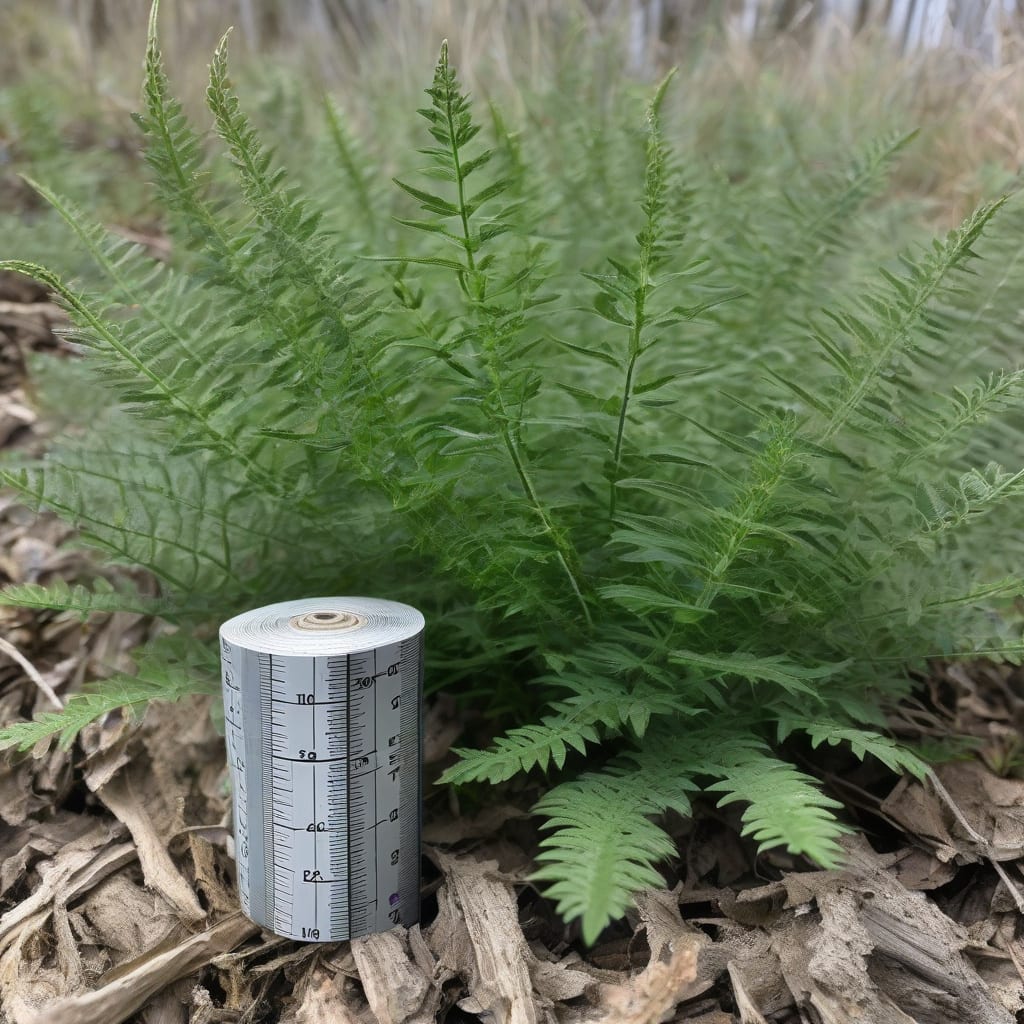
I’ve always been fascinated by Wormwood 🌿, with its silvery foliage and historical significance. Understanding how tall it can grow is crucial for effective garden planning, especially in USDA Zone 6 where it thrives.
Wormwood typically reaches heights of 3 to 6 feet, making it a substantial presence in any garden. Let’s explore the factors that influence its growth and how to manage its size effectively.


Wormwood’s height is influenced by various factors including soil quality, climate conditions, and care practices. Understanding these elements is crucial for gardeners who want to optimize their wormwood’s growth 🌿.
The soil quality plays a significant role in determining wormwood’s height. Well-draining soil with a pH between 6.0 and 7.0 is ideal for wormwood. Poor soil conditions can limit the plant’s growth, while rich, fertile soil can promote healthier and taller plants.
Climate conditions also significantly impact wormwood’s height. The plant prefers full sun and thrives in temperate climates.Zone 6 is particularly suitable. Avoid exposing wormwood to extreme temperatures or conditions 🌡️.
Watering practices are also crucial. Wormwood prefers well-draining soil and consistent moisture, especially during its growing season. However, overwatering can be detrimental, leading to root rot and potentially stunting the plant’s growth 💧.
Fertilization during the growing season can promote healthier and potentially taller wormwood. A balanced fertilizer applied every 4-6 weeks can support the plant’s nutritional needs without causing excessive growth that might weaken the plant 🌼.
By understanding and managing these factors, gardeners can create optimal conditions for their wormwood, potentially maximizing its height and overall health 🌱.
Wormwood’s growth is a delicate balance of various environmental and care-related factors. By optimizing these elements, gardeners can encourage their wormwood to reach its full potential height 🌿.
For optimal height, ensure wormwood receives full sun and consistent watering during its growing season. Avoid overwatering to prevent root rot 🌿.
The height of wormwood can vary significantly based on the specific growing conditions and care it receives. By focusing on the right soil, climate, and watering practices, gardeners can help their wormwood achieve its maximum potential height 🌼.
In summary, wormwood’s height is influenced by a combination of soil quality, climate conditions, and care practices. Understanding and managing these factors is key to optimizing the plant’s growth and achieving the desired height 🌿.
Wormwood typically grows between 3 to 6 feet tall, making it a substantial presence in any garden. The exact height can vary depending on the specific variety and growing conditions 🌿.
Different species and cultivars of wormwood can have varying height ranges. Understanding these differences is key to planning your garden effectively.
Most wormwood varieties grow between 3 to 6 feet tall, with some reaching up to 8 feet in ideal conditions.
Soil quality, climate conditions, and care practices all play a role in determining wormwood’s maximum height 🌟.
Regular pruning can help control wormwood’s height and promote a bushier growth habit 🌿.
The maximum height of wormwood is influenced by several factors, including the specific variety, growing conditions, and care practices. By understanding these elements, gardeners can better predict and manage the height of their wormwood plants 🌱.
In ideal conditions, with full sun and well-draining soil, wormwood can reach its full height potential. Regular maintenance, including pruning, can also help control the plant’s size 🌼.
Wormwood’s height can vary significantly based on the specific growing conditions and care it receives. By focusing on the right soil, climate, and watering practices, gardeners can help their wormwood achieve its maximum potential height 🌿.
Understanding the typical height range for wormwood is essential for effective garden planning. By considering the specific variety and growing conditions, gardeners can make informed decisions about where to plant their wormwood 🌟.
I always emphasize the importance of proper pruning and maintenance when it comes to managing wormwood’s height. Regular pruning not only controls the plant’s size but also promotes healthier growth 🌱.
Prune wormwood in early spring to control its height and shape. Remove any dead or damaged branches to promote healthy growth 🌿.
Pruning techniques are essential for managing wormwood’s height. By cutting back the plant in early spring, you can control its size and encourage bushier growth. This also helps in removing any dead or damaged branches, which is crucial for the plant’s overall health 🔥.
Regular maintenance is also key to keeping wormwood at a manageable height. This includes monitoring the plant’s growth and pruning it as necessary. Additionally, ensuring the plant is in well-draining soil and receives adequate sunlight will support its overall health and growth 🌼.
By following these pruning and maintenance tips, you can effectively manage your wormwood’s height and enjoy a healthier, more vibrant plant. Proper care will also help in preventing the plant from becoming too leggy or sparse 🌿.
In summary, managing wormwood’s height is achievable through a combination of regular pruning and proper maintenance. By understanding and implementing these techniques, gardeners can keep their wormwood plants healthy and well-shaped 🌟.
