
Beautiful Plants For Your Interior
Beautiful Plants For Your Interior
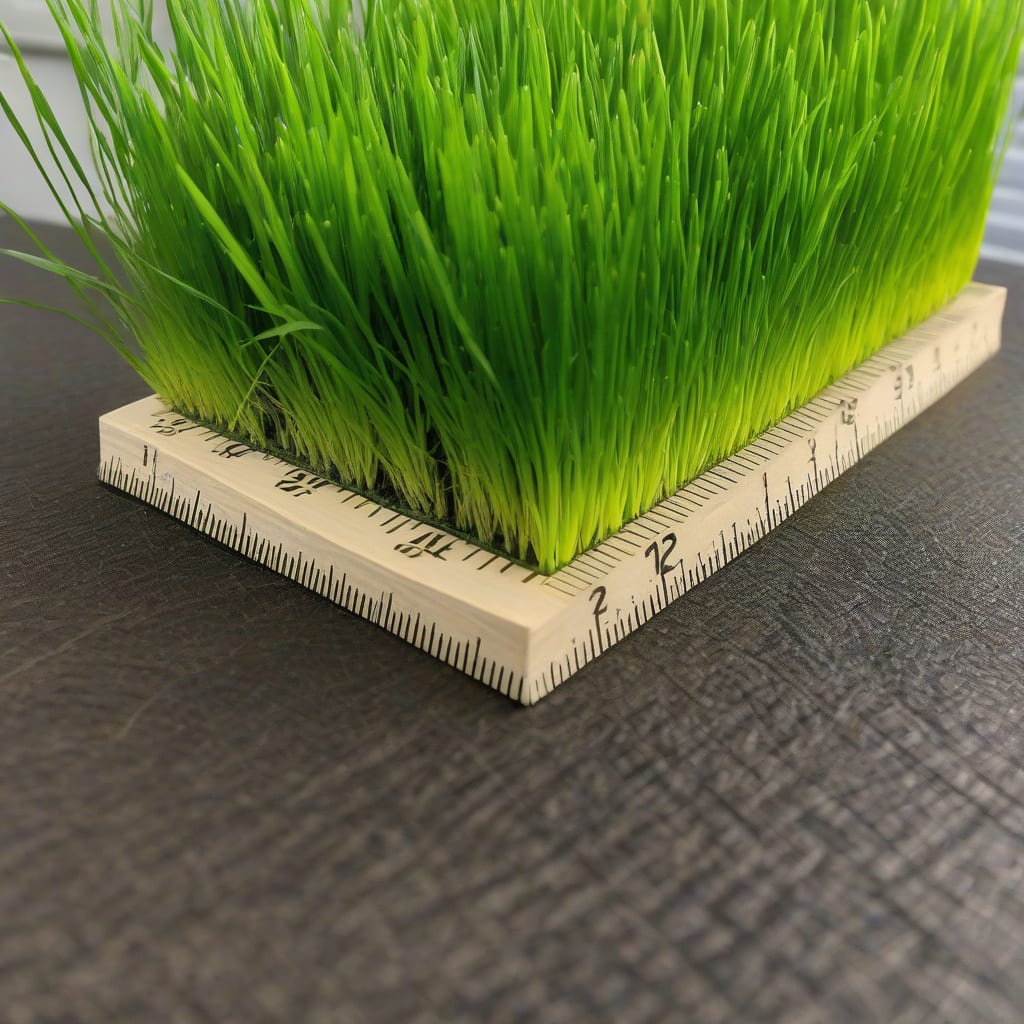
I’ve grown Wheatgrass 🌿 in my home numerous times, and I’m always amazed at how quickly it reaches its full height. Typically, Wheatgrass grows between 6-8 inches tall, ready for harvest in just 7-10 days.
Understanding how tall Wheatgrass can grow helps you plan your harvest and optimize growing conditions in USDA Zone 6. Let’s explore the factors that affect its growth and how to maximize your yield.


Wheatgrass typically grows between 6-8 inches tall, with some varieties reaching up to 12 inches under optimal conditions. The growth pattern of wheatgrass is quite rapid, usually ready for harvest in just 7-10 days after sowing 🌱.
The height that wheatgrass can achieve depends on several factors including soil quality, light exposure, and watering practices. Understanding these factors is crucial for maximizing your wheatgrass yield and ensuring a healthy crop 🌿.
The ideal temperature for wheatgrass growth is between 65-75°F (18-24°C). Temperatures that are too high or too low can affect the growth rate and maximum height of wheatgrass 🌡️.
Soil quality plays a significant role in wheatgrass growth. Using a well-draining potting mix with balanced nutrients can help achieve optimal height 🌱.
Light exposure is another critical factor. Wheatgrass prefers bright, indirect light for optimal growth. Direct sunlight can sometimes be too intense and may cause the wheatgrass to dry out quickly ☀️.
Watering practices should be consistent and appropriate. Wheatgrass needs consistent moisture, especially during the germination phase. Overwatering can lead to mold and poor growth 💧.
By understanding and controlling these factors, you can maximize the height and health of your wheatgrass, ensuring a bountiful harvest 🌼.
Wheatgrass is typically harvested when it reaches 6-8 inches in height, usually around 7-10 days after sowing. Proper harvesting techniques involve cutting the grass just above the soil line using sterile scissors ✂️.
The harvested wheatgrass can be consumed as a fresh juice or added to various recipes for its nutritional benefits. Regular harvesting encourages the wheatgrass to regrow, although the second crop is usually less vigorous 🌿.
To maintain optimal growth, it’s essential to monitor the wheatgrass regularly and adjust the growing conditions as needed. This includes checking for pests, ensuring adequate light, and maintaining proper watering 📏.
By following these guidelines, you can achieve a healthy and productive wheatgrass crop, maximizing both its height and nutritional value 🌟.
To achieve the maximum height of 6-8 inches for wheatgrass, it’s essential to provide optimal growing conditions. This includes maintaining an ideal temperature between 65-75°F (18-24°C), which supports healthy growth 🌡️.
Soil preparation is another critical factor. Using a well-draining potting mix with balanced nutrients helps wheatgrass reach its full potential 🌱.
Sow wheatgrass seeds 1-2 inches deep and 1-2 inches apart to ensure proper growth and air circulation 🌿.
Light exposure significantly impacts wheatgrass growth. Providing bright, indirect light for 4-6 hours daily promotes optimal development ☀️.
Watering practices should be consistent. Wheatgrass requires consistent moisture, especially during the germination phase. Avoid overwatering to prevent mold and poor growth 💧.
Sowing density affects wheatgrass height and health. Sow seeds at the right density to prevent overcrowding, which can lead to weak and spindly growth 🌿.
Maintenance tips include monitoring for pests and ensuring adequate light and proper watering. Regular checks help maintain optimal growing conditions 📏.
By following these guidelines and providing optimal conditions, you can maximize the height and nutritional value of your wheatgrass crop 🌟.
Wheatgrass is typically ready for harvest when it reaches 6-8 inches in height. Proper harvesting involves cutting just above the soil line with sterile scissors ✂️.
The harvested wheatgrass can be consumed as fresh juice or used in various recipes, offering numerous nutritional benefits 🌿.
Growing wheatgrass can be straightforward, but several common mistakes can impact its height and overall health. One of the most significant errors is overwatering, which can lead to mold growth and root rot. Wheatgrass requires consistent moisture, especially during germination, but excessive water can be detrimental 💧.
Avoid overwatering your wheatgrass, as it can cause mold and poor growth. Ensure the soil is moist but not waterlogged ⚠️.
Another common mistake is providing insufficient light. Wheatgrass needs bright, indirect light for optimal growth. Without adequate light, the grass may become weak and spindly ☀️.
Poor soil quality can also affect wheatgrass height. Using a well-draining potting mix with balanced nutrients is crucial for healthy growth 🌱.
Inconsistent temperature can impact wheatgrass growth. Maintaining a temperature between 65-75°F (18-24°C) is ideal for maximizing height and health 🌡️.
To avoid these common pitfalls, ensure you provide your wheatgrass with the right conditions. Monitor your plants regularly and adjust your care routine as needed to achieve the best results 🌿.
By understanding and avoiding these common mistakes, you can grow healthy, robust wheatgrass that reaches its full potential height of 6-8 inches 🌼.
